
The Espresso Riviera Rome – Marseille: a Vintage Train You Absolutely Must Experience
Reliving the Grand European Express Trains of Yesteryear: the Promise of Treni Turistici Italiani (TTI)
Who hasn't dreamed of reliving the grand European express trains that crisscrossed Europe until the 1980s? That's what I was able to do thanks to Treni Turistici Italiani (TTI), a very recent subsidiary of the Ferrovie dello Stato group, which also owns the Italian railway company Trenitalia.
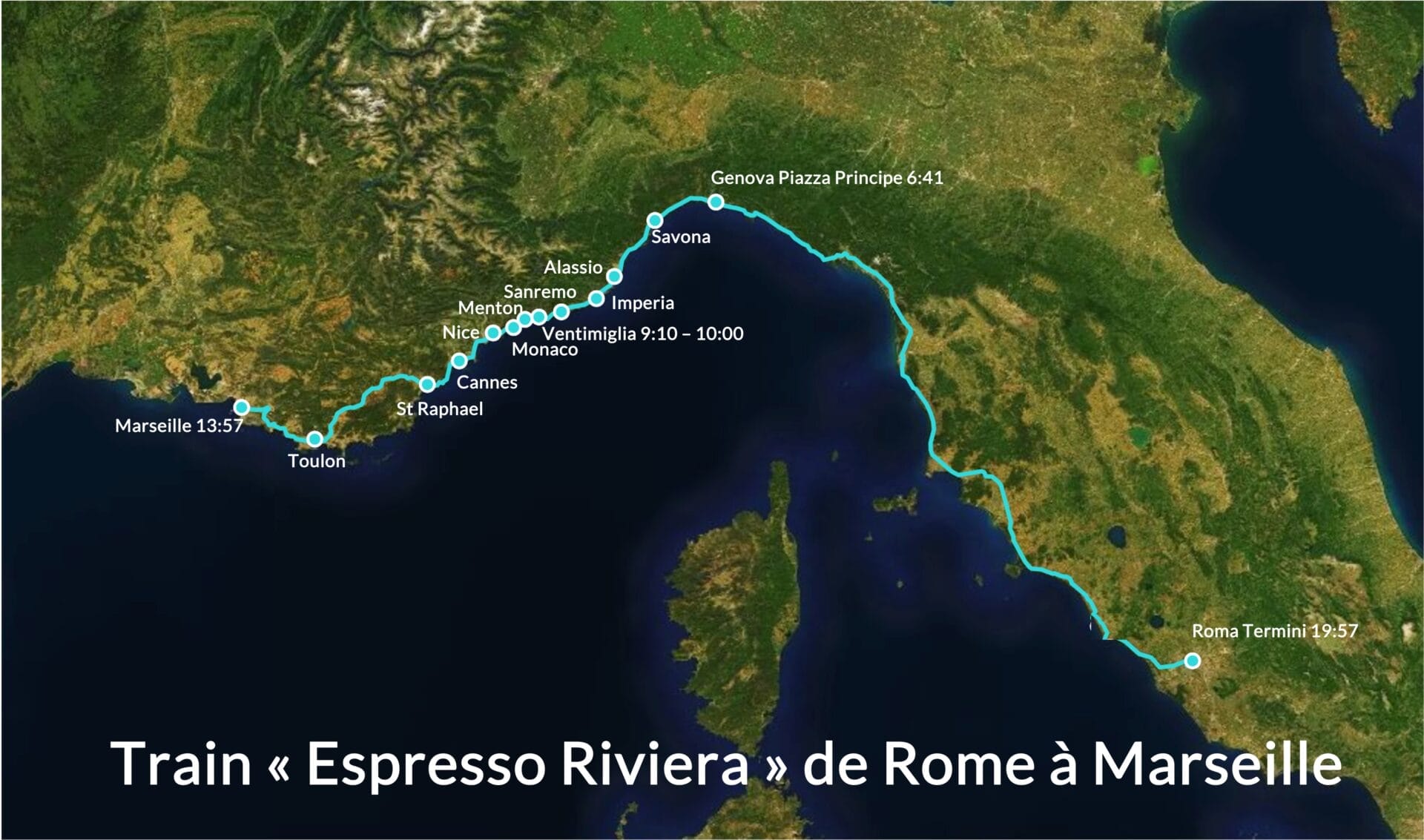
I traveled from Genoa to Marseille aboard the Espresso Riviera, a train offering all the comfort of the grand European express trains of yesteryear: sleeper cars, lounge cars, a restaurant car, and high-level service with attentive staff.
I was thrilled by this exceptional vintage train!
Following in the Footsteps of the TEE Ligure: from Genoa — Marseille Aboard the Espresso Riviera
In July 2025, I traveled from Paris to Sicily by combining train and ferry. On the way back, after disembarking in Palermo, I made a stop in Genoa, which allowed me to connect with the Espresso Riviera: a day train from Genoa to Marseille, before taking a TGV back home to Paris.
The Espresso Riviera runs every weekend in the summer of 2025. It consists of sleeper cars and couchette cars providing the Rome–Marseille connection, but it's also possible to travel in seated accommodation between Genoa and Marseille. On this section, it is inspired by the luxurious Trans-Europ-Express (the famous TEEs) that crisscrossed Europe until the 1980s.
My ferry arrived late afternoon the day before my train departure. The next day, my train was early, and since I wanted to make the most of it, I went to bed early in a hostel located on Piazza Principe, right in front of the station: I could get up just a few minutes before the train's 6:41 AM departure.
I take advantage of the evening to stroll through the old town, which I had already had the chance to explore a few years earlier during a trip from Paris to Rome, recounted in an article: “Paris-Rome by train: in the footsteps of the Palatino” I’m dining in a trattoria, savoring gnocchi alla Genovese, the local specialty.
Genova Piazza Principe — 6:30 AM: but where is My Train ?
In the early morning, still a bit sleepy, I crossed the square dominated by the statue of Genoa's most famous historical figure: Christopher Columbus!
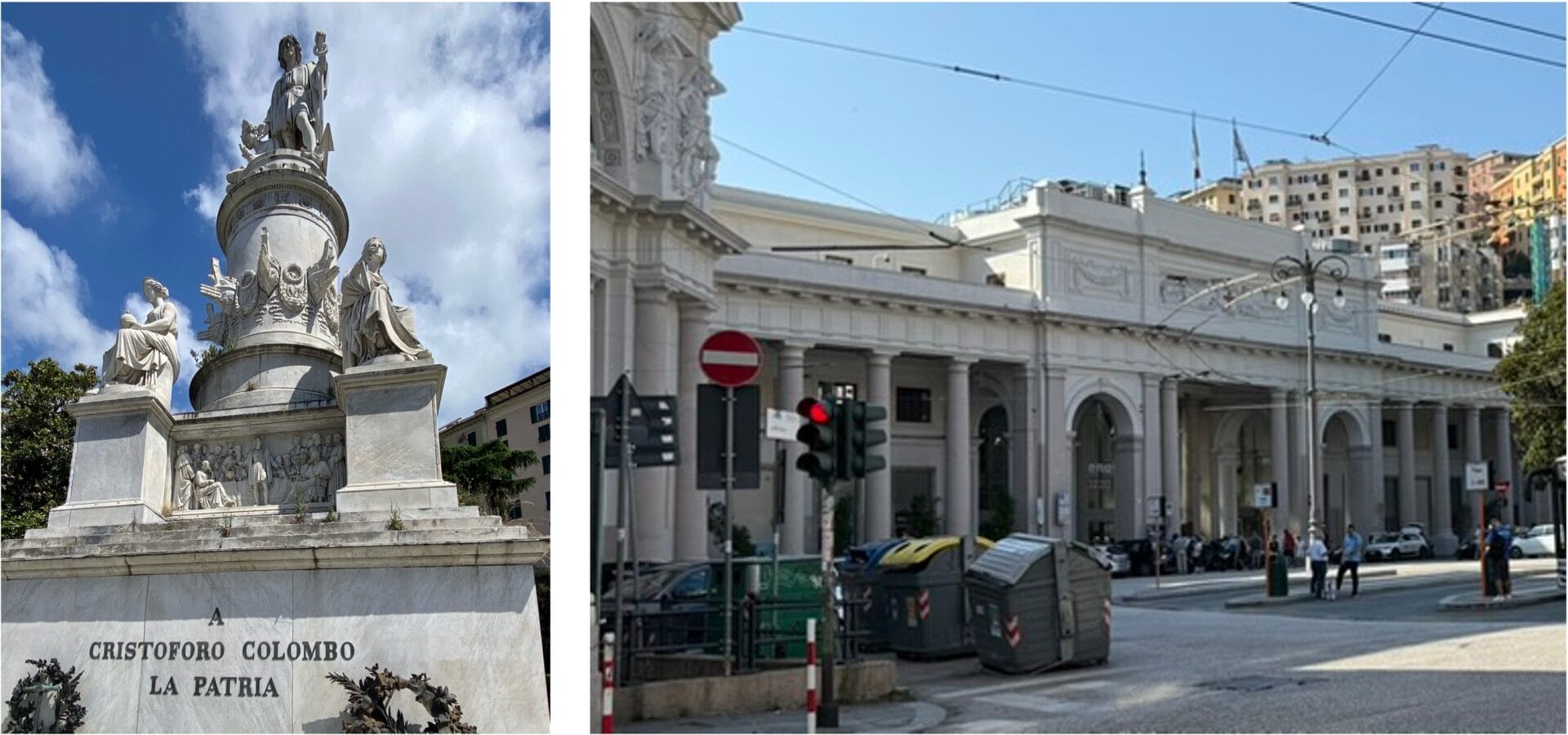
Entering the station, surprise: my train wasn't displayed! I looked for a Trenitalia employee, but couldn't find anyone... At 6:40 AM, just one minute before the theoretical departure, the board updated: my train to Marseille was announced with a 15-minute delay on track 11. In reality, there had been a mix-up between the origin (Roma) and the destination (Marsiglia). TTI doesn't seem fully integrated into the Trenitalia system yet!
Given Genoa's very rugged geography, the station is literally nestled between two hills, with tunnels on either side.
6:55 AM: My train slowly entered the station after its overnight journey from Rome.
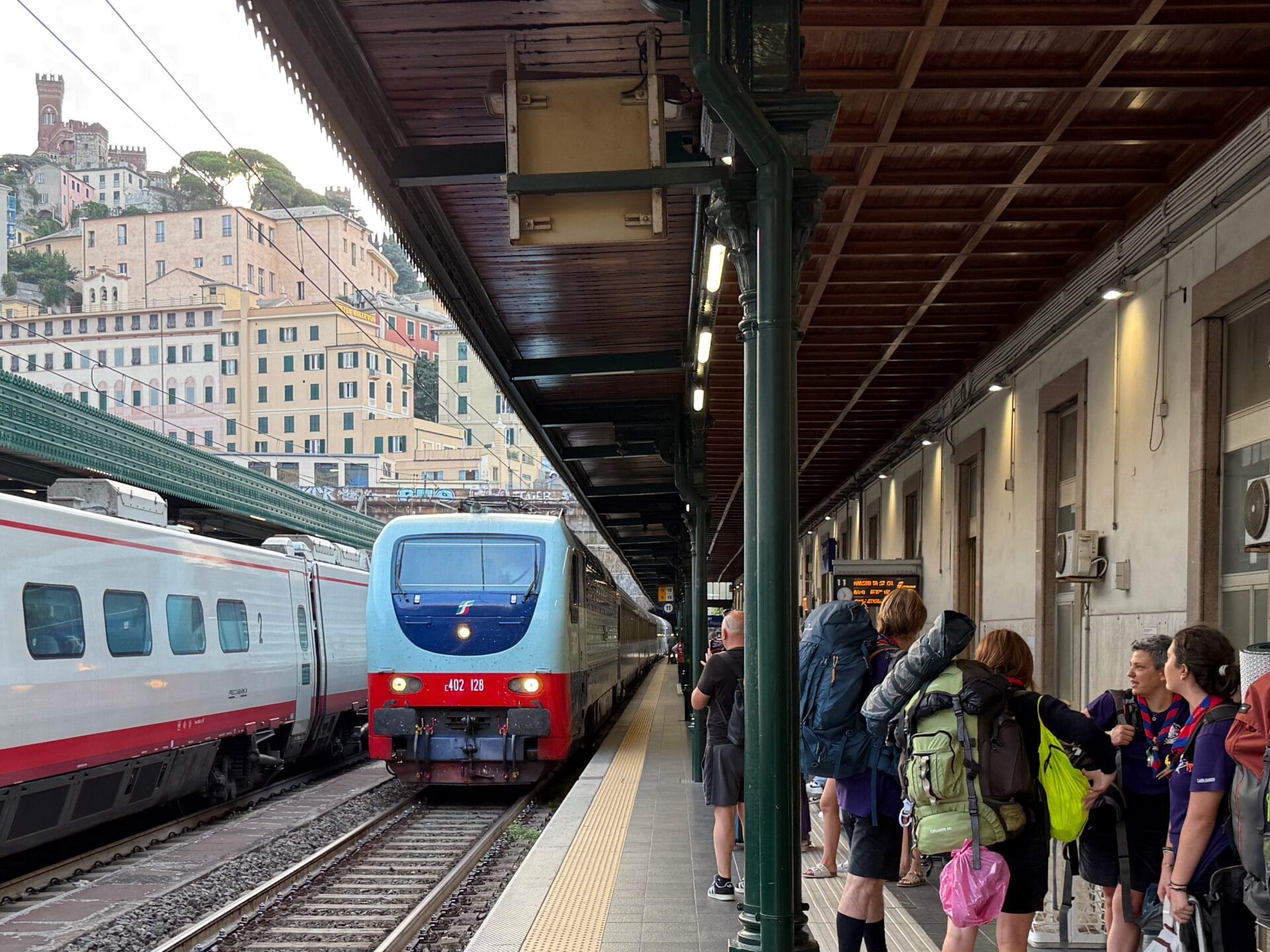
Its blue livery is superb and, above all, immaculate. The windows are perfectly transparent, a crucial detail, as I know the journey to Marseille is one of the most beautiful in Europe. I'll be able to take photos, which is essential for a blogger.
Travel in " Salottini " Class, a Worthy Successor to the Luxurious TEEs of Yesteryear
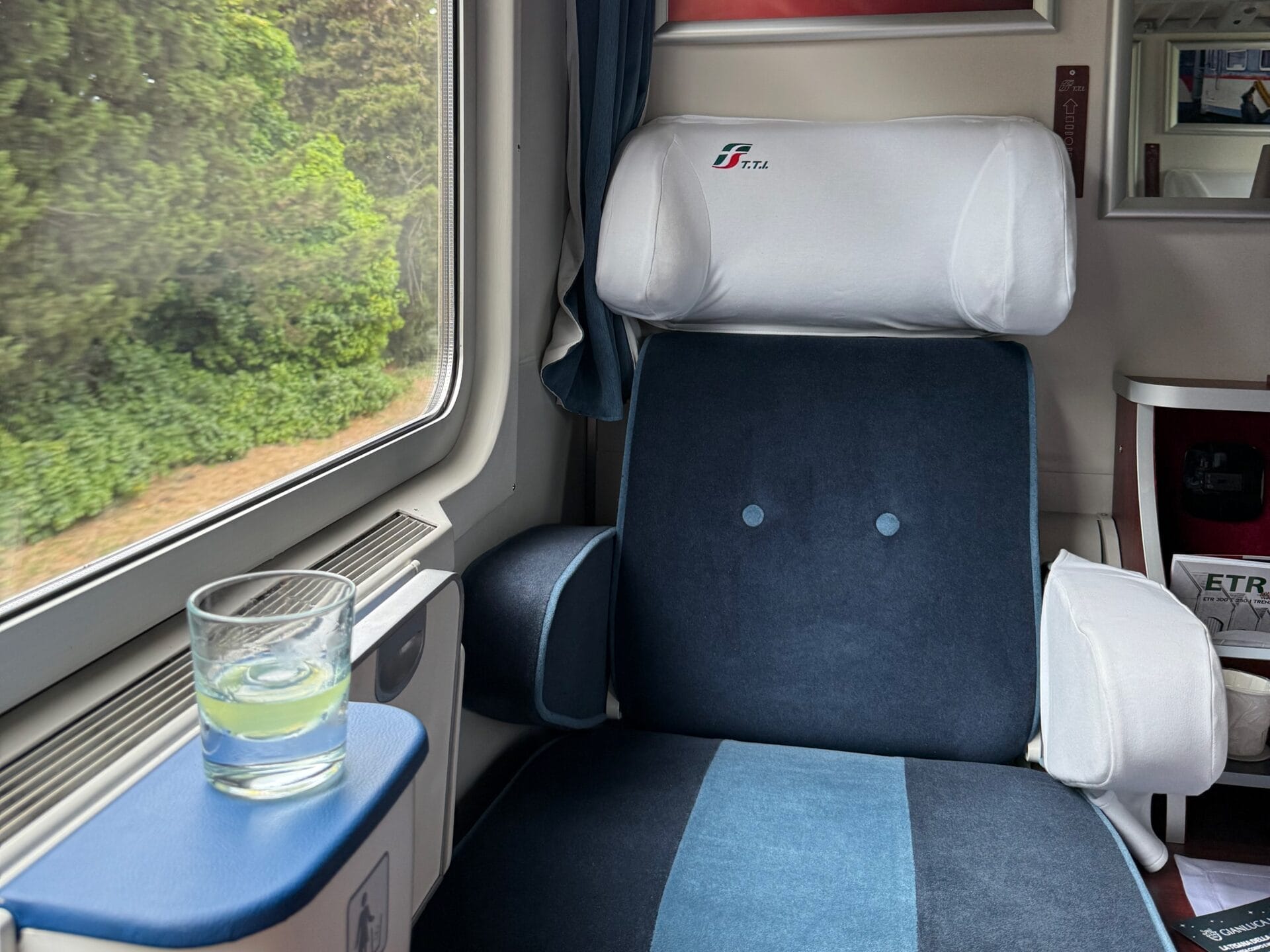
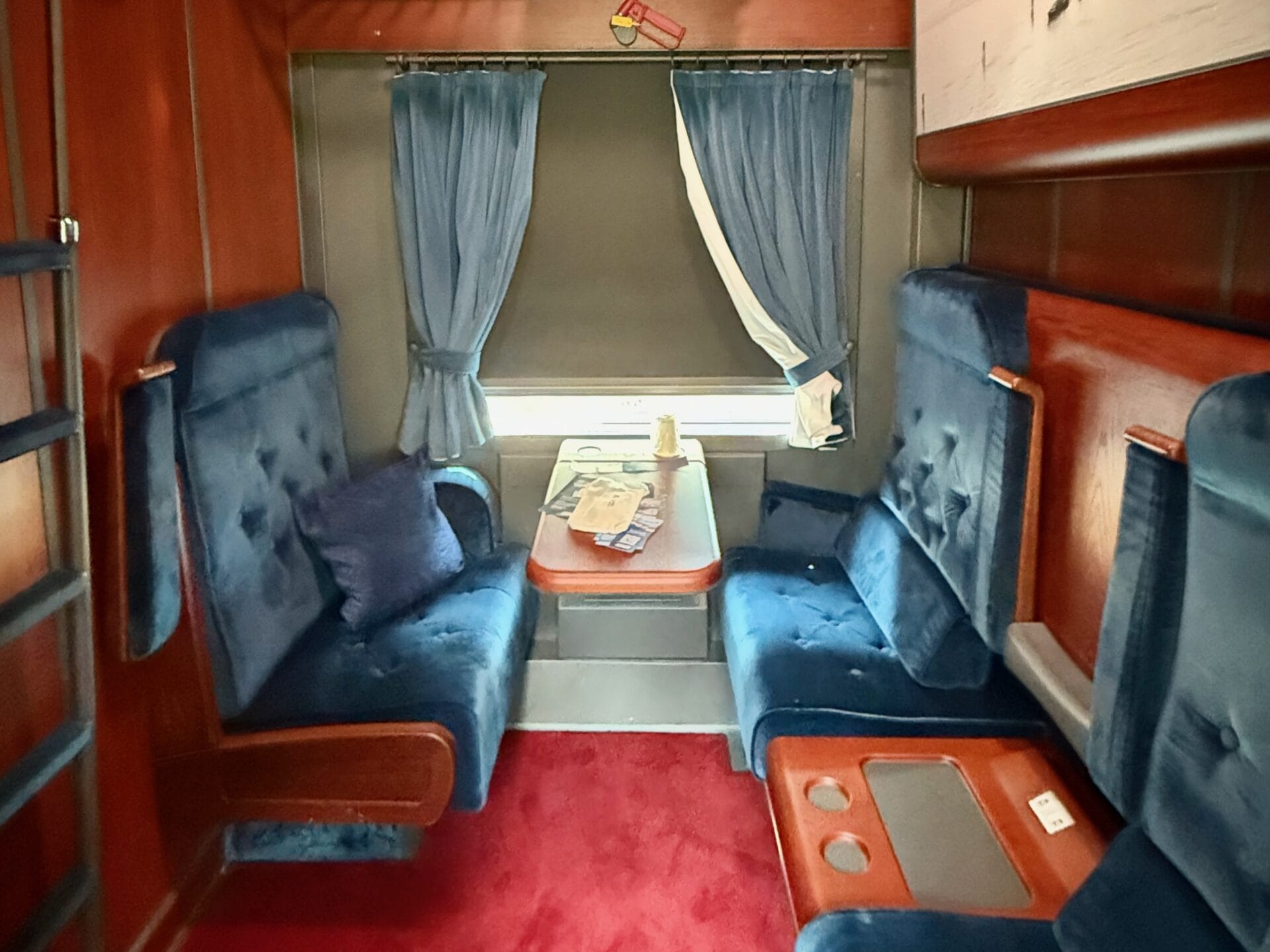
I booked my trip in "Salottini" class, TTI's best offering on its day trains. I felt privileged in a private compartment with four large, plush armchairs all to myself!
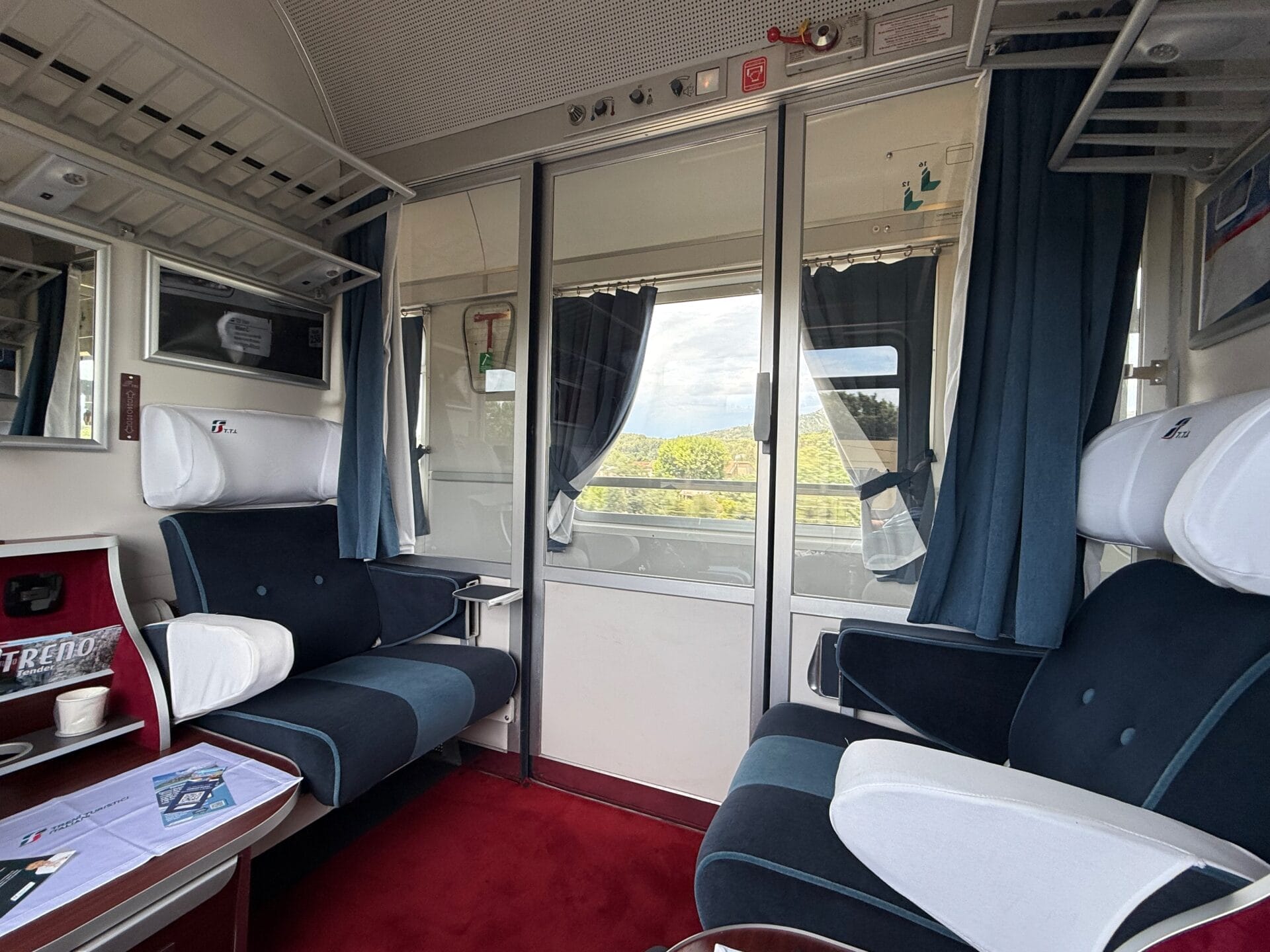
Great care has been taken with the decor. The deep red of the thick carpet harmonizes perfectly with the plush dark blue velvet armchairs and their white headrests.
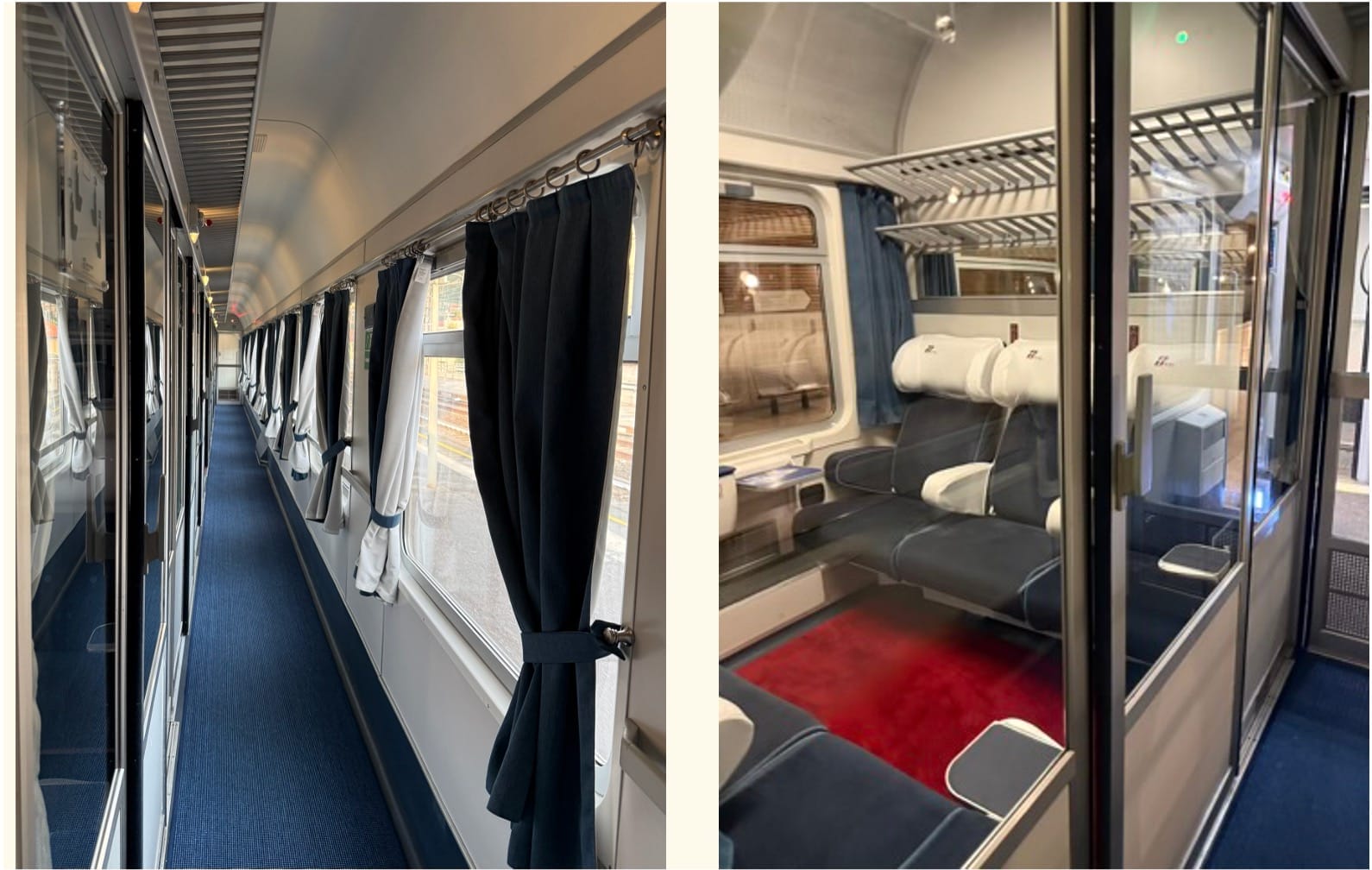
My compartment is separated from the corridor by a generously glazed partition that lets in light. If I want more privacy, I can close thick velvet curtains as well.
Railway magazines and water bottles are provided. "Salottini" means "Lounge," which is perfectly appropriate.
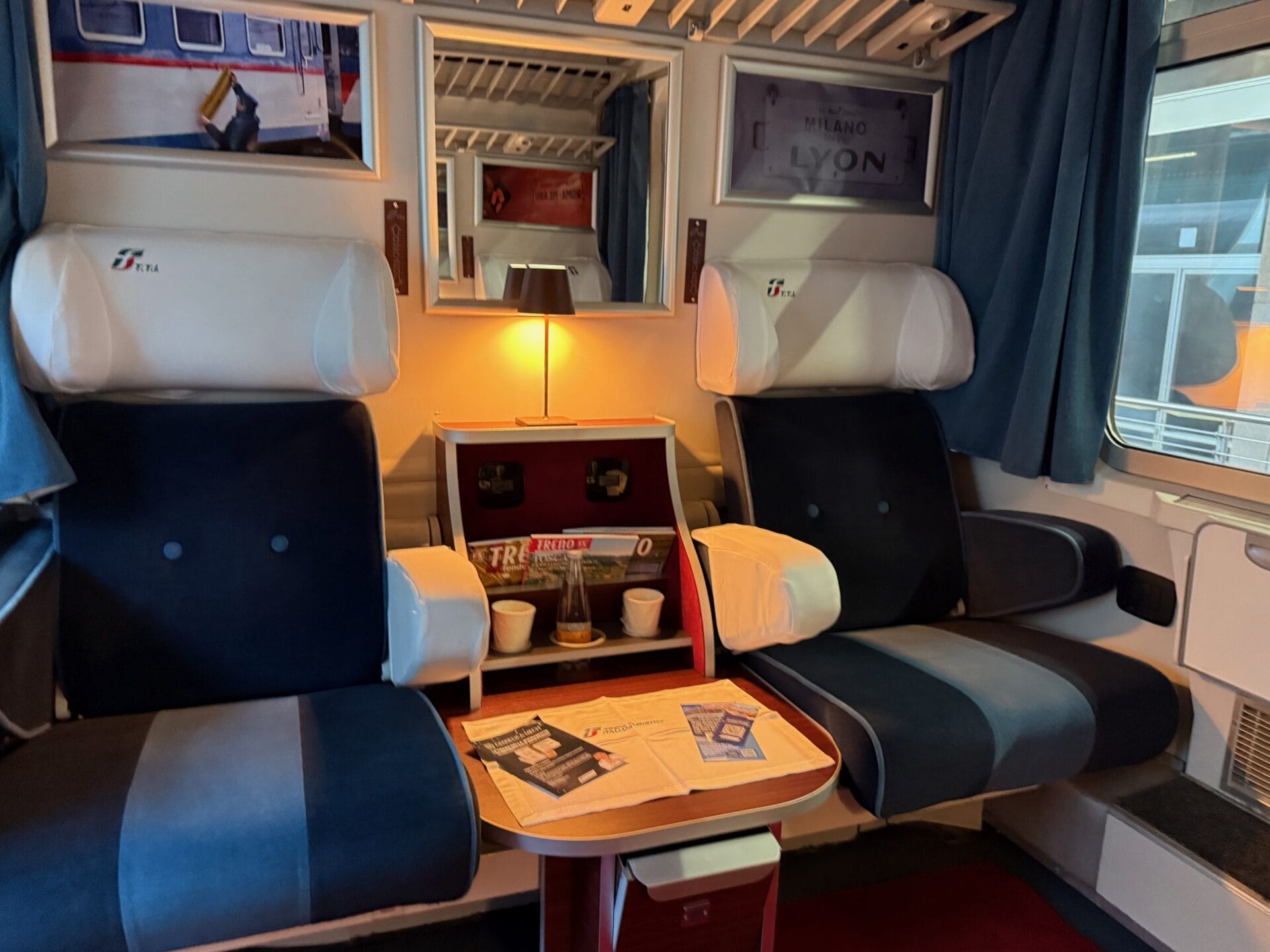
I didn't experience the golden age of the Trans Europ Express (TEE), those luxury trains that crisscrossed Europe in the 1960s and 1970s, composed solely of first-class cars with a restaurant car.
One of them, the TEE Ligure, connected Milan to Marseille via Genoa and Nice. My train seems to be its worthy heir.
Many historical photos are displayed on the train.

Aboard the Espresso Riviera, I could also have traveled in first or second class. In both cases, these are compartments with two rows of three facing seats. The difference lies in the legroom, which is more generous in first class.

One detail I really appreciate is the corridor. It's the place where you can chat with other travelers or simply daydream while leaning at the window, watching the scenery.
From Genoa to Ventimiglia: the Line Commissioned by Cavour
The Genoa to Ventimiglia line dates back to 1872. It was Camillo Cavour, an Italian politician, who wanted its construction to strengthen Italy's unity. At this point on the Mediterranean, the coast is very steep, and to avoid the proliferation of tunnels, the track was laid following the coast in a winding manner and was only single-track.
Since then, many sections have become double-track. Some were moved inland, as the space between the sea and the dwellings did not allow for a second track. However, even in 2025, there are still single-track sections.
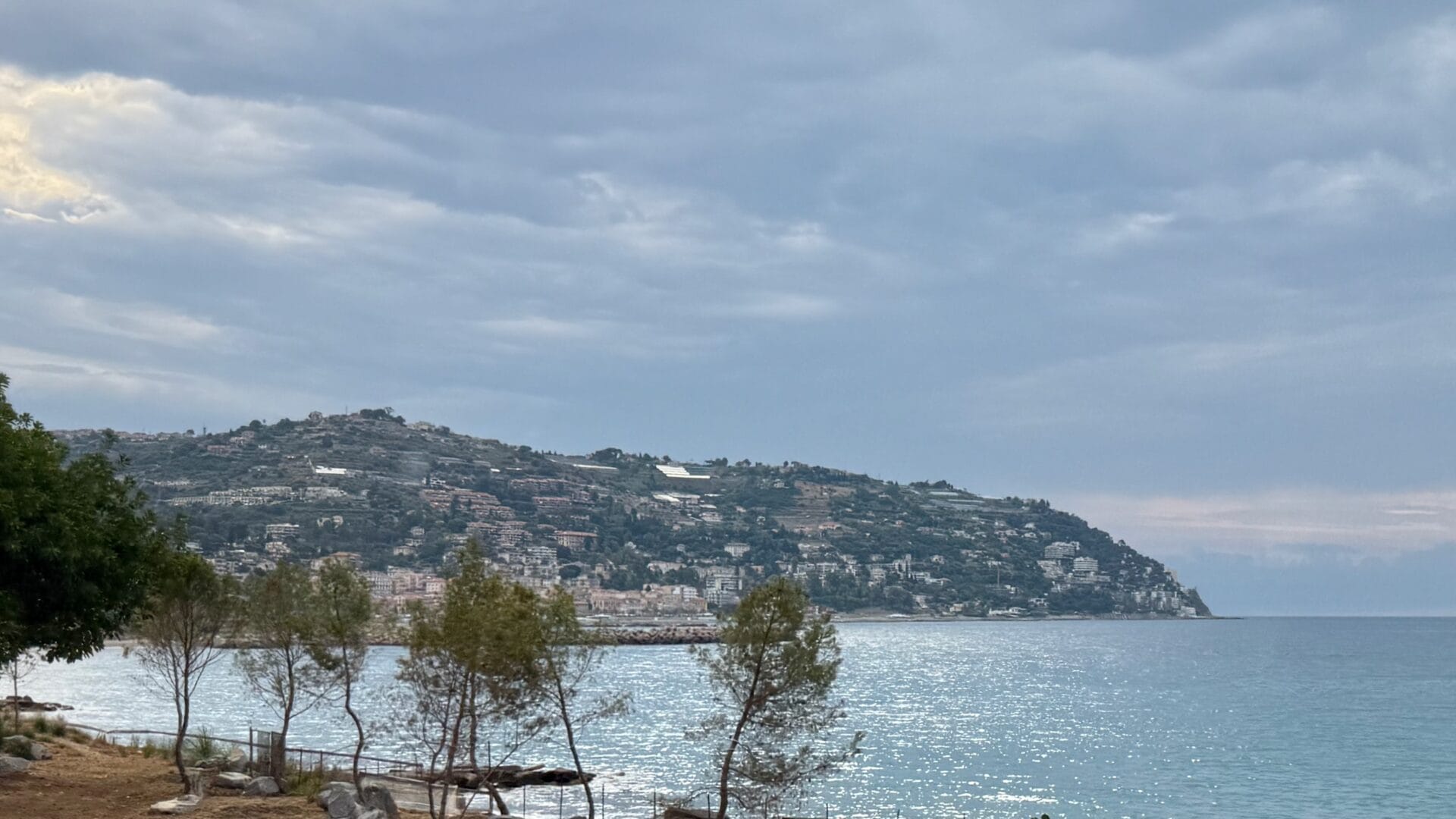
The weather is stormy and the clouds are heavy. Several times, we ran along the sea almost on the beach.
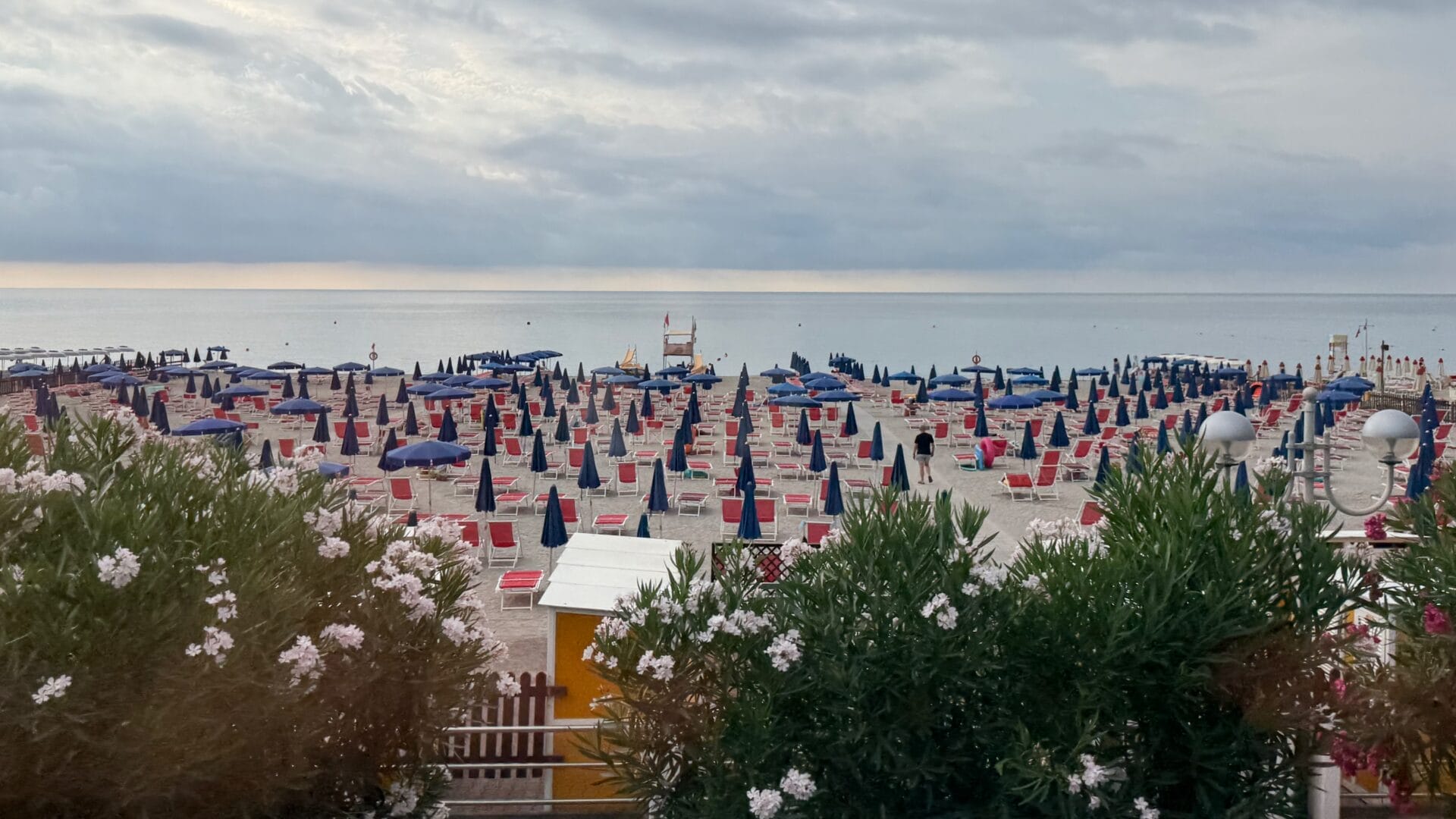
As often in Italy, these beaches are subject to concessions: free access is rare and, most of the time, you have to rent a chair and an umbrella to enjoy the sea.
We arrived in Ventimiglia, a border town with France, at 9:10 AM. We had caught up on our delay, and the rest of the journey would be on time. The stop is scheduled for 50 minutes to change locomotives. We were invited to get off onto the platform and observe the maneuvers. I noticed a few locomotive enthusiasts snapping away with their cameras!

On this occasion, I learned that in Italy, trains are often operated with two locomotives, one at the front and one at the rear. In France, only one locomotive is used at the front. The reason lies in the specific characteristics of the Italian network: numerous terminal stations requiring changes of direction, long single-track sections, tight curves, steep ramps, and narrow tunnels. Under these conditions, two locomotives were considered safer.
From Ventimiglia to Nice: where Italy Meets France
Our train departed at 10 AM, now controlled by an SNCF agent. This section is simply exceptional. We ran along the sea on the mountainside, with spectacular panoramas of the French Riviera. When I worked in sleeper cars in the 1980s, I already loved this route.
Upon leaving Ventimiglia, the upper town reveals itself, dominated by the Roya River.
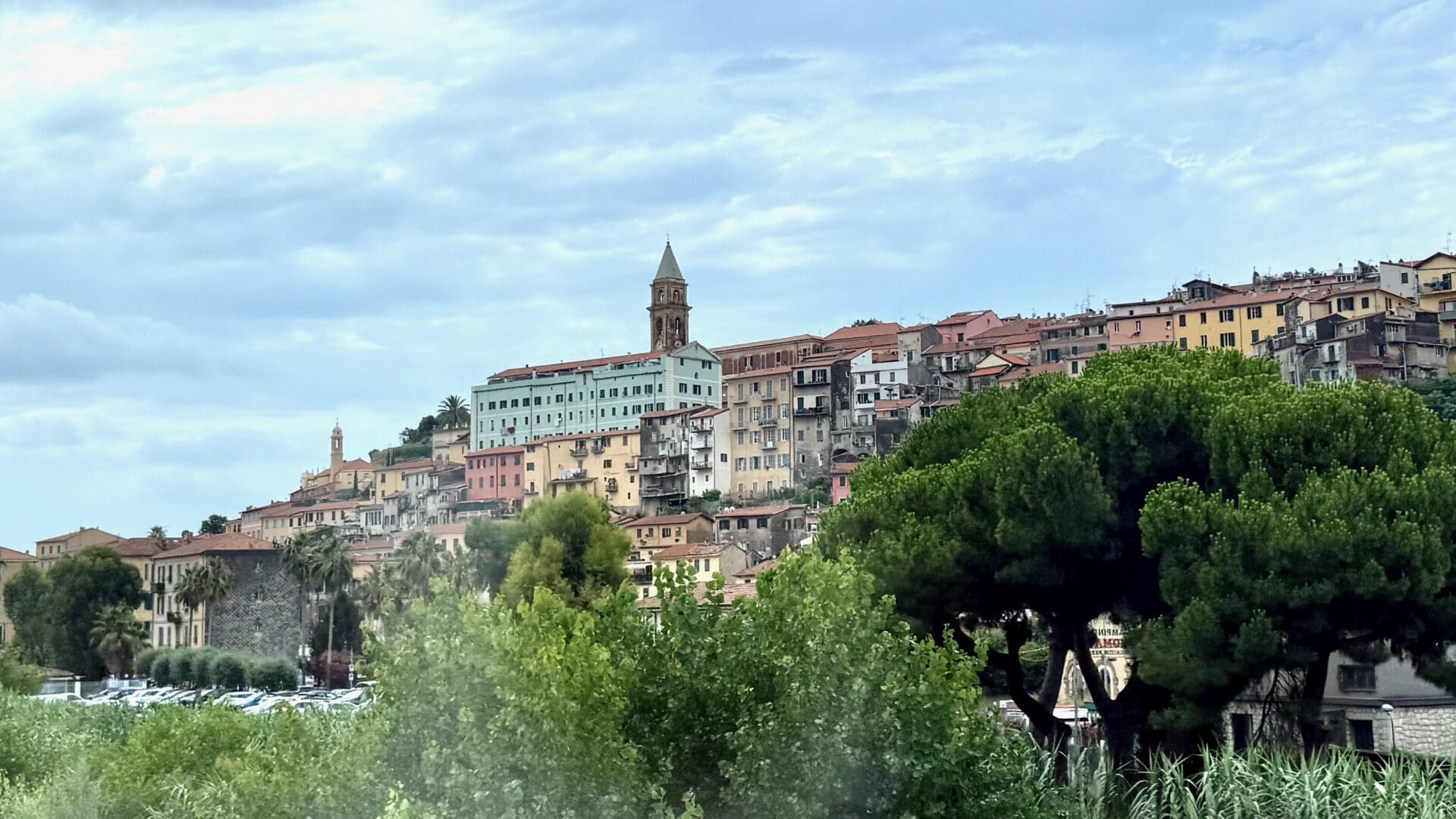
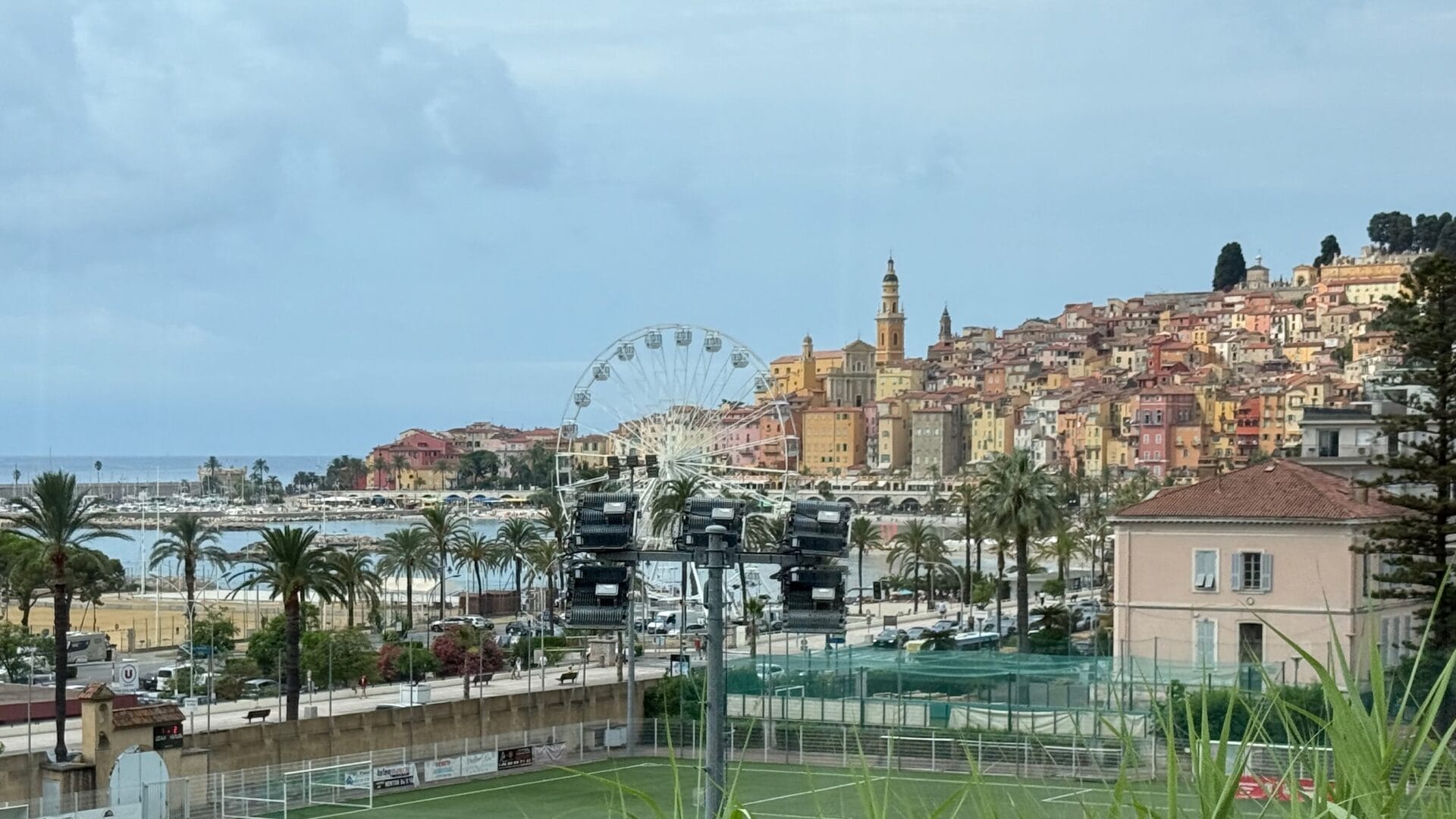
On the French side, Menton appears, renowned for its mild climate (300 days of sunshine per year) and its lemon trees.
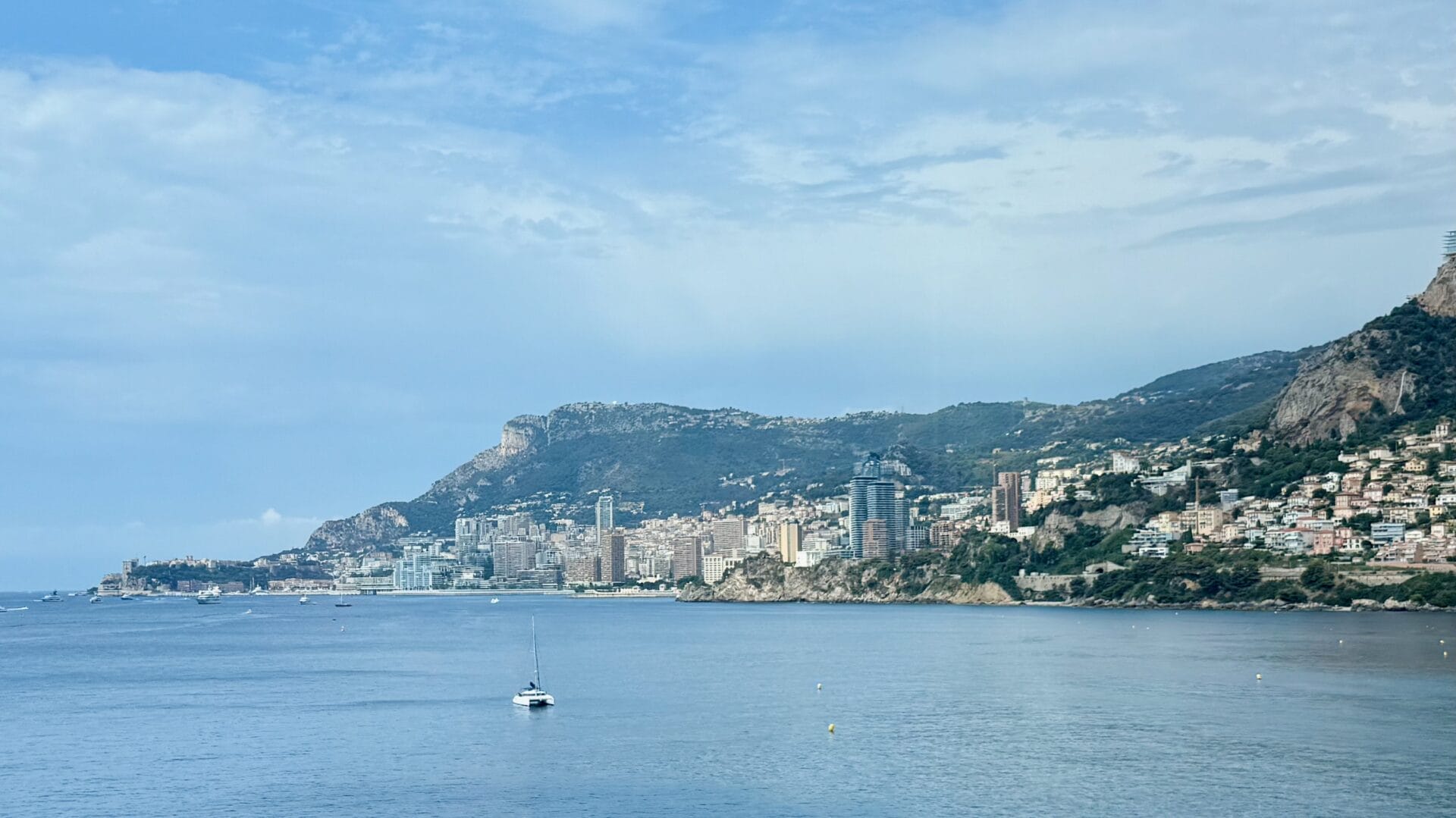
Then comes Monaco, whose concrete waterfront and skyscrapers abruptly assert themselves. The princely Rock, at its tip, appears almost modest.
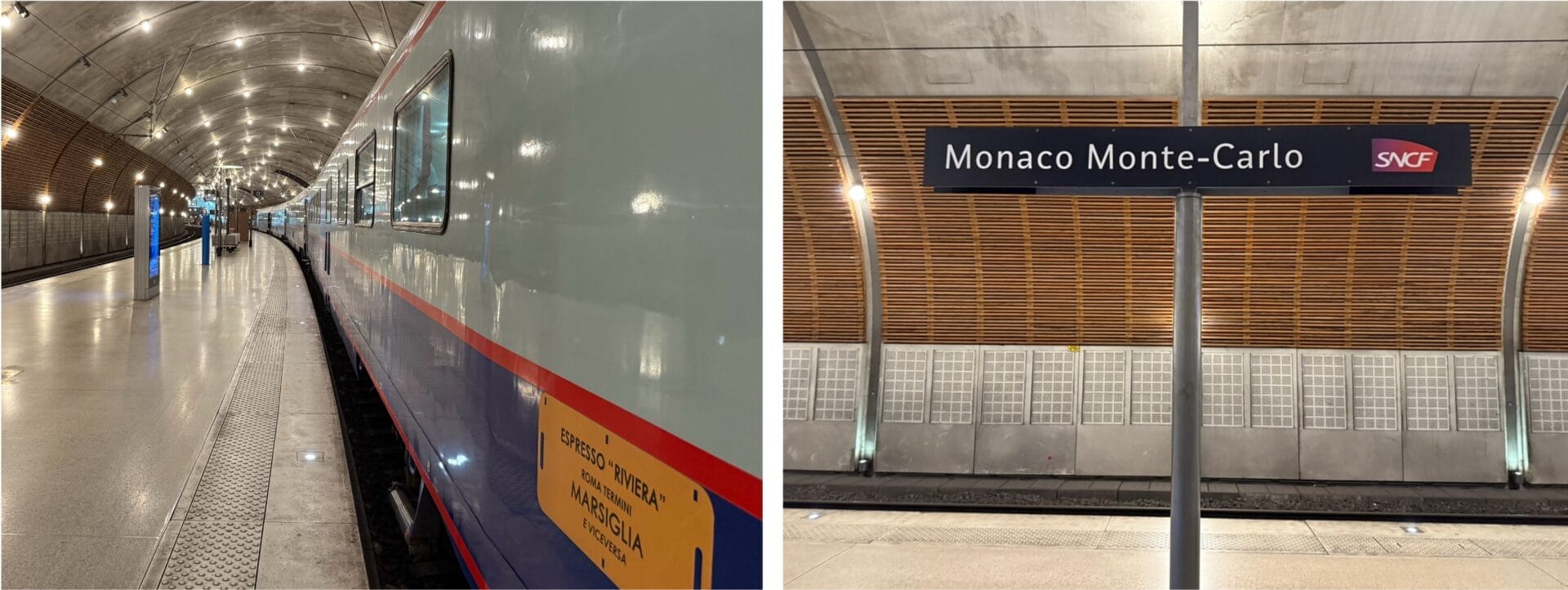
We passed through the long Sainte-Dévote tunnel, patron saint of Monaco. At its heart, we stopped at the principality's ultra-modern station, sober and elegant.
Our train then overlooked the sea, fifty meters higher, alternating between viaducts and tunnels. At the end of the 19th century, this construction was a technical feat. Below, I fleetingly caught sight of a few beaches in tiny coves.
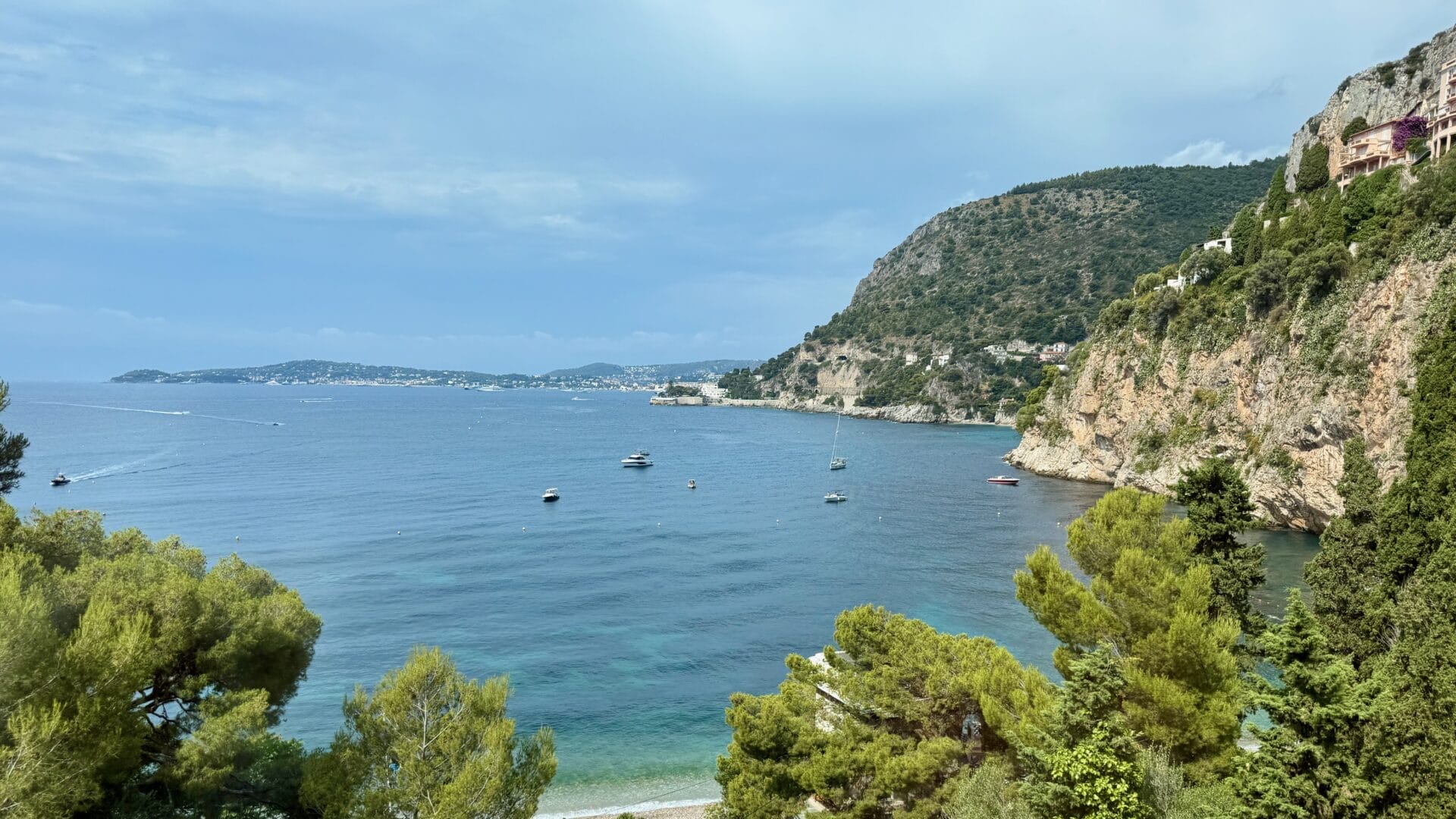
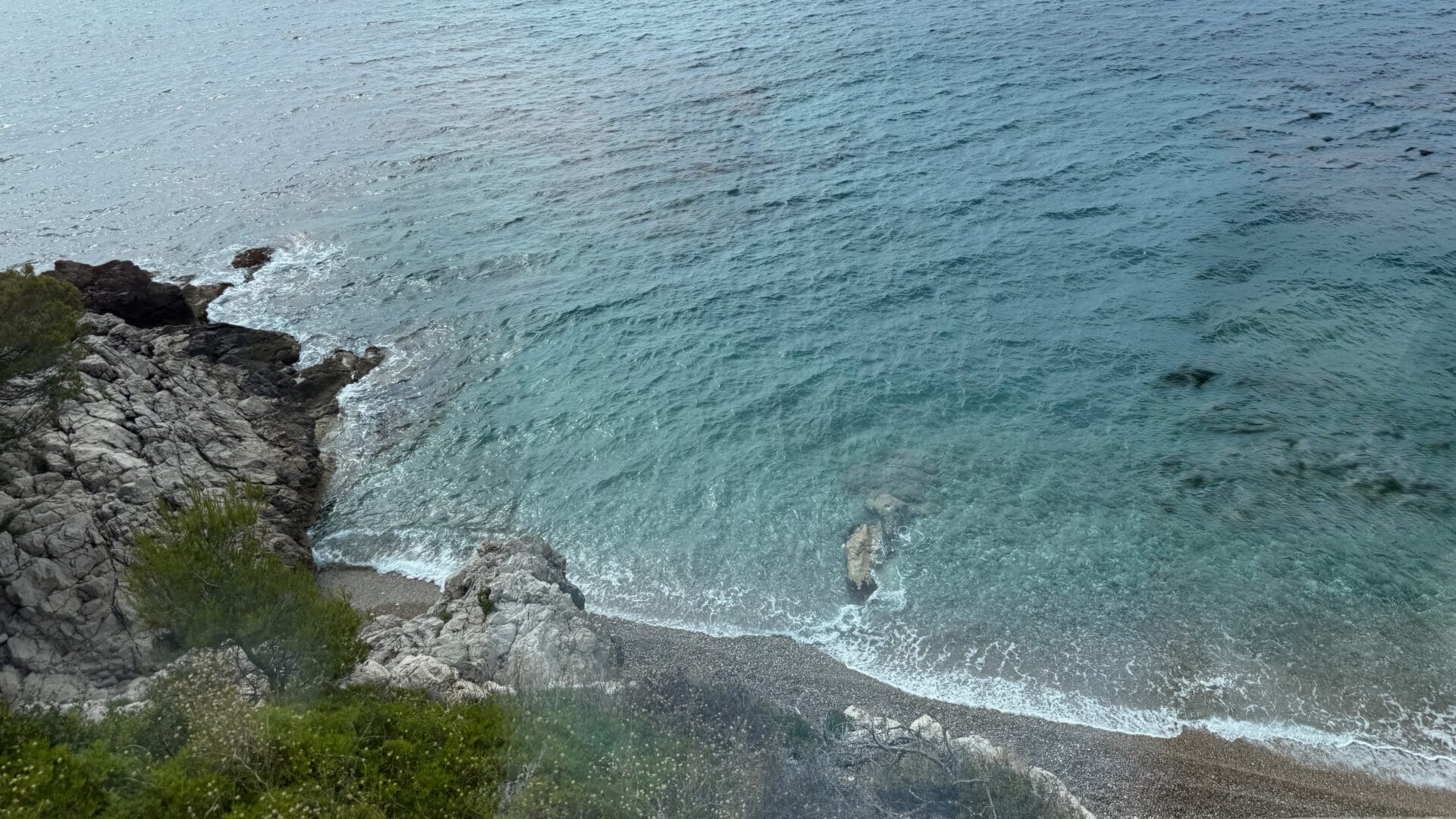
Sumptuous villas appeared, as did stations with evocative names: Cap d’Ail, Èze-sur-Mer, Beaulieu-sur-Mer, or Villefranche-sur-Mer with its splendid bay. We traveled at a leisurely pace, ideal for contemplating the scenery. My only regret: the weather remained stormy and the light lacked its usual brilliance.
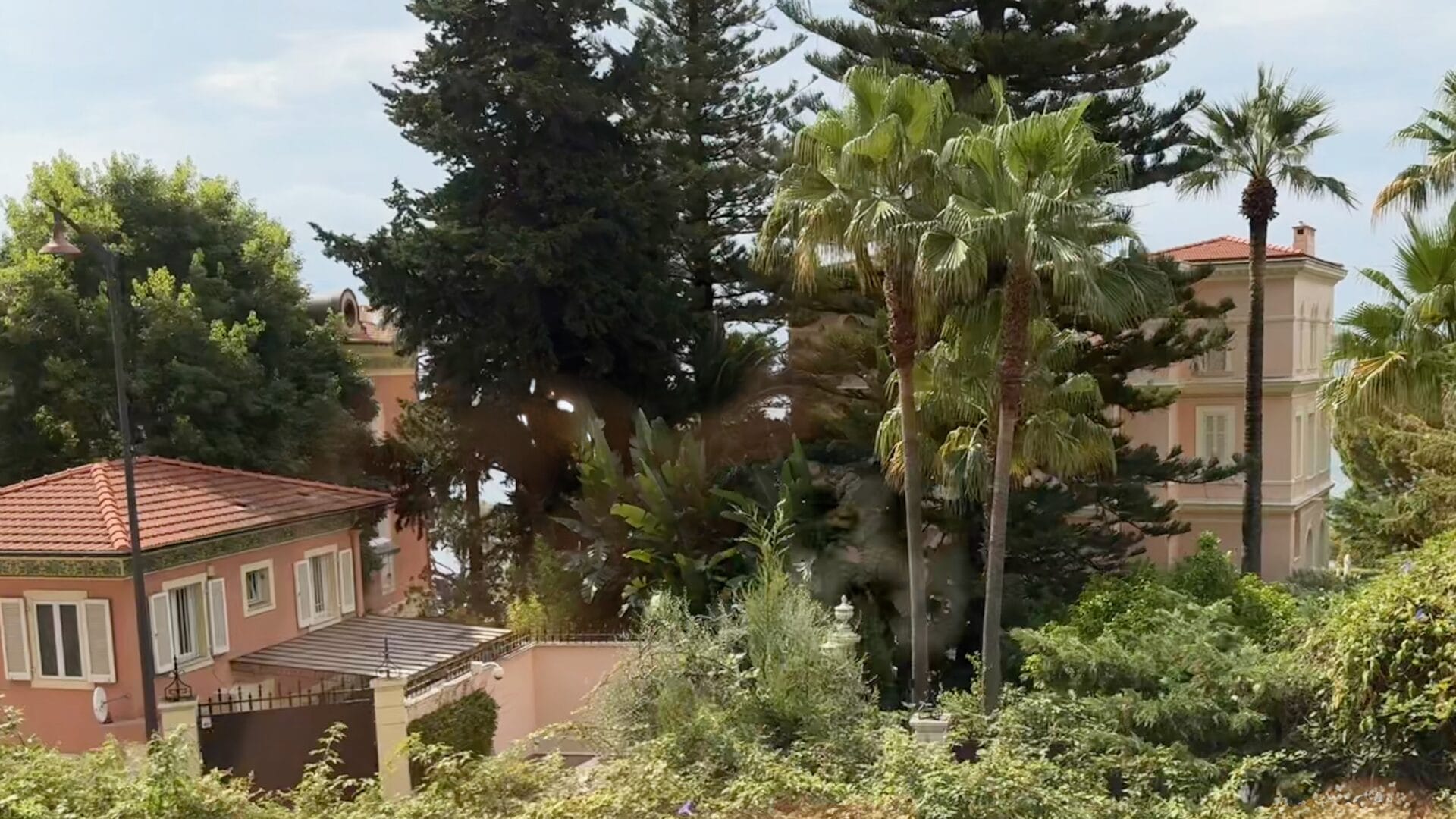
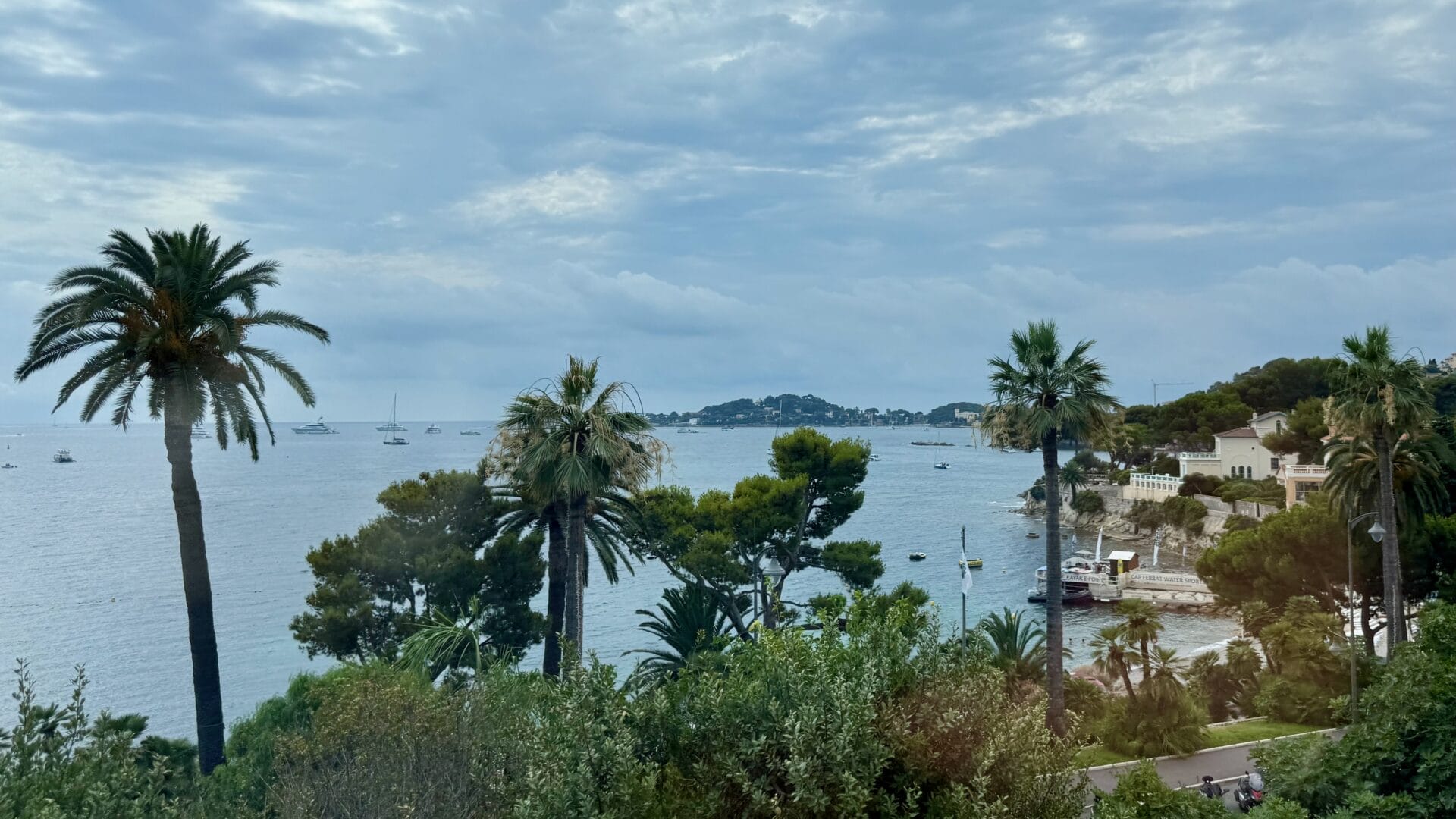
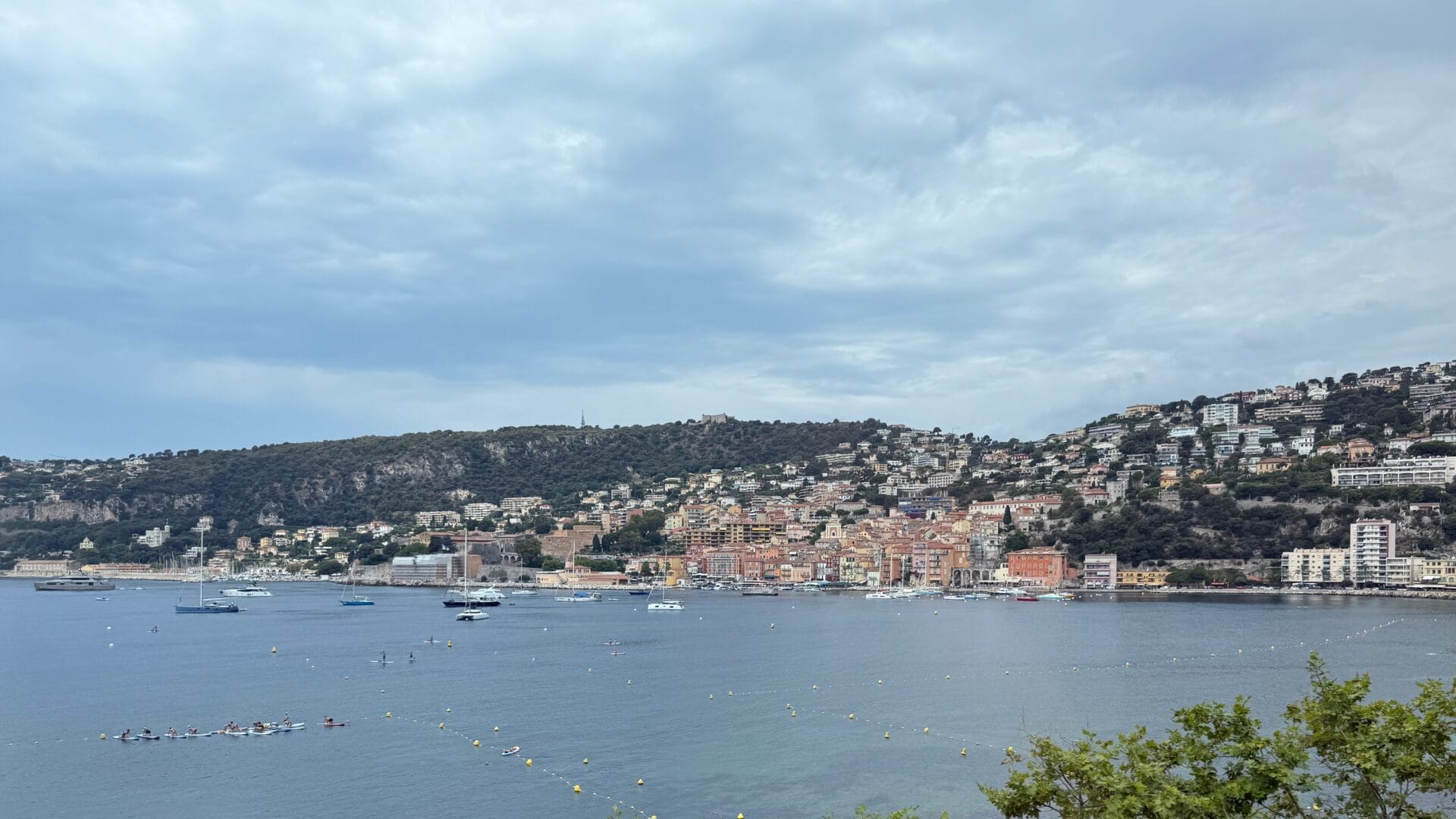
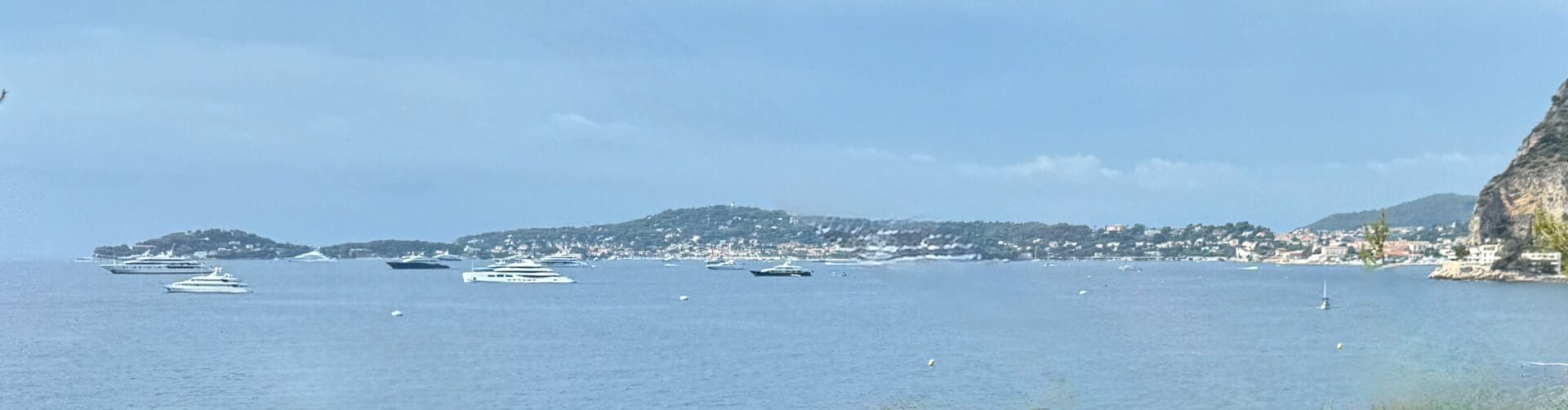
All the way to Nice, I counted a multitude of yachts: the world of the super-rich is thriving!
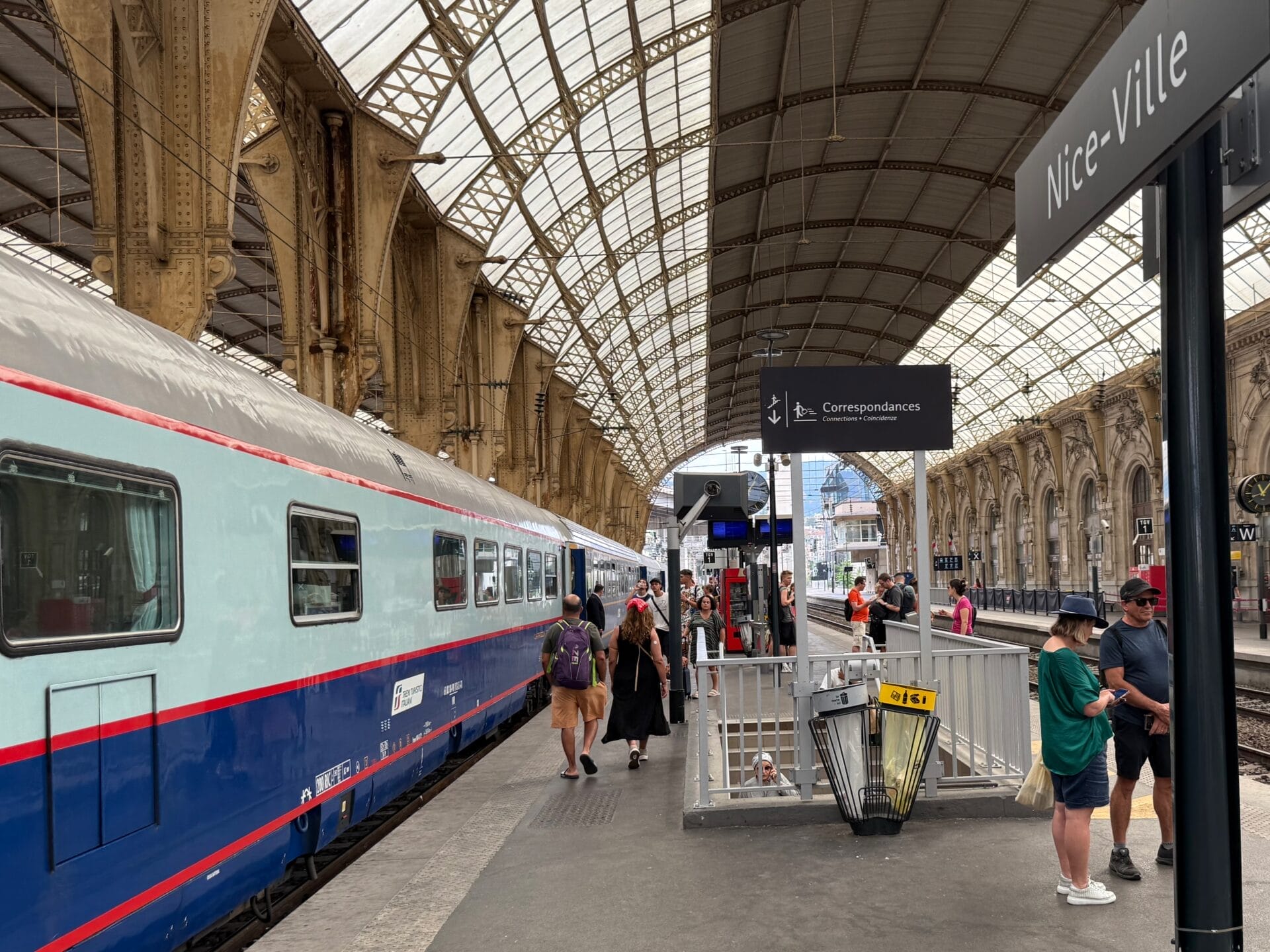
11:07 AM: Stop at Nice-Ville. On the platform, many travelers enviously admired our superb train. They would have to settle for a common regional train, because beyond Ventimiglia, the Espresso Riviera no longer takes passengers.
Enjoyable Moments in the Restaurant Car
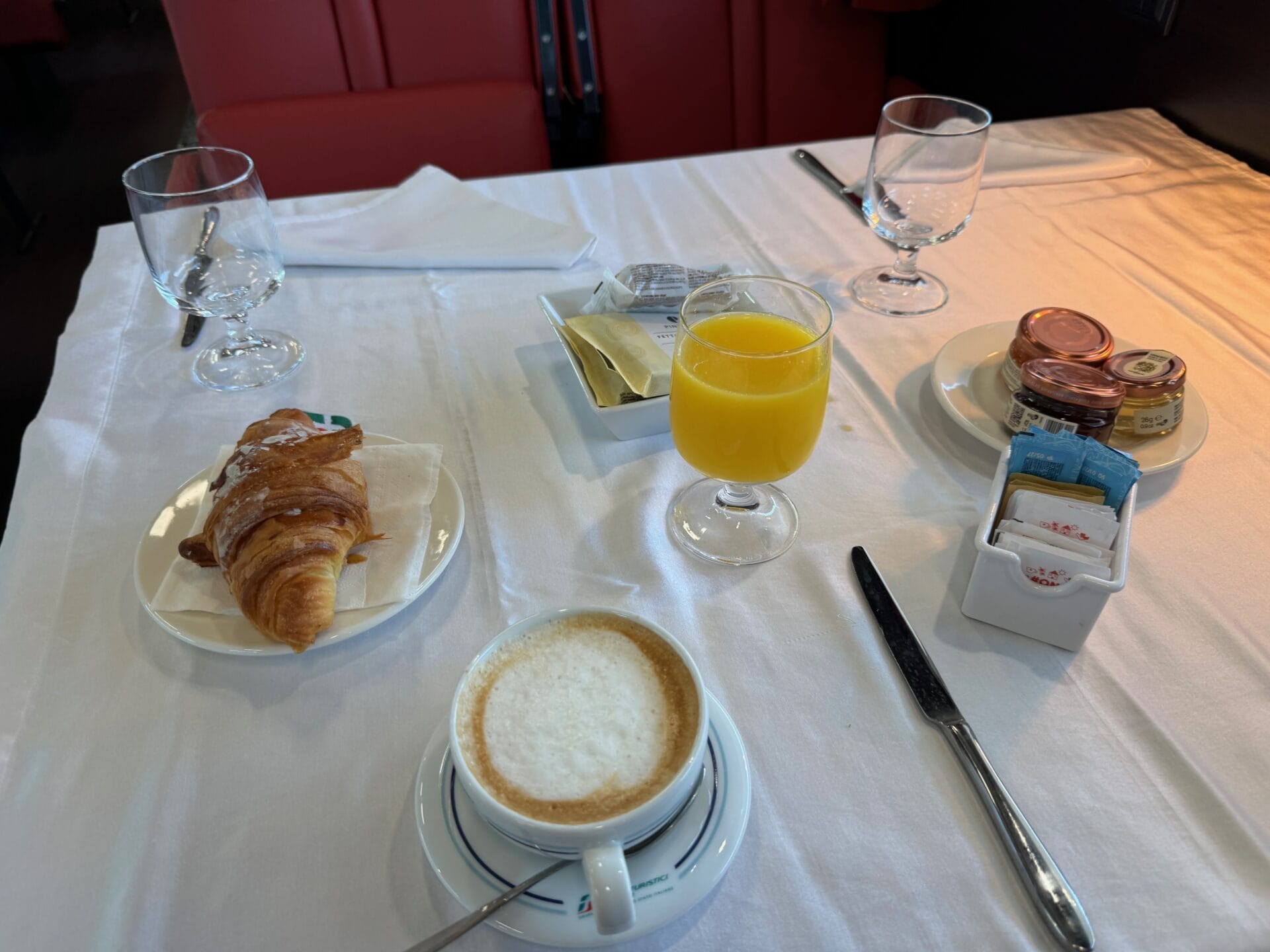
The restaurant and bar car is in the middle of the train set. After departing Genoa, I had breakfast there. Now it was aperitif time, and I naturally ordered an Aperol Spritz at the bar.
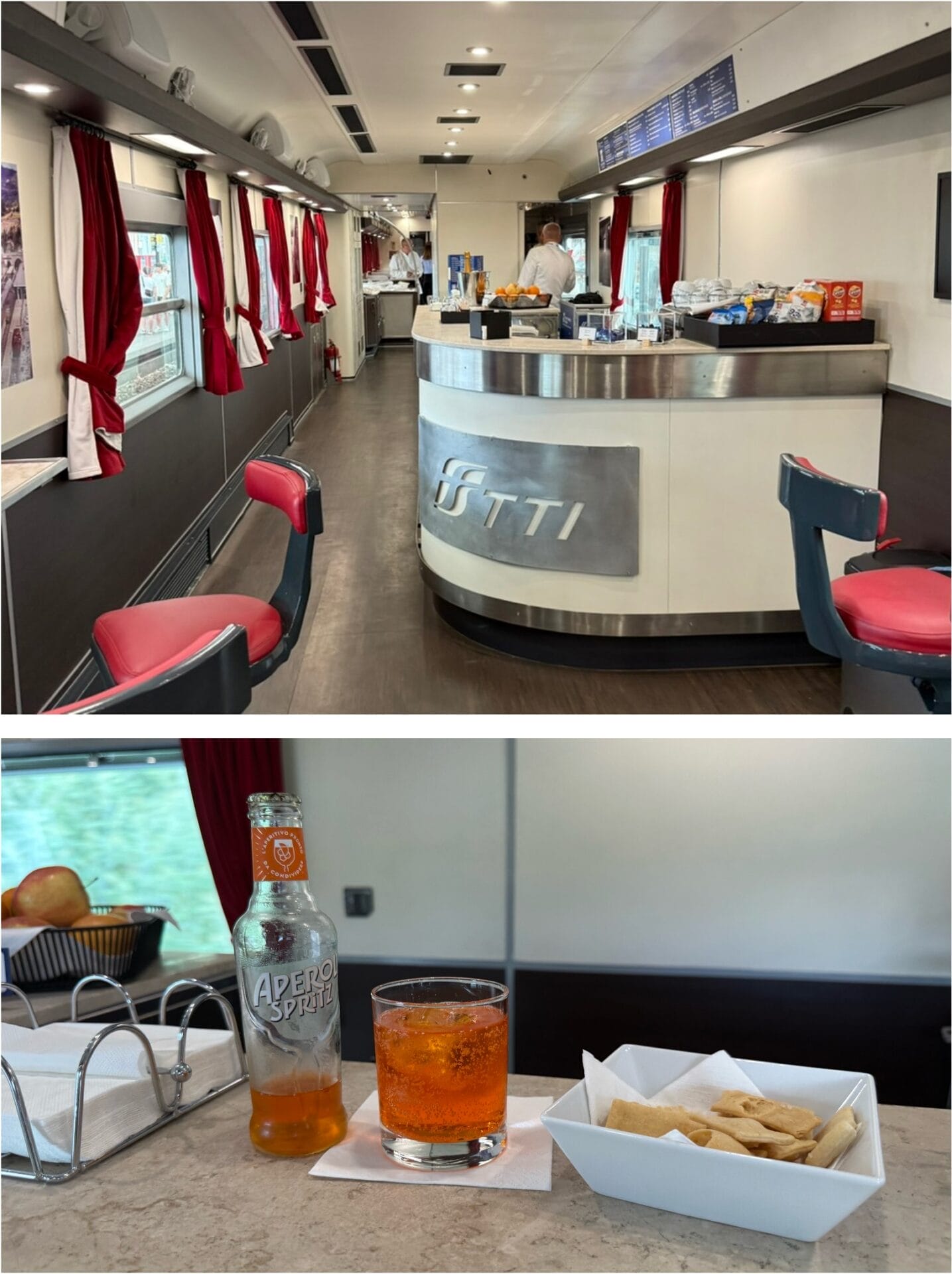
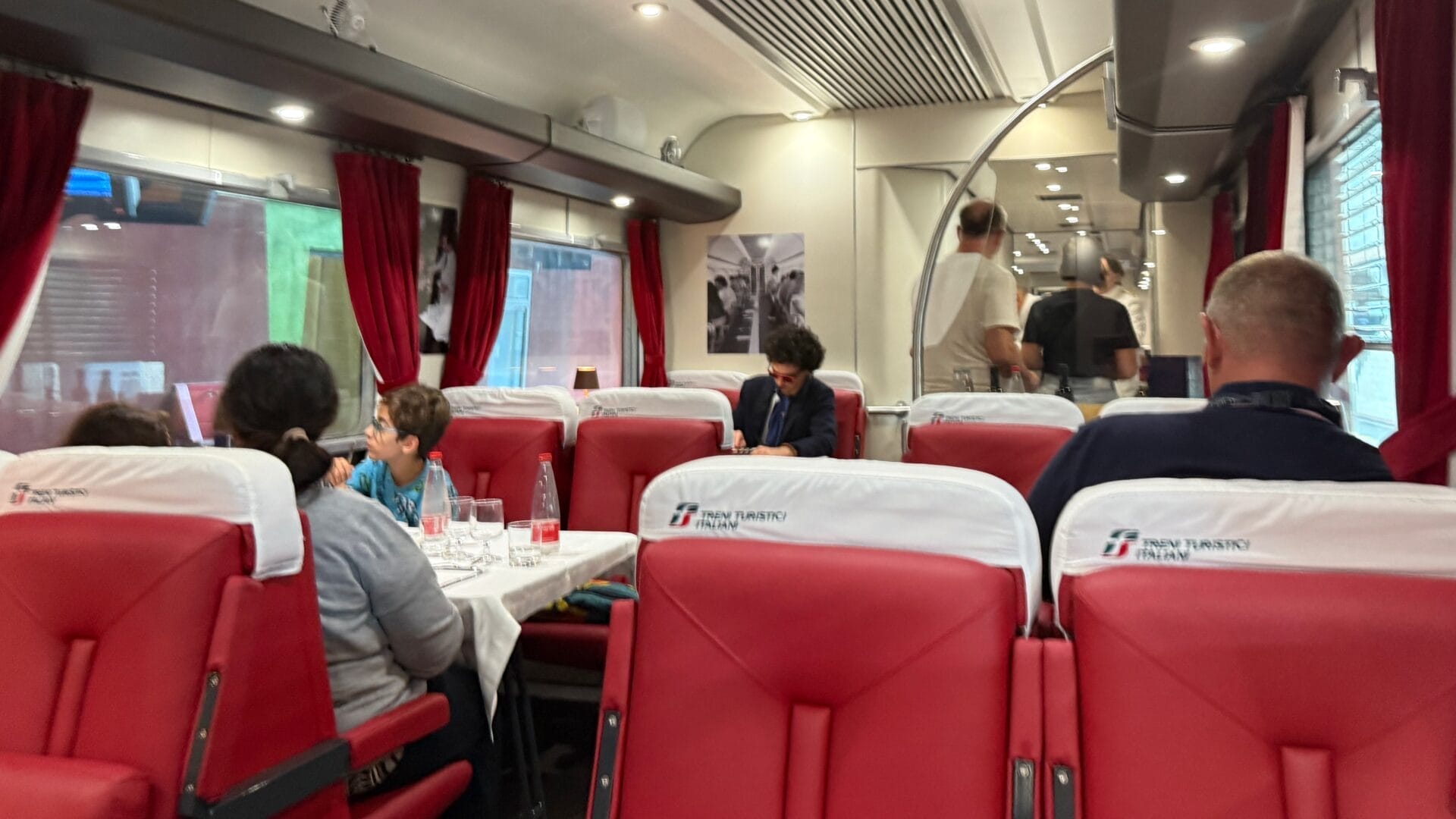
Then, after the train departed Saint-Raphaël, I went to the restaurant car. The atmosphere is cozy with red leather armchairs. I was greeted by a waiter in an immaculate white uniform.
Lunch is served in the old-fashioned way: no plastic cups or cutlery, but real linen for tablecloths and napkins, stemmed glasses, and nice metal cutlery. I felt like I was in a restaurant, just like in the past on the famous Palatino Paris–Rome.
Its price is €35 for a three-course meal, quite reasonable. My only regret is that it's a single menu with no choice. The menu includes tabbouleh as a starter, a chicken fillet with sautéed chicory signed by Chef Carlo Cracco, and a strawberry brownie for dessert. The whole meal is delicious, with a glass of Ligurian white wine.

I thoroughly enjoyed this homemade meal while admiring the passing scenery. A pleasure once commonplace on European trains in the 1960s, now exceptional. Progress doesn't always go in the right direction...
During the meal, a young man played the melodica for our enjoyment. It's a small wind and keyboard instrument that resembles a portable piano with a mouthpiece into which the musician blows. The sound is similar to that of a harmonica and an accordion.
Throughout the journey, I couldn't resist regularly coming to the bar for a strong espresso, as only Italians know how to make.

After my lunch, I returned to my "Salottini" to enjoy a limoncello and take a short nap, comfortably reclined in my reclining armchairs.
From Nice to Marseille: the Line Commissioned by Napoleon III
The section between Marseille and Nice was built in 1860 at the request of Napoleon III, who wanted to connect Nice to the French railway network as quickly as possible, after its annexation to France.
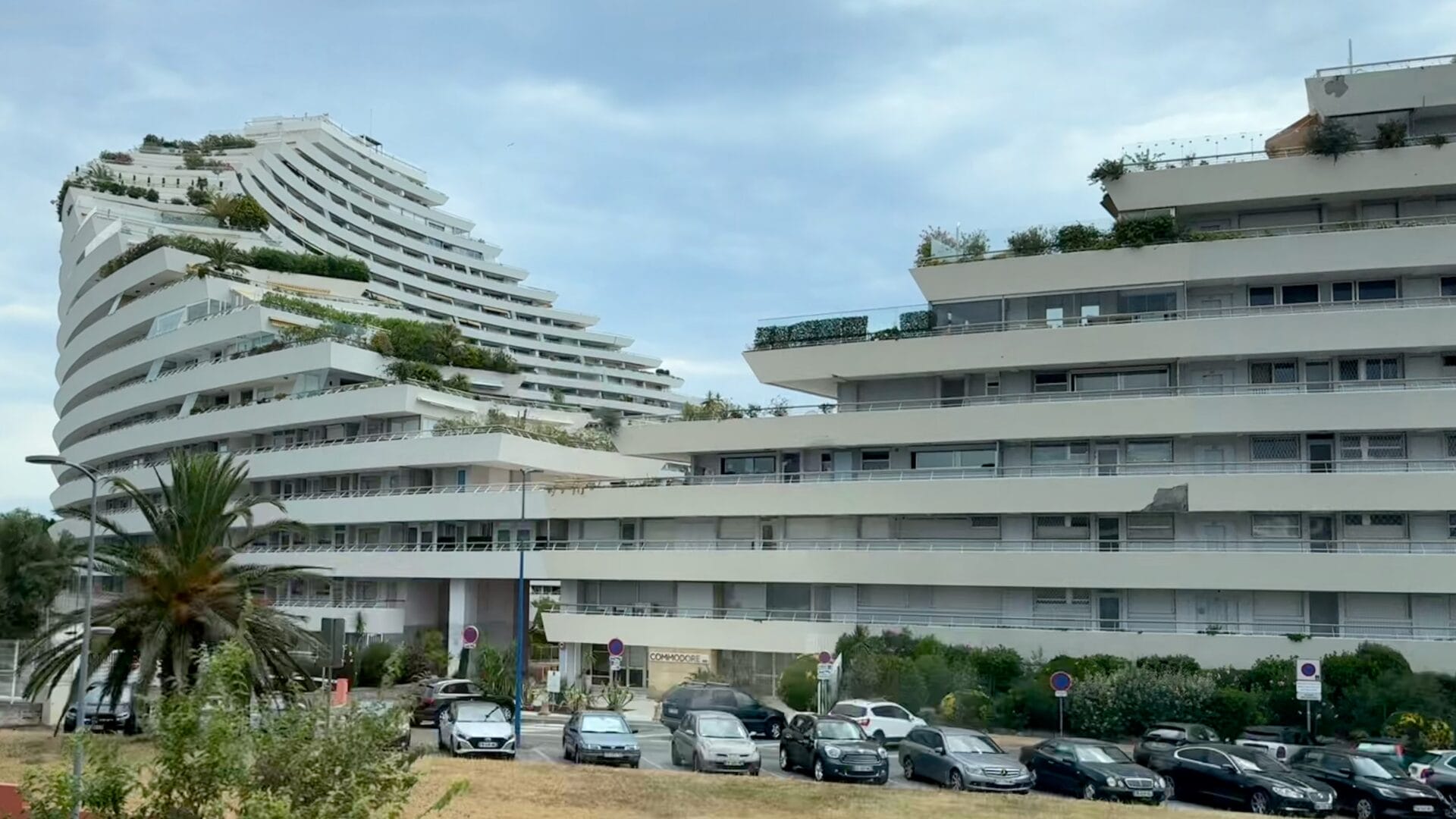
Upon leaving Nice, we passed through the most urbanized area. My gaze was drawn to imposing buildings: Marina Baie des Anges. Highly criticized during its construction in the 1970s, this complex ultimately blends quite well into the landscape, and I find its silhouette successful.
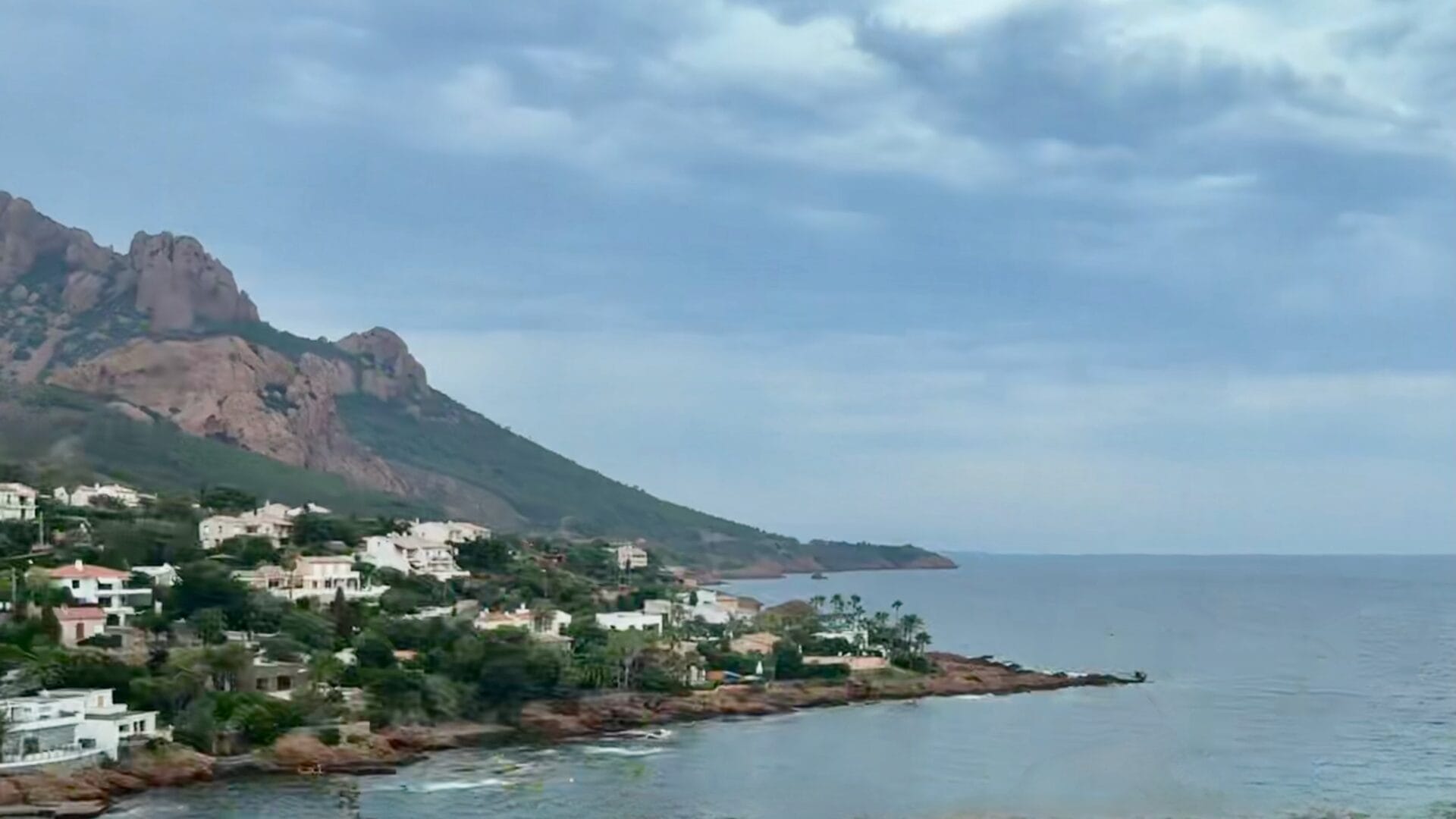
After Cannes, we approached the Estérel massif, remarkable for its red rock. Unfortunately, the stormy weather of the day did not highlight the splendid scenery. Tunnels, cuttings, and viaducts followed one another again facing the sea. A 19th-century construction project that, with the means available at the time, was an engineering feat.
Then, between Saint-Raphaël and Toulon, the line moved inland, revealing Provençal landscapes with vineyards and agricultural fields. Marcel Pagnol's land was not far off!
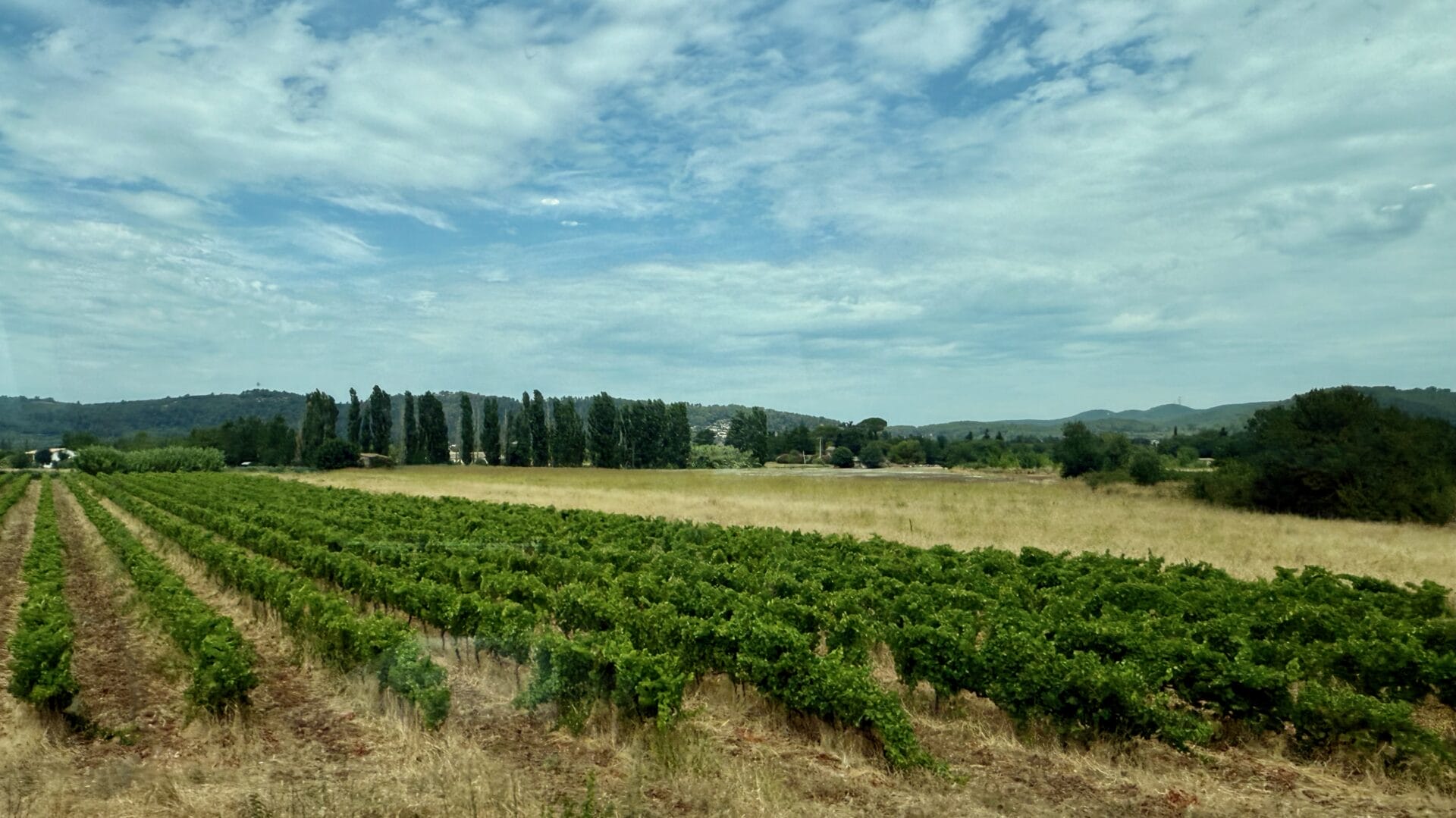
In Toulon, we rejoined the sea, running along Bandol and Sanary.

An Old Couchette Car Transformed into a Luxurious Sleeping Car
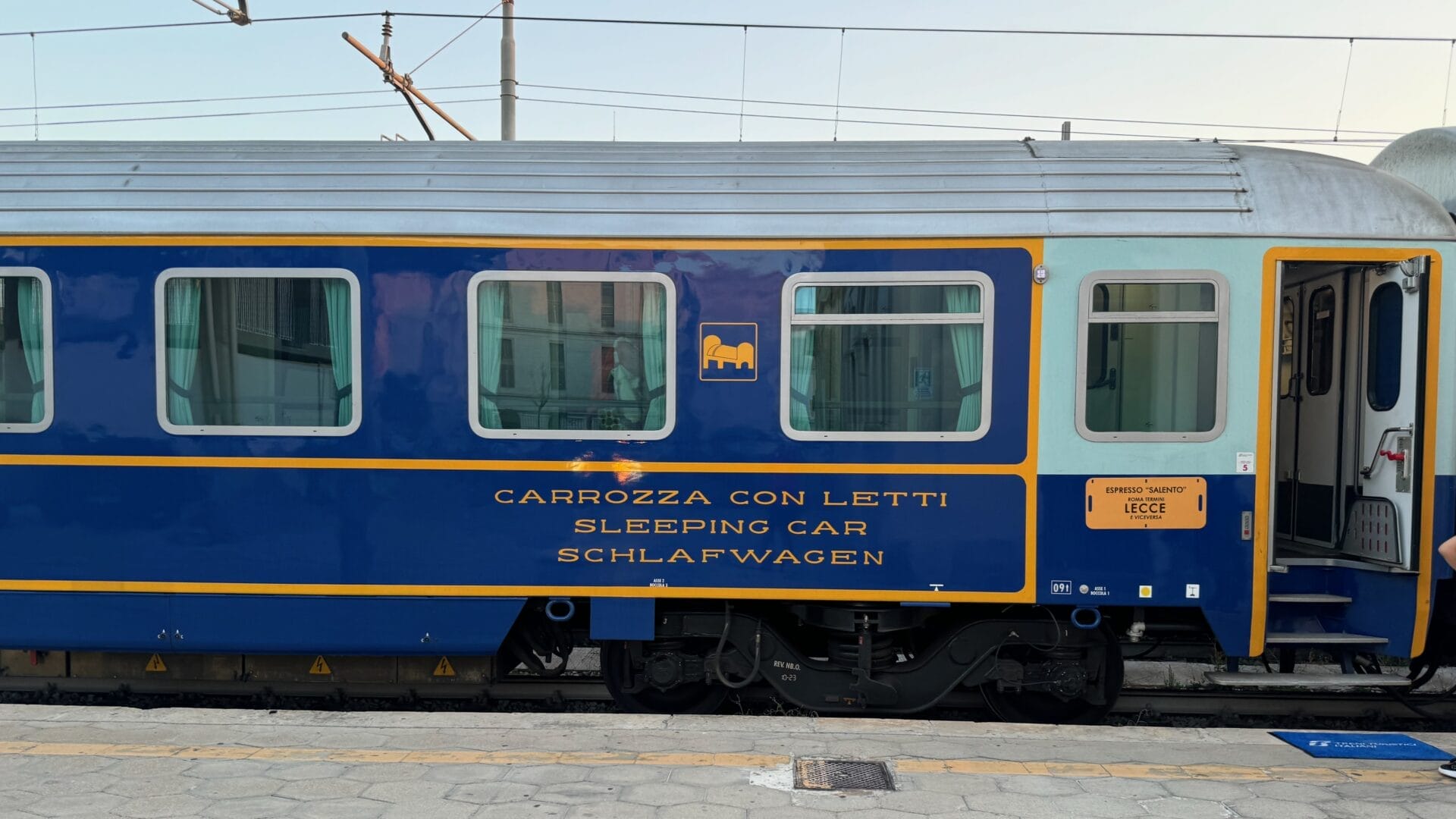
Before leaving my train in Marseille, I went to visit the sleeper car. It was reserved for passengers who had boarded the previous day in Rome. I had experienced it myself the previous year, from Lecce to Rome, aboard the Espresso Salento.
Its layout is surprising because it's actually an old couchette car transformed into a sleeping car!
Each compartment, which once housed six couchettes, is now reconfigured to offer only two beds, a washbasin, and an armchair. The decor is luxurious thanks to a thick red carpet and beautiful wood paneling. The velvet curtains give the compartment a vintage feel. A large black-and-white photo highlights Italy's rich railway heritage.

During the day, the compartment is transformed into comfortable armchairs with retro decor.
Note that if you travel in a sleeping car, dinner and breakfast are included in the ticket price.
More Classic Couchette Cars
The Espresso Riviera also offers two more classic couchette cars. They are also superbly renovated, with four-berth compartments. The bedding includes a mattress topper and a duvet. The comfort is close to that of a sleeper car, with the exception of the lack of a washbasin.
It's possible to privatize a compartment for a reasonable price, even if traveling alone or as a couple. I noticed a very thoughtful detail: for compartments that weren't full, the onboard staff folded down the unused berths, making the journey more pleasant for its occupants.

Arrival at Marseille Saint-Charles Station after a True " Slow Travel " Journey
The Espresso Riviera departed Rome the previous day at 7:57 PM and arrived in Marseille at 1:57 PM, making it a 14-hour journey for only 900 km! For comparison, that's the distance from Lille to Marseille, which TGVs cover in five hours.
This is explained first by the very winding profile of the coastal railway line, which prevents trains from going at high speed. Secondly, between Genoa and Ventimiglia, there are still single-track sections that act as bottlenecks. Finally, the Espresso Riviera is not a regular train: it has to weave its way through usual traffic, and furthermore, on weekend nights, the railways take advantage to carry out track work. But, like the other travelers, I don't regret this slowness, which allows one to savor the journey in great comfort truly.
I leave the Espresso Riviera with my eyes full of wonder. My journey from Genoa to Marseille even seemed too short, between discovering the train and the exceptional landscapes I traveled through!
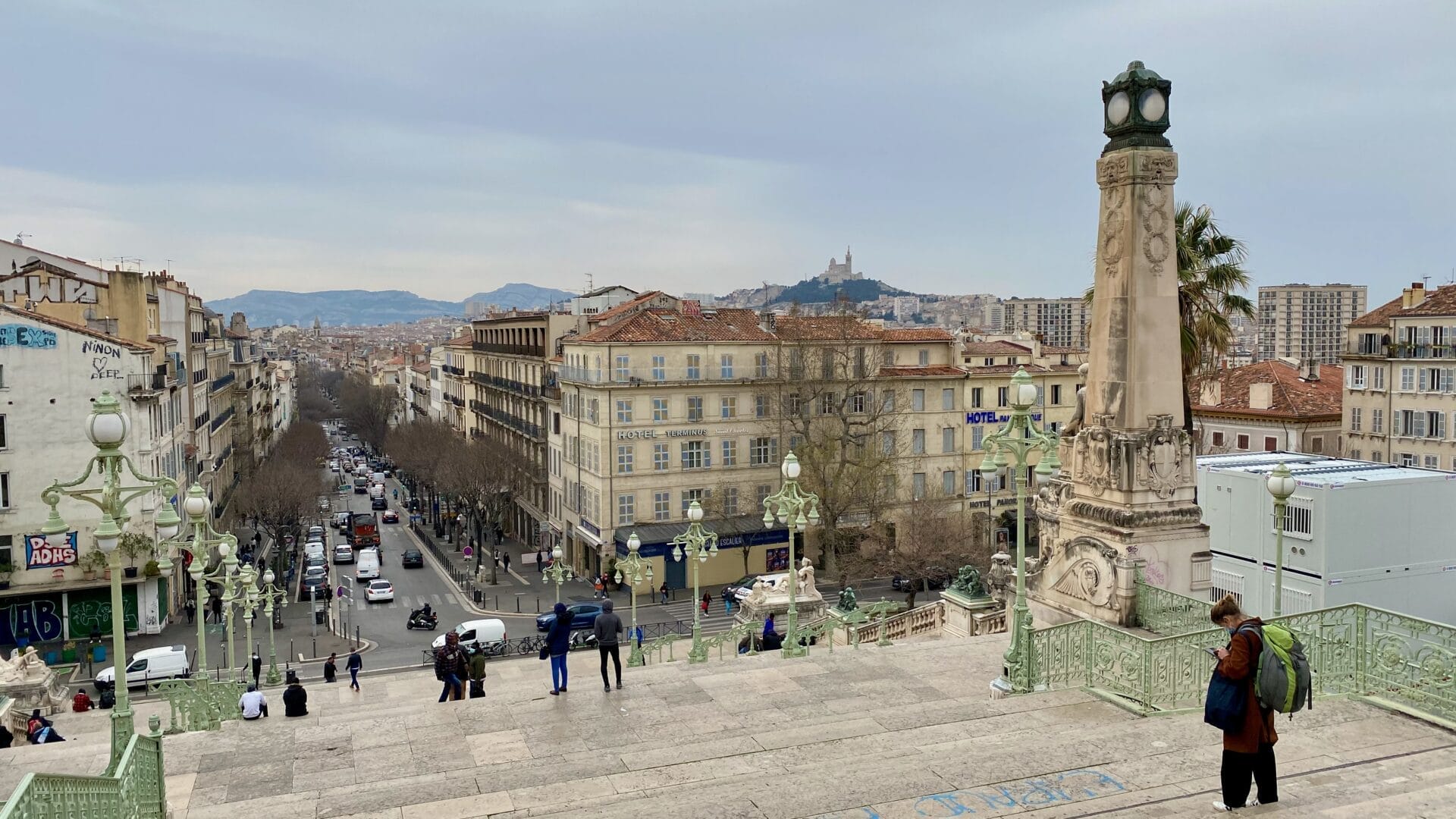
At the end of the platform, I find the monumental staircase of Marseille Saint-Charles train station, which spectacularly connects it to Boulevard d'Athènes. In the distance, the Notre-Dame de la Garde Basilica greets me!
Treni Turistici Italiani (TTI): a Unique Railway Experience that I Really Enjoyed
This journey between Genoa and Marseille, just like the one from Lecce to Rome the previous year with TTI, delighted me! This is the train of my dreams: comfort, very attentive human service, and affordable prices.
I loved these carefully renovated late 20th-century carriages. TTI isn't just about transport; it's about real-life experiences: you sleep in absolutely cozy beds, you dine like in a restaurant, and you enjoy lounges as comfortable as at home.
On board TTI trains, I noticed the coexistence of tourists drawn to the vintage aspect and travelers who simply need to get from point A to point B, having opportunistically chosen this train due to its schedule or price. This is a peculiarity that distinguishes it from trains entirely dedicated to luxury tourism, like the current Orient-Express. I found that this mix of travelers makes the journey more authentic.
TTI is therefore a unique railway offering that comes closest to the train journey of my dreams: vintage, comfortable, and very affordably priced. I highly recommend it!
In any case, it's certain that I will take the train with TTI again, as I really enjoyed my first two experiences.
Practical Tips for your Trip with Treni Turistici Italiani (TTI)
The Essential Website to Consult
TTI has a dedicated website where you will find all the information about currently offered journeys.
You can book your journey directly there: the site uses Trenitalia's booking engine.
Please note: SNCF does not sell TTI tickets, including for the seasonal connection departing from Marseille.
Finally, the Interrail Pass is not accepted on TTI trains.
How much does it cost?
The journeys offered by TTI are relatively affordable because the company is still young and not widely known.
As an example, here are the prices for summer 2025 between Rome and Marseille (one-way):
-
€94.90 in a 4-berth compartment
-
€322.60 for a private 4-berth compartment
-
€214.90 in a single sleeping car cabin (dinner and breakfast included)
-
€184.90 per person in a double sleeping car cabin (dinner and breakfast included)
By booking in advance, you can benefit from even lower prices with the promotional fare "TTI Special 25" that you can select in the search engine. Thus, my journey from Genoa to Marseille in " Salottini " class cost me €108.70.
What Routes Does TTI Offer?
The routes offered by TTI change each season.
Thus, in the summer of 2024, TTI offered a trip from Rome to Calalzo di Cadore, in the Dolomites, which has not been repeated since. The Milan–Nice train, launched in 2024, was replaced by a Rome–Marseille service in the summer of 2025.
TTI's offering is therefore closer to that of a tour operator than a classic transport provider. From this point of view, TTI positions itself as a competitor to the Orient-Express, which also offers tailor-made journeys.
My Tip:
Regularly check the TTI website, and as soon as a new journey is put on sale, book it without delay.
You can then organize your journey with regular trains from your home to reach the TTI train's departure point and enjoy a truly exceptional railway journey.
Will the Espresso Riviera be Operational in Summer 2026?
Have a good trip!
Bon voyage!
0 Comments