
High-Speed Rail in China: Analysis of the World Leader

China: the strategy behind the world's largest high-speed rail network
In less than twenty years, China has built the world's largest high-speed rail network. A transformation of exceptional scale, both in its speed and level of integration.
But this success is not based solely on massive investment. It relies on a combination of strategic choices: technology transfer, industrial standardization, centralized planning, and large-scale deployment.
In this article, I offer a structured analysis of this railway model, examining its mechanisms, its results—but also its limitations—and what Europe can learn from it:
- Massive and methodical technology transfer
- Centralized planning and vertical execution
- Fuxing trains: national pride
- Stations: from Maoist and Soviet heritage to 21st-century modernism
- Assessment: on the one hand, undeniable success
- On the other hand: insufficiently controlled costs
- Three lessons for Europe
- An impressive model, but difficult to replicate
This article is part of a comprehensive dossier on trains in China, based on field research.
With over 35 years of experience in transportation—from night trains to aviation—I offer a well-founded analysis.
Massive and methodical technology transfer
How did China succeed where other countries struggle?
China's railway history is a textbook case of massive and methodical technology transfer, transforming foreign dependence into global dominance in less than twenty years. The approach was pragmatic: "import, digest, assimilate, and re-innovate."
Rolling stock: the trains
This is the most spectacular technology transfer.
Starting in 2004, China launched tenders to all leading railway manufacturers, without exception. Germany's Siemens, France's Alstom, Canada's Bombardier, and the Japanese, with their famous Shinkansen, all responded. However, the conditions were strict: production in China and mandatory technology transfer.
The result was a wide variety of "Hexie" train models—meaning "Harmony." This heterogeneity complicated their operation, but above all allowed China to very quickly close its technological gap in high-speed rail.
The main "Hexie" models are a legacy of the best of global technology:
- Through a joint venture (BST), Canada's Bombardier introduced the CRH1, based on Regina technology.
- The CRH2 model is a direct derivative of the Japanese Shinkansen. It's the technical foundation that enabled China to understand high-speed train dynamics.
- The CRH3 is based on the Velaro (ICE 3). Germany's Siemens had to transfer detailed plans for the trains to be assembled locally.
- The CRH5 is based on the Pendolino (Italian design acquired by Alstom), adapted for the cold climates of northern China.
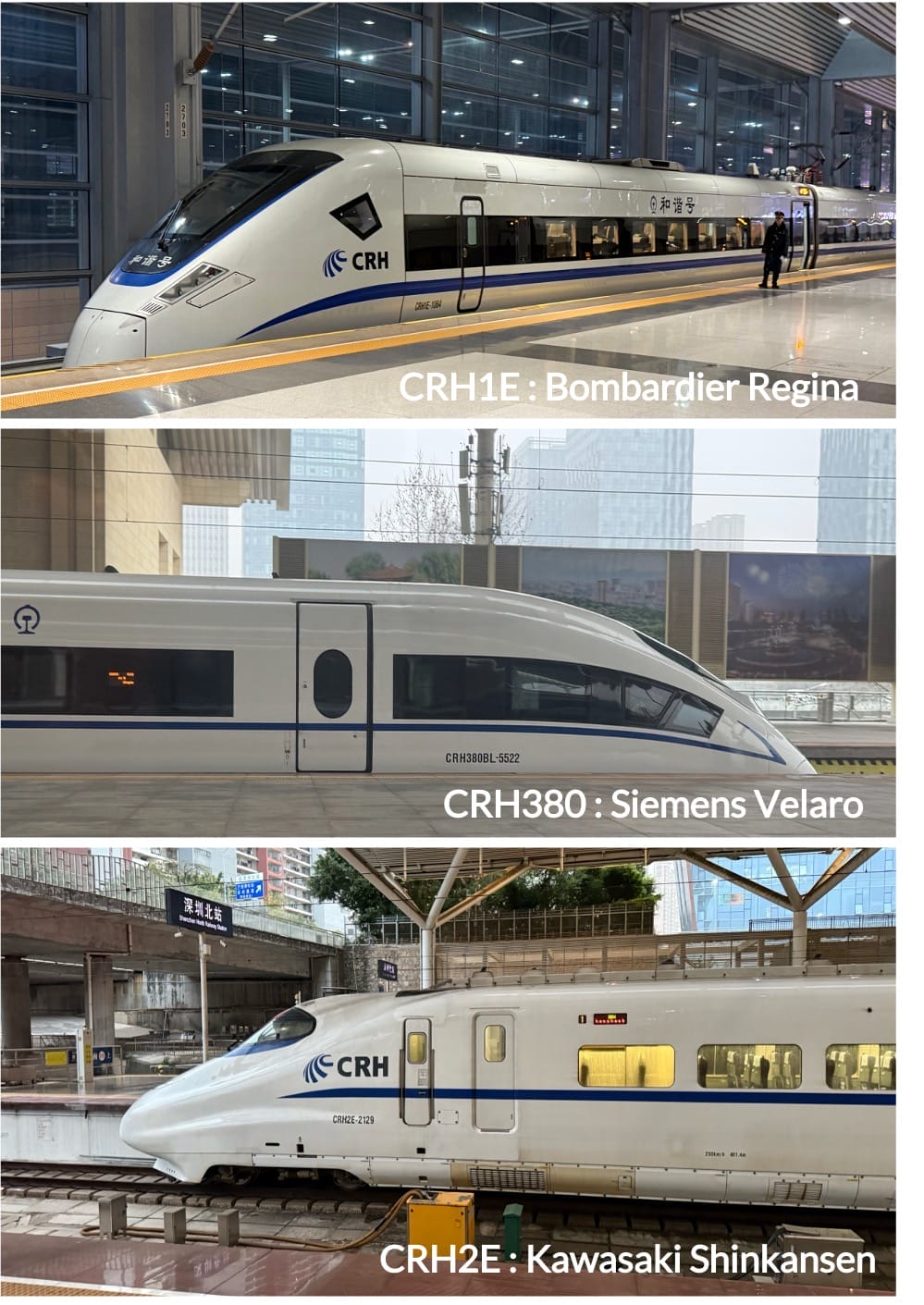
After "digesting" these four schools, China created its own trains, the CR called "Fuxing," which are free from foreign licenses by using 100% Chinese patents on traction motors and braking systems.
The advantage for China is not only independence, but also the ability to compete with its former partners abroad.
Network infrastructure: railway tracks
In the early 2000s, China lacked experience in building very high-speed railway tracks (300+ km/h), which require great expertise.
Thanks to German and Japanese technology, it learned to create suitable stable concrete slabs.
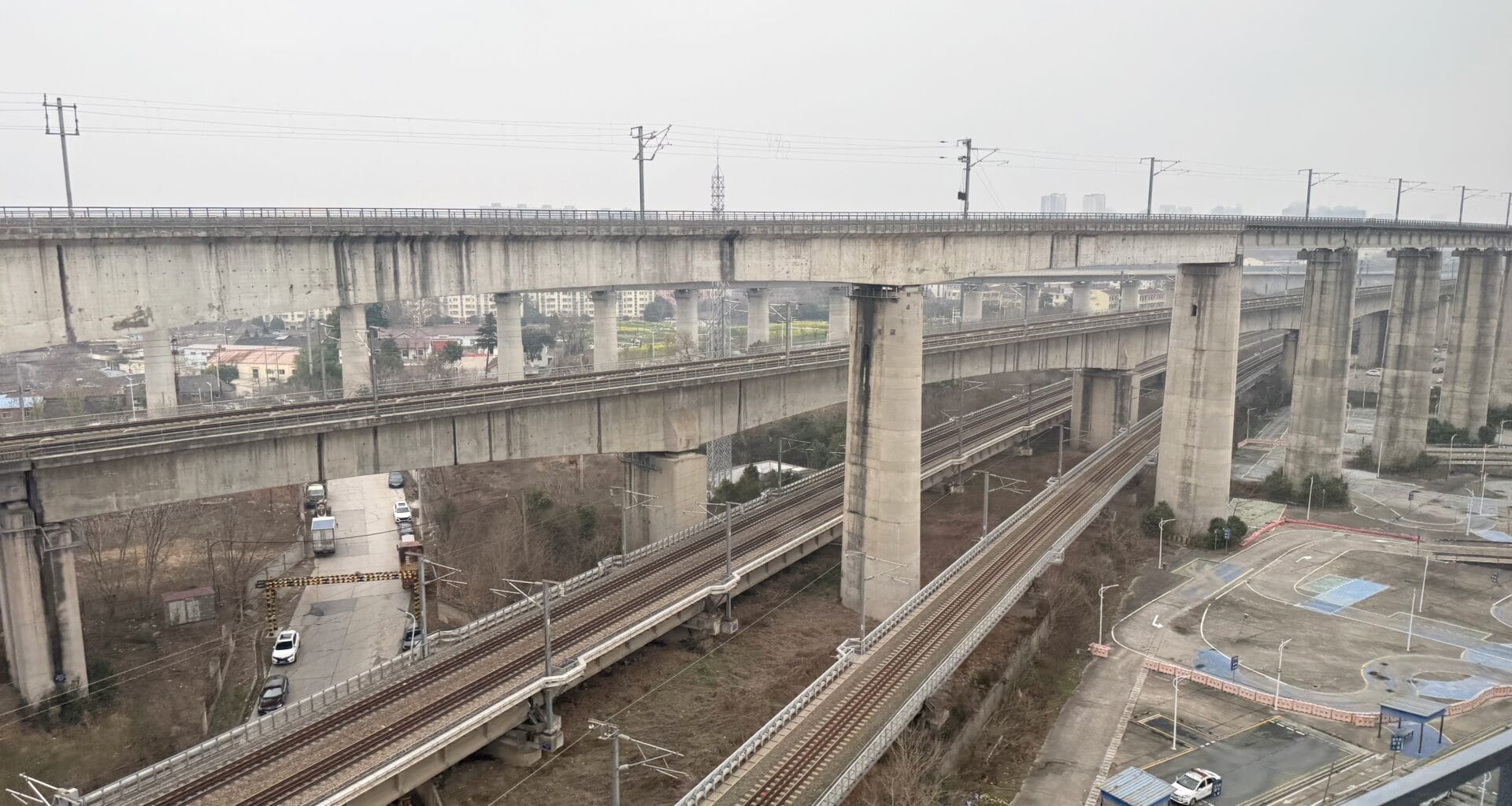
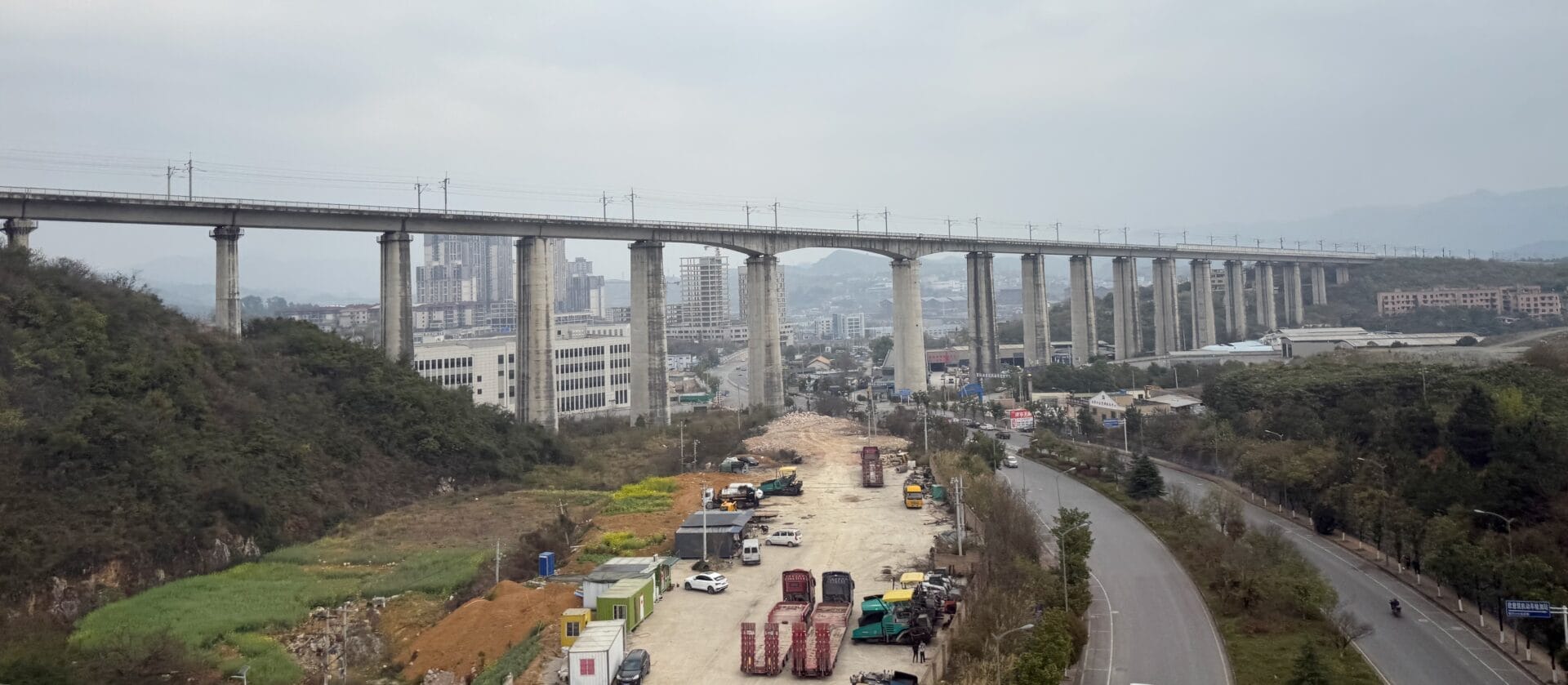
Before creating its own industrial giants, China learned from leaders like Germany's Herrenknecht the technologies needed to drill tunnels and build bridges.
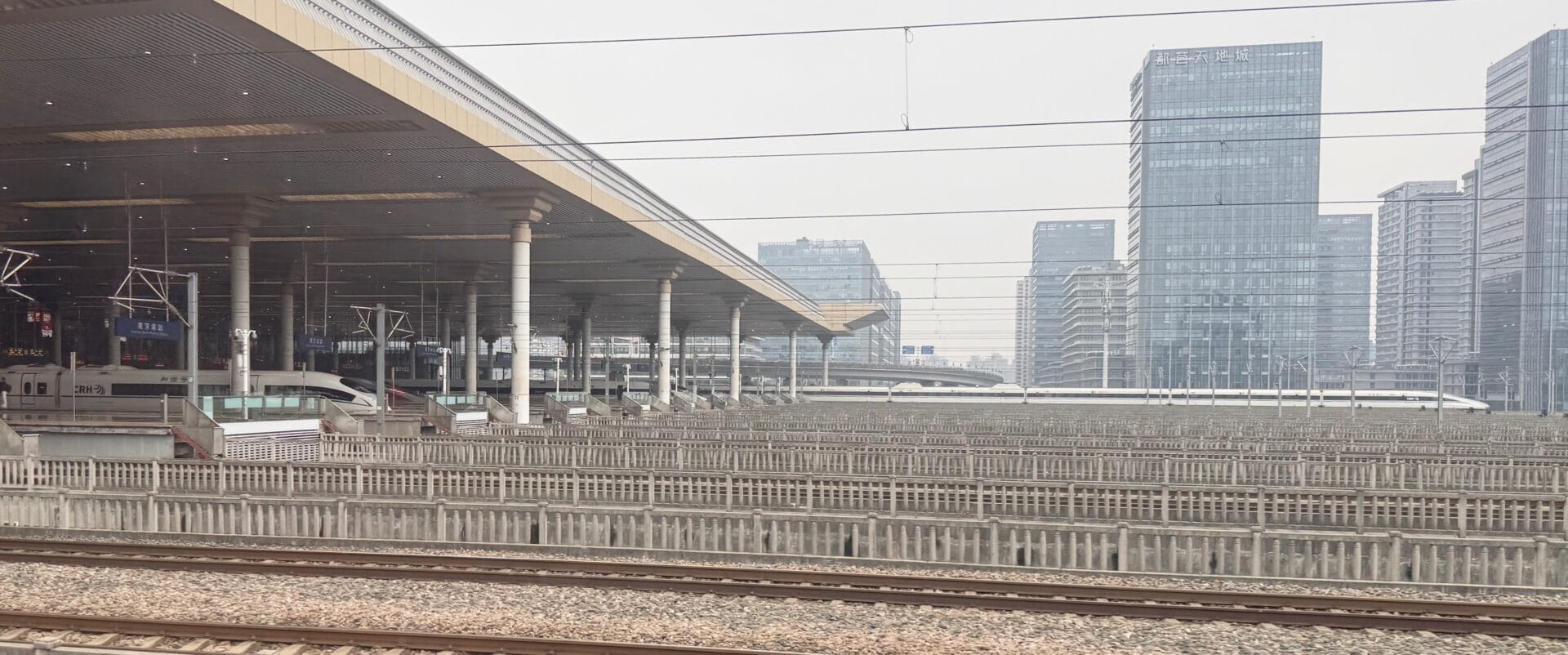
Finally, signaling systems were initially designed according to European standards from Siemens and Alstom, which enable high-frequency management at high speed. Since then, China has developed its own standards.
Stations: Architecture and management
The transfer here is less "mechanical" but more conceptual and organizational.
- Architectural design: For mega-stations (Shanghai Hongqiao, Beijing South), China called upon major international firms (such as Germany's gmp Architekten or Britain's Arup). The transfer focused on managing massive passenger flows (airport-style).
- Ticketing systems: The transition to digital ticketing systems benefited from initial collaborations with global information systems experts before being fully integrated by Chinese tech giants (Alibaba/Tencent).
Centralized planning and vertical execution
China's operation is based on centralized strategic planning, a legacy of the socialist model adapted to a market economy. This system allows the state to mobilize massive resources over the long term, which explains the lightning transformation of its infrastructure.
Vertical execution: Once the national plan is adopted, each province and city must develop its own objectives to comply with it, creating synergy between central government and local authorities.
The high-speed network in 2026
China now has over 46,000 km of high-speed lines—a figure barely conceivable in the early 2000s. The turning point dates back to 1978, when Deng Xiaoping discovered the Japanese Shinkansen. Yet it would take over twenty years for this inspiration to translate into concrete action.
But from the mid-2000s onward, execution was efficient and uncompromising: state planning, absence of checks and balances, rapid expropriations. The network developed exponentially in less than fifteen years. The first high-speed line, between Beijing and Tianjin, was only inaugurated in 2008, but marked the starting point of spectacular acceleration.
In the early 2000s, to structure its vast territory, China drew up a theoretical grid consisting of:
- Four major north-south lines (Verticals).
- Four major east-west lines (Horizontals).
The goal was to systematically connect the main metropolises (Beijing, Shanghai, Guangzhou).
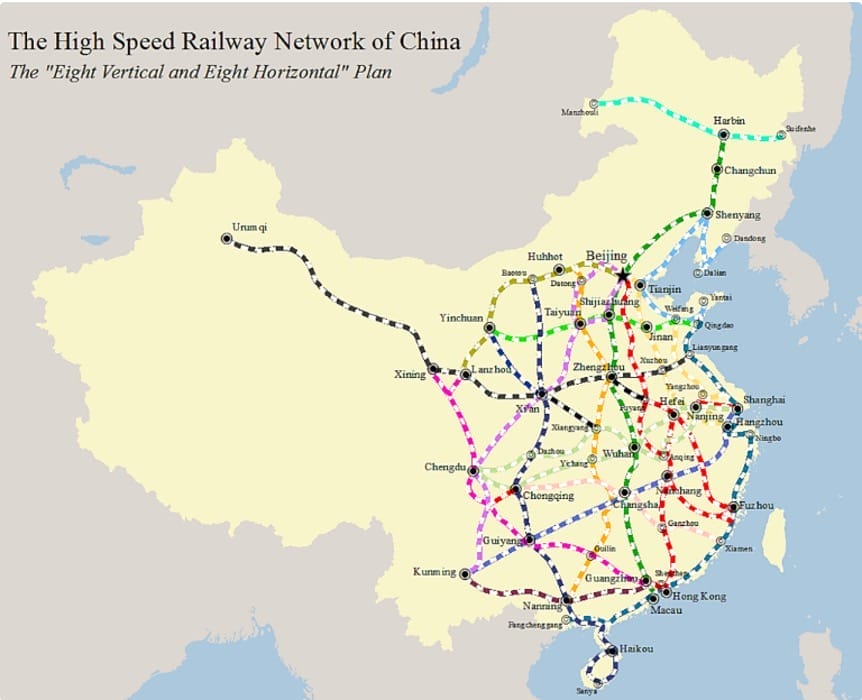
Faced with the network's stunning success, the government doubled its ambition in 2016 with the "Eight Verticals, Eight Horizontals" plan.
- The eight north-south axes: They mainly connect the industrial north and the capital to the fertile southern coasts and Vietnam.
- The eight east-west axes: They connect the eastern ports (Pacific) to the remote western regions (Tibet, Xinjiang) and toward Central Asia (Silk Roads).
This map illustrates the network today. Eventually, it should reach 60,000 km:
 Source: Wikipedia
The idea behind the plan was to densify the grid so that no major city would be left out. The government affirmed its intention to use rail as a powerful tool for regional development.
The journey, however, was not linear. The Wenzhou accident in 2011 (40 deaths) and corruption scandals temporarily weakened the system.
In response, the state restructured the sector with the creation of China State Railway Group, a sprawling conglomerate: 2 million employees, 140,000 km of track including approximately 46,000 km of high-speed lines, over 110 billion euros in revenue—and considerable debt. It is currently estimated at 800 billion euros. That's equivalent to the Netherlands' GDP!
A conventional network modernized in parallel
This revolution is not limited to high-speed rail. The conventional network has also been profoundly transformed. In two decades, China went from a slow and aging railway system—average speed around 48 km/h—to a globally efficient and coherent network across the country.
This simultaneous modernization is an often underestimated point: high-speed rail did not replace the existing network, it was superimposed on it while pulling it upward.
The contrast is striking with the other great rival power: the United States. The modernization of the Northeast Corridor (Washington–Boston) remains slow and fragmented, despite decades of debates and investments. As for the high-speed rail project between San Diego and San Francisco, it remains unfinished, accumulating delays, cost overruns, and political uncertainties, pushing any complete commissioning to an indefinite horizon.
Fuxing trains: national pride
The Fuxing trains, 100% Chinese, are the pride of Chinese railways.
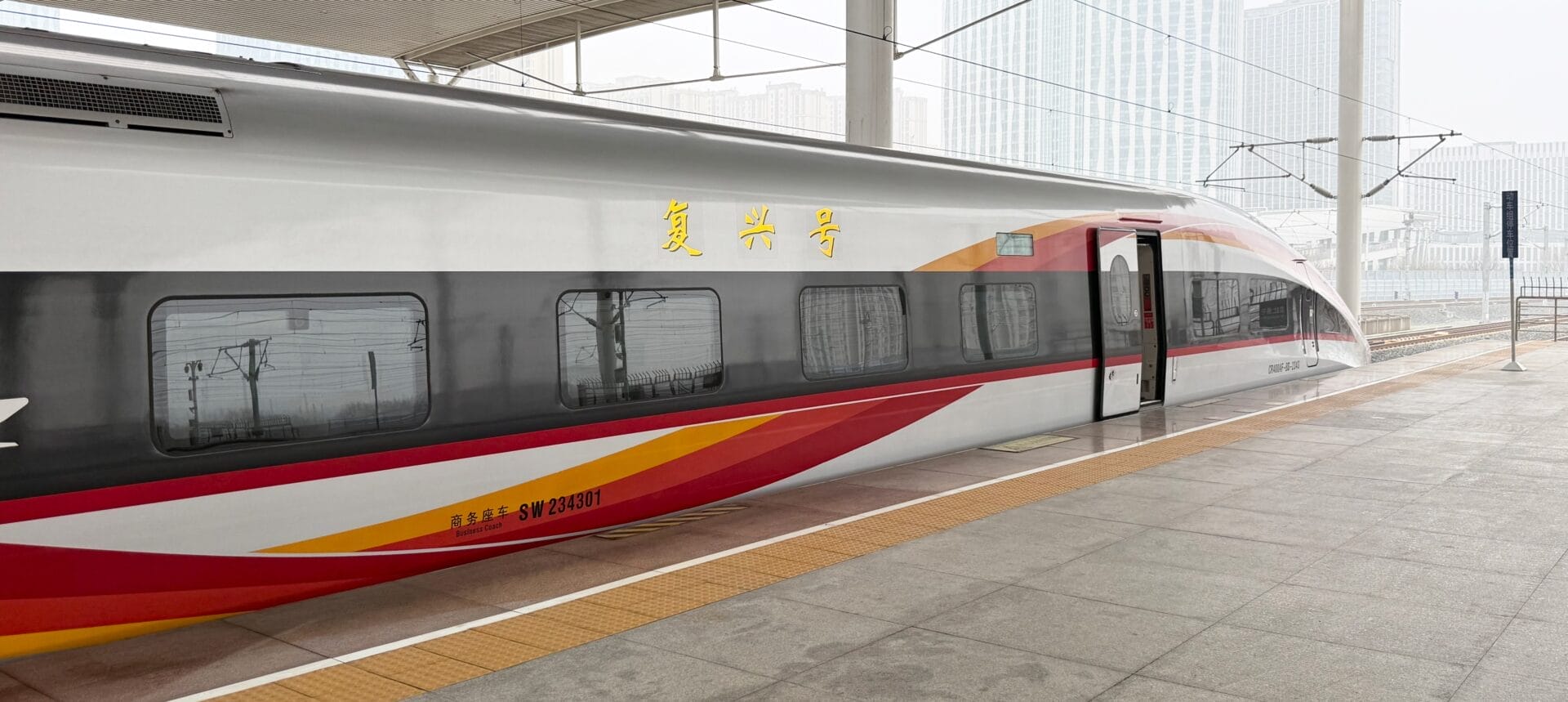
Chinese high-speed trains: the CR called "Fuxing"
"Fuxing," meaning "Renaissance," reflects the program's ambition well. CR trains are entirely designed and manufactured in China. The first trainset entered service in 2017.
These trains exist in 8, 16, or 17-car versions. In this maximum configuration, a trainset reaches 439.8 m and can carry up to 1,283 passengers. This is an impressive length. A French TGV in double configuration does not exceed 400 meters.
Unlike CRH trains, the "Fuxing" are interoperable thanks to unified EMU (Electric Multiple Unit) standards. This standardization facilitates their operation across the entire network.
Technologically advanced trains
Since 2022, new generations of "Fuxing"—the CR400AF-C and CR400BF-C—have been put into service. Described as intelligent, these trains incorporate semi-automatic operation and modernized interior layouts, which I discuss in more detail in my article: "Traveling by High-Speed Train in China: My Assessment After 11,000 km."
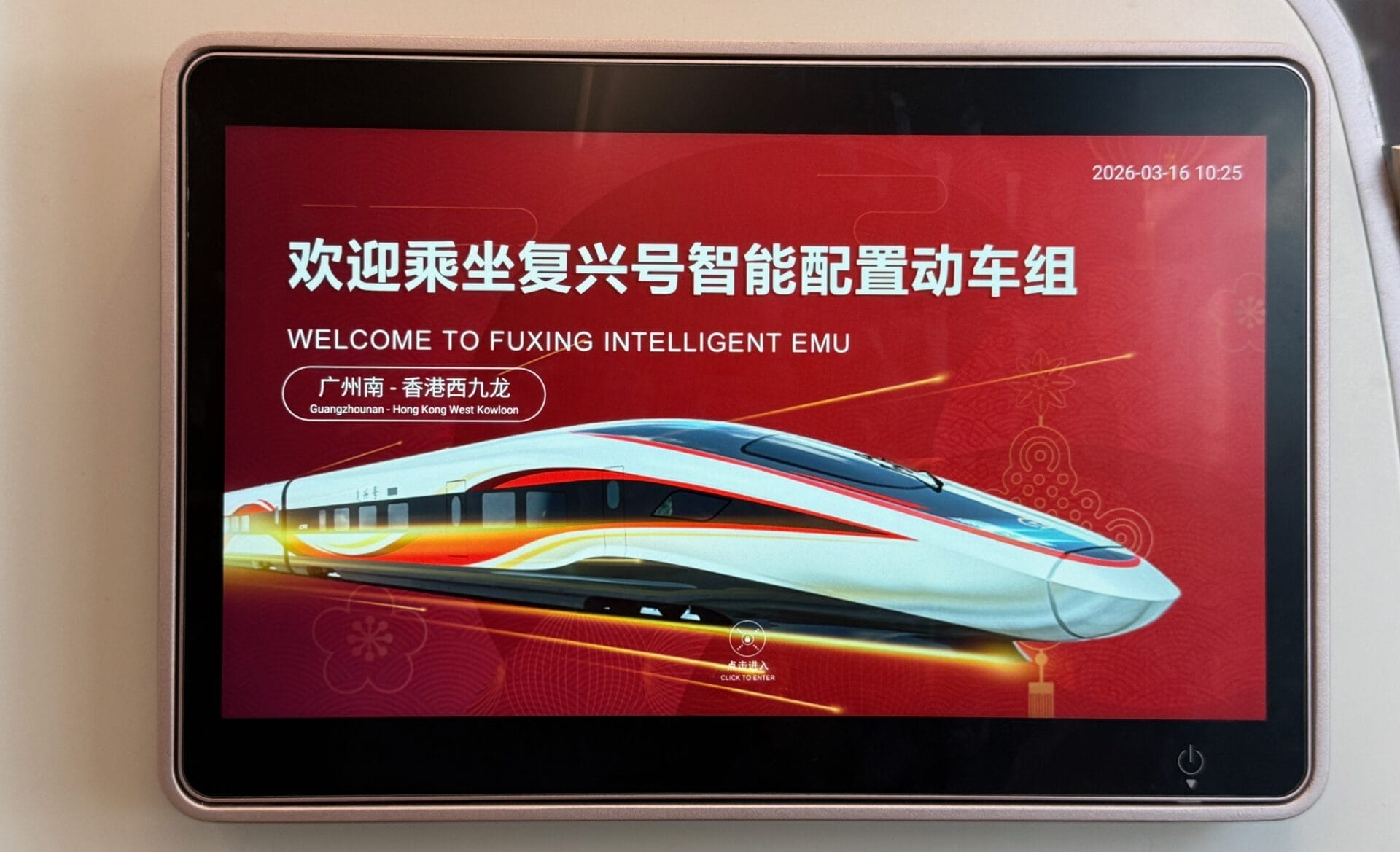
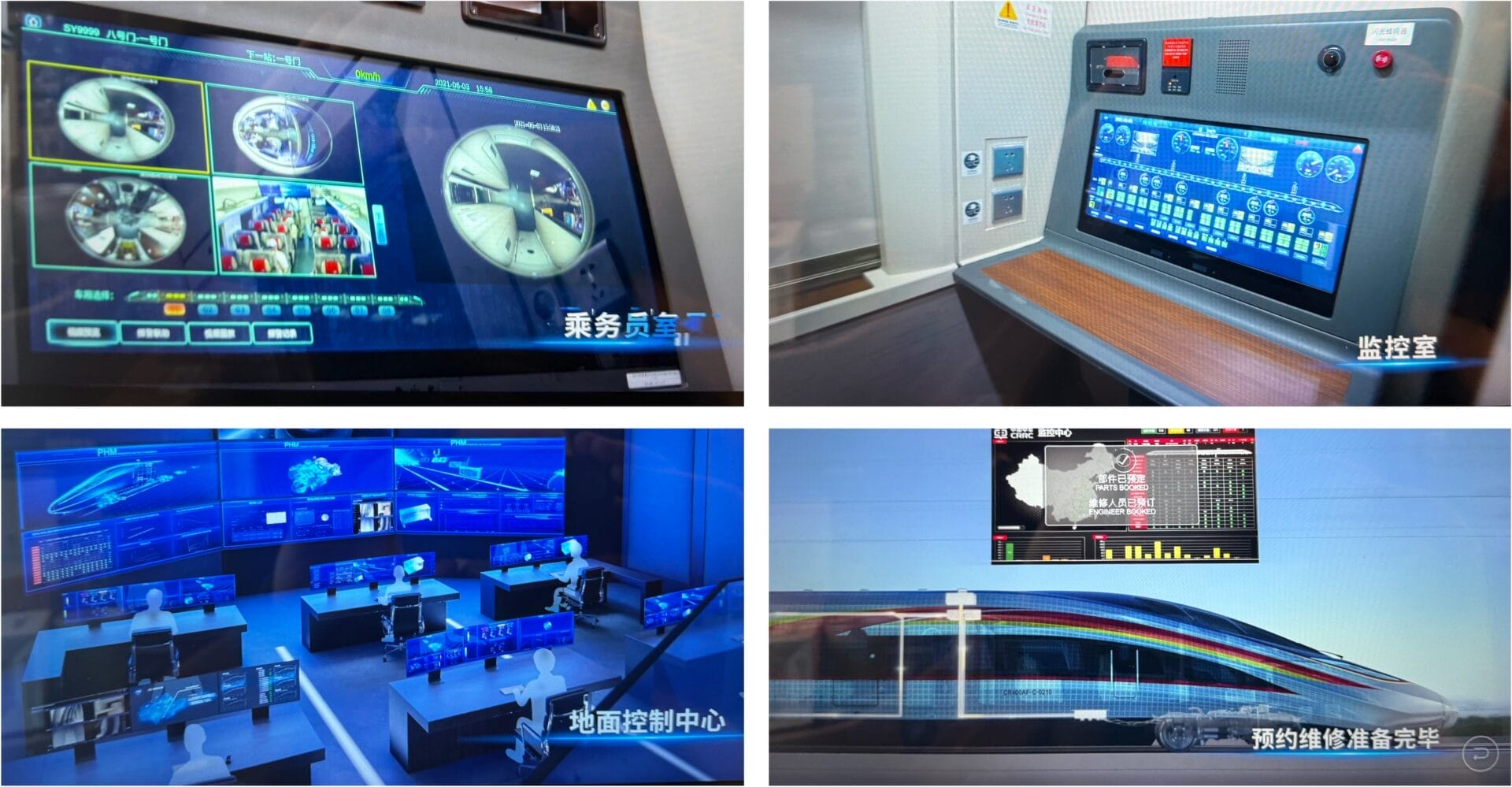 Excerpts from Fuxing promotional video
On certain lines, notably Beijing–Shanghai, these trains run at 350 km/h. The next generations aim for speeds of 380, even 400 km/h. A performance that raises questions: the time savings remain limited, while energy consumption increases sharply. By comparison, SNCF limits its TGVs to 320 km/h to optimize the balance between speed and energy efficiency.
Finally, a major challenge lies in their ability to operate in extreme climatic conditions, ranging from –40°C in the north in winter to +40°C in summer.
While Fuxing trains are at the forefront of the railway industry in terms of speed, other manufacturers are working on equally advanced projects, but with different objectives. For instance, Alstom is developing the TGV M, which aims to be operated with 20% greater energy efficiency compared to current models.
Stations: from Maoist and Soviet heritage to 21st-century modernism
During my trip, I had the opportunity to visit many stations. I was able to classify them into three generations: renovated historic stations, monumental stations, and functional stations.
Historic stations: renovated
The most iconic of these is central Beijing. This is the one I discovered during my first visit in 1989 and through which I arrived on the Trans-Siberian from Ulaanbaatar in 2003. It was built in 1959 in a monumental Soviet-Maoist style. Since then, it has been beautifully renovated.
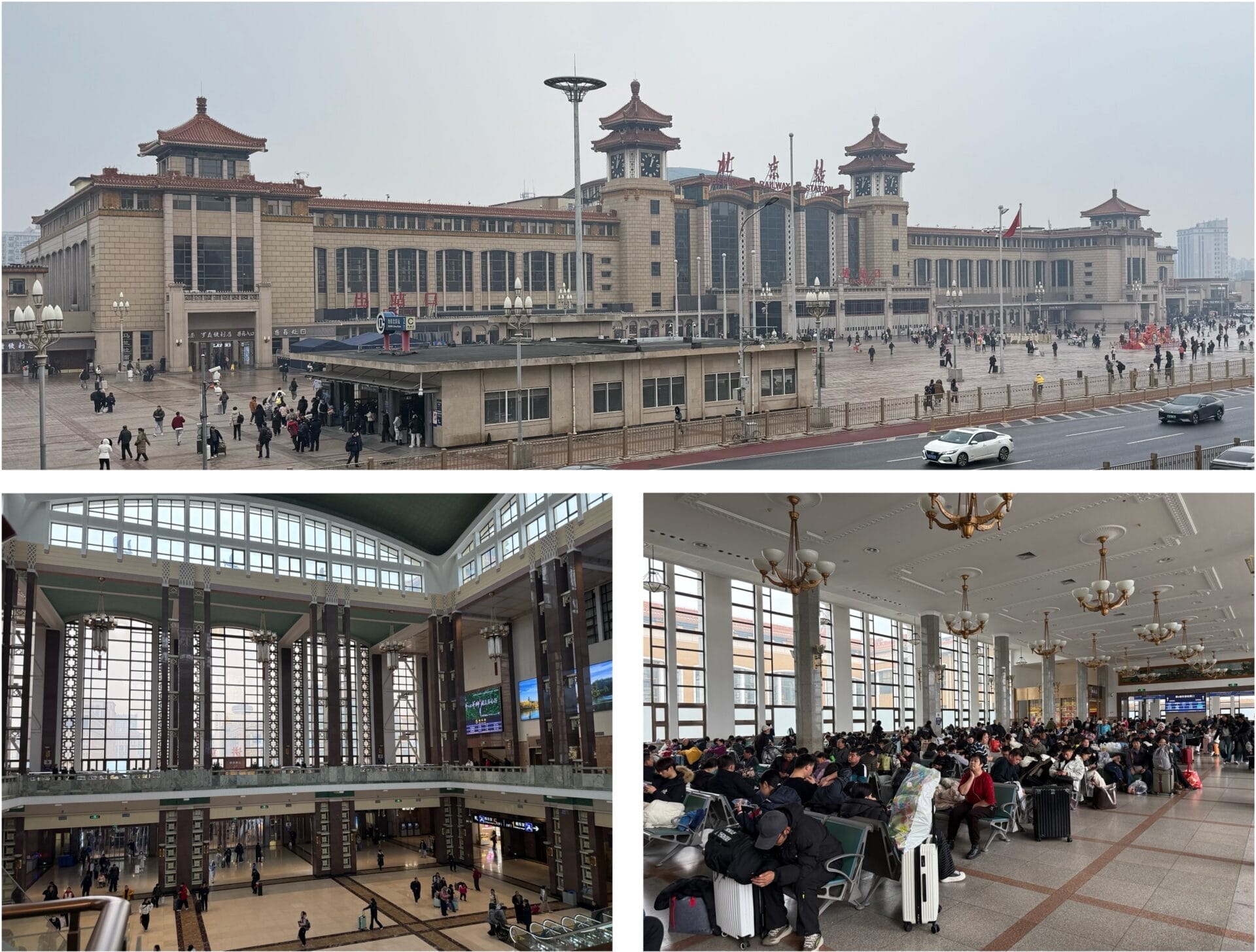 Beijing Central Station
Another station I visited is Harbin, where the Russian influence is very strong. Just opposite stands the Orthodox Church of Saint-Iver, recognizable by its multiple small green onion-shaped domes. I felt like I was in a Siberian city rather than a Chinese one.
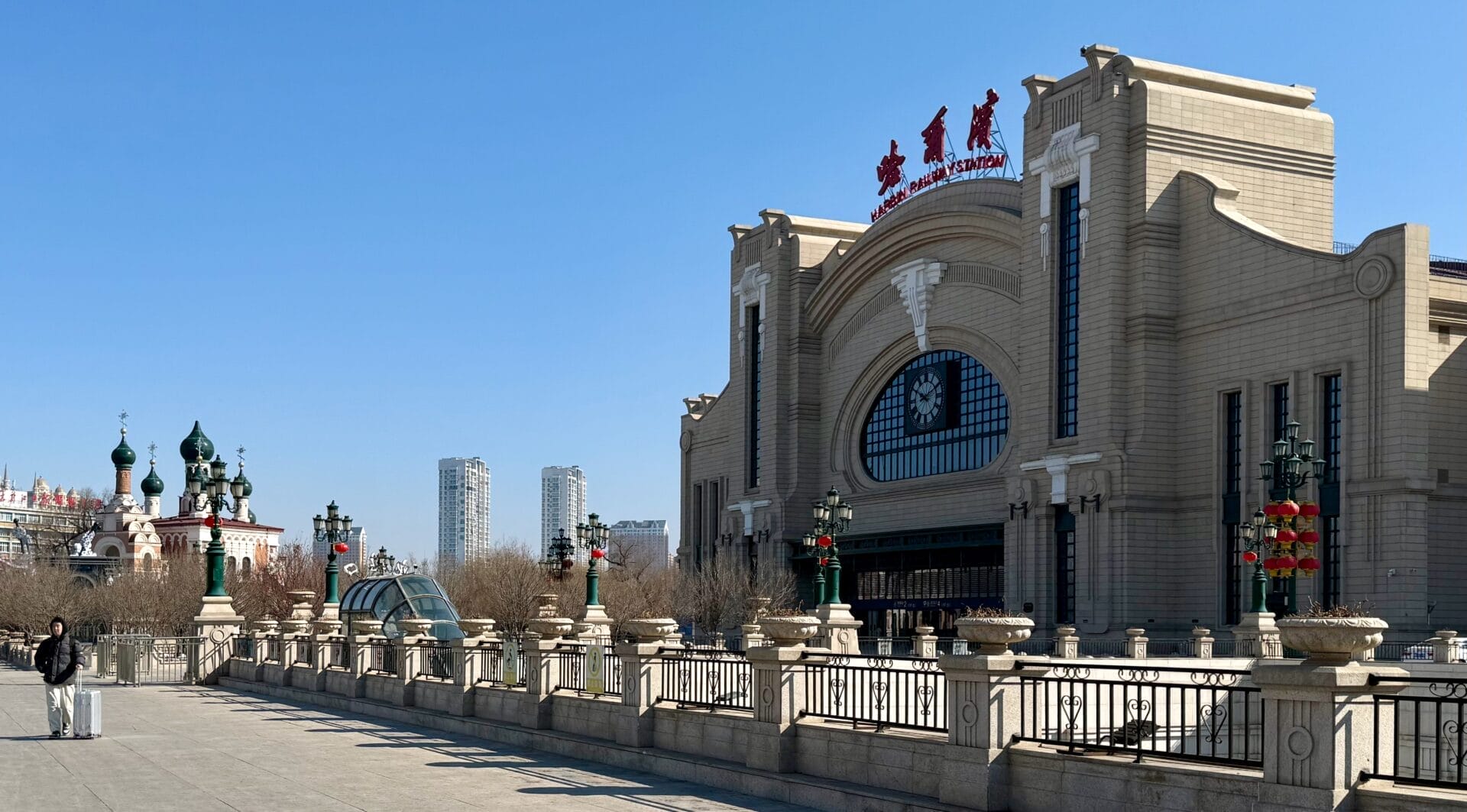 Harbin Central Station
But these stations are no longer really suited to current traffic and they play an increasingly minor role.
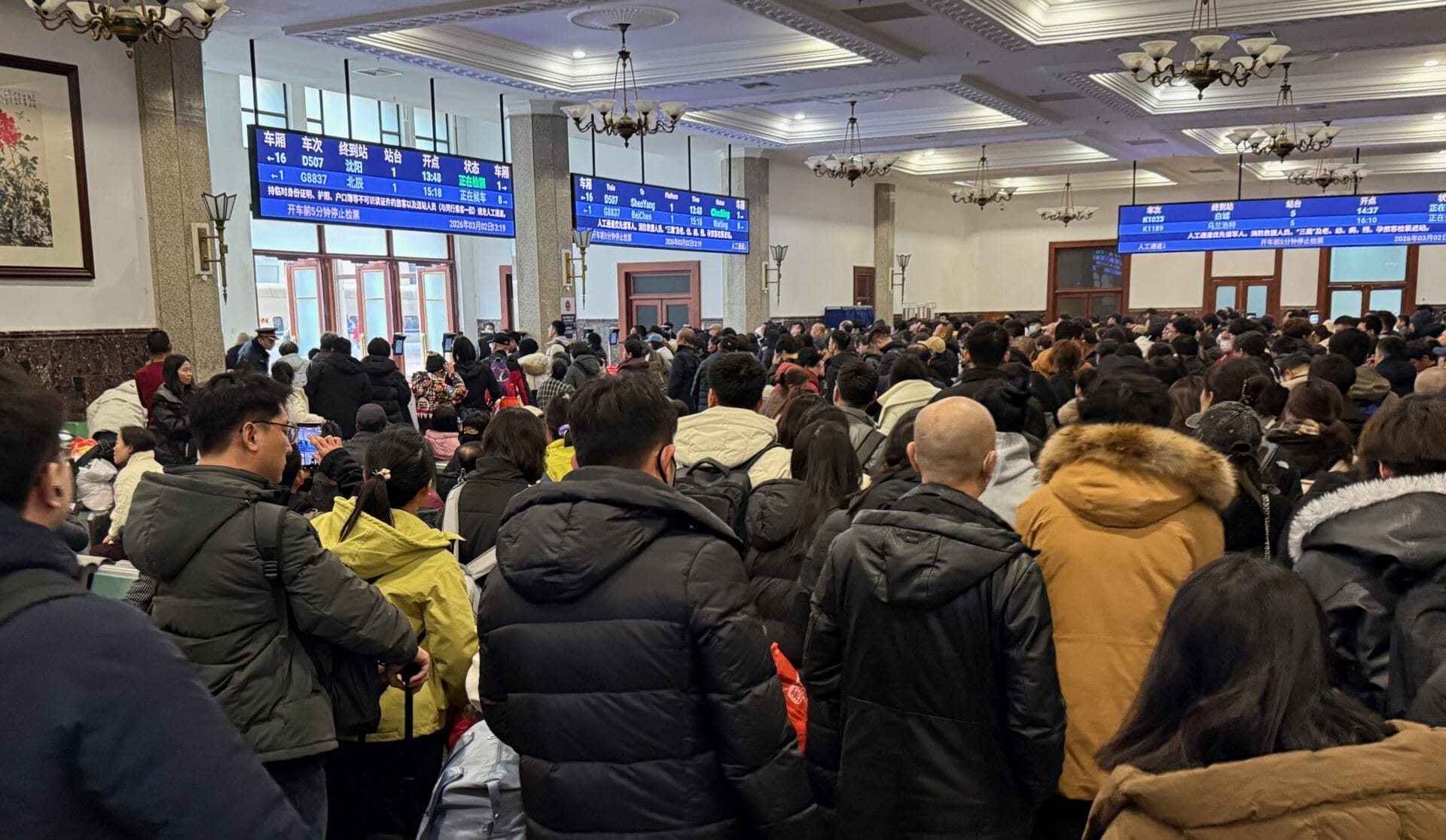 Boarding at Beijing Central Station
It is new stations, slightly more peripheral, that now handle most of the capital's railway development.
They remain my favorites, however, because they have retained their historic charm!
The first generation of high-speed train stations: the monumental ones
When the Chinese began developing high-speed trains, they decided to build new stations in developing districts of major cities. They needed to demonstrate the power of the new China with monumentally sized stations that impress travelers.
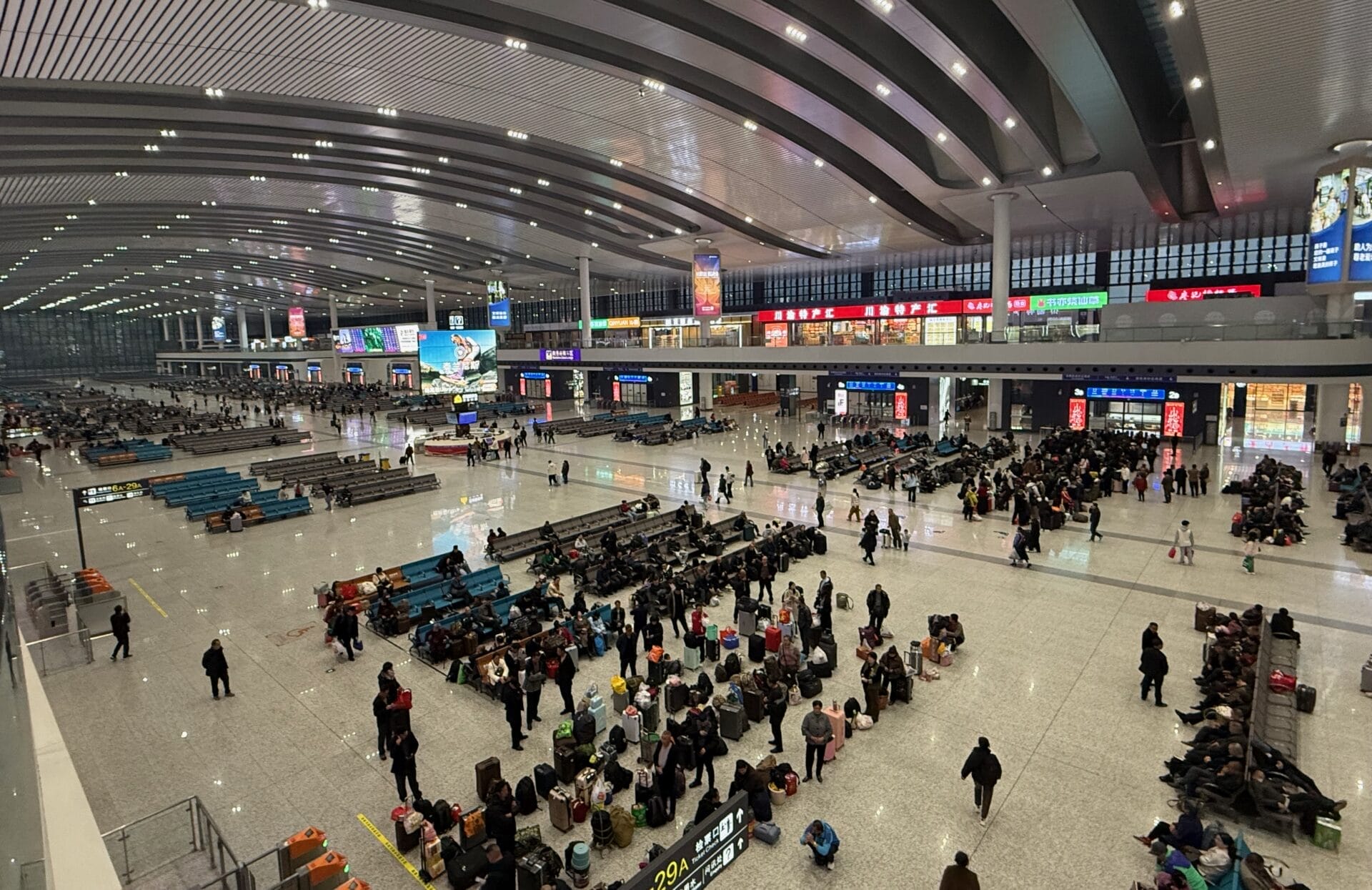 Chongqing Xi Station
The first to be built was Beijing Nan station, with its iconic circular architecture. Guangzhou Nan station and Hangzhou Dong station are also fine examples of this generation.
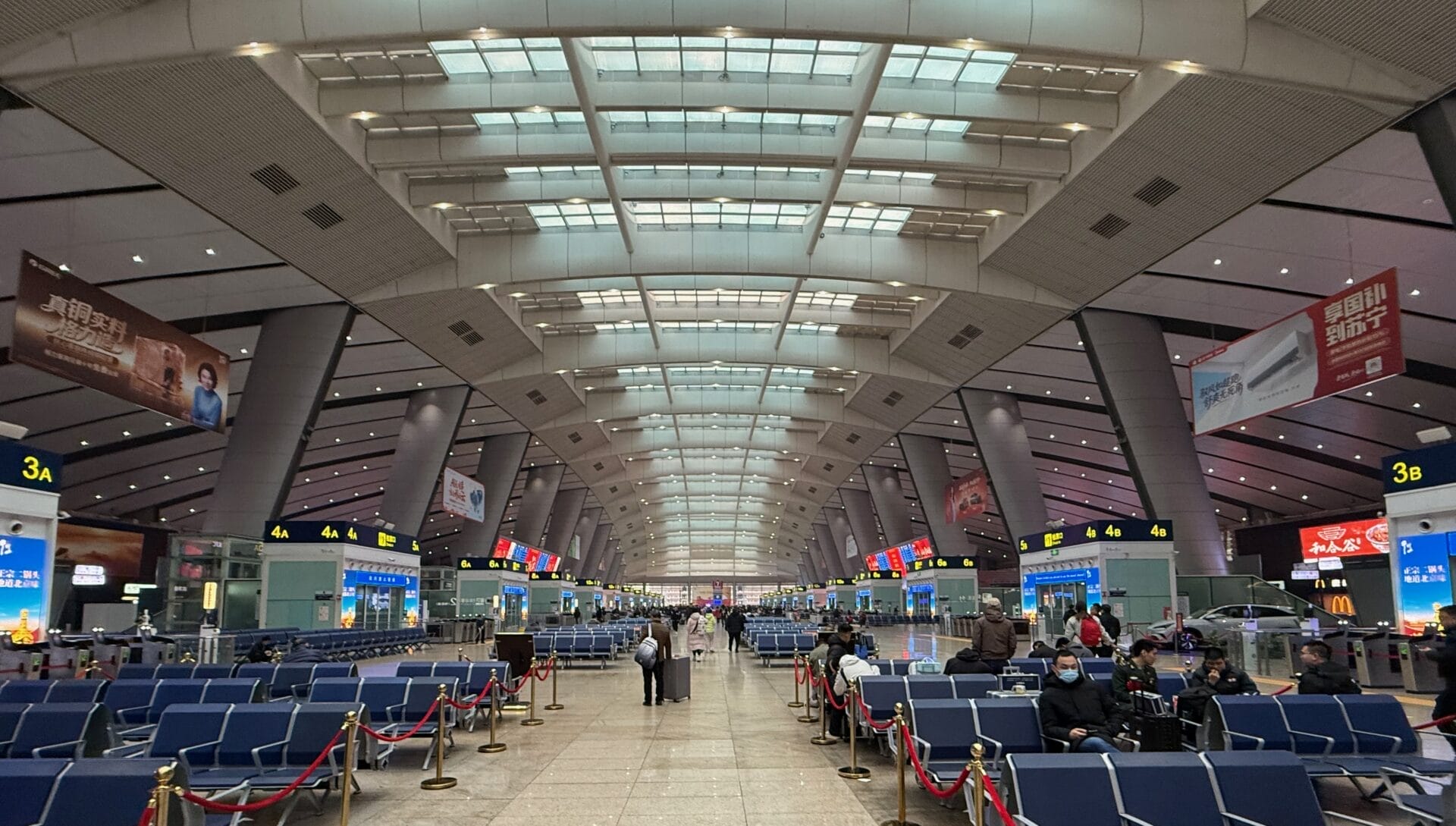 Beijing Nan Station
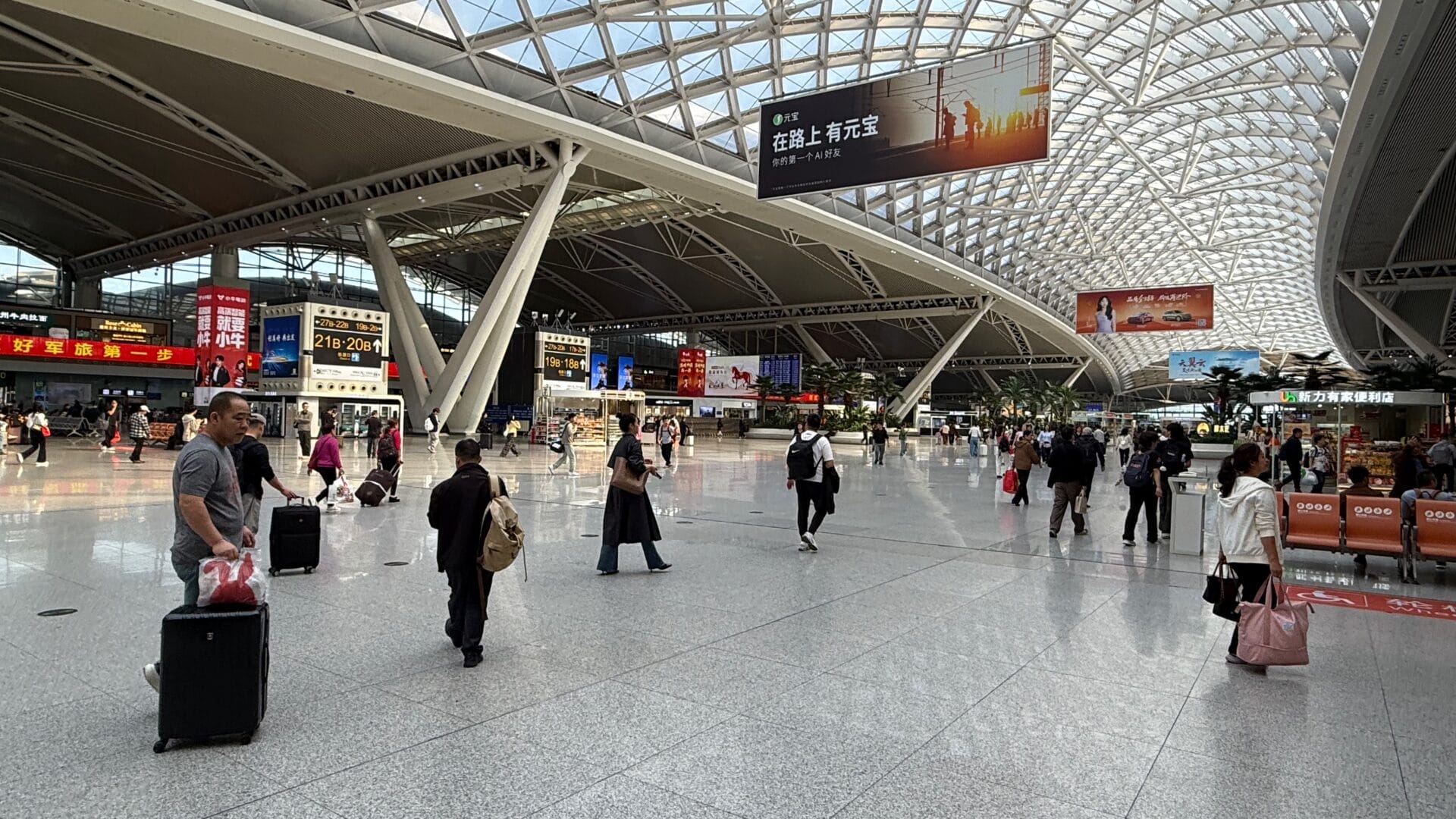 Guangzhou Nan Station
The layout of new Chinese stations is highly standardized. After passing through security checks, travelers arrive in a huge departure hall that overlooks the platforms. Boarding takes place from the gates at the last moment.
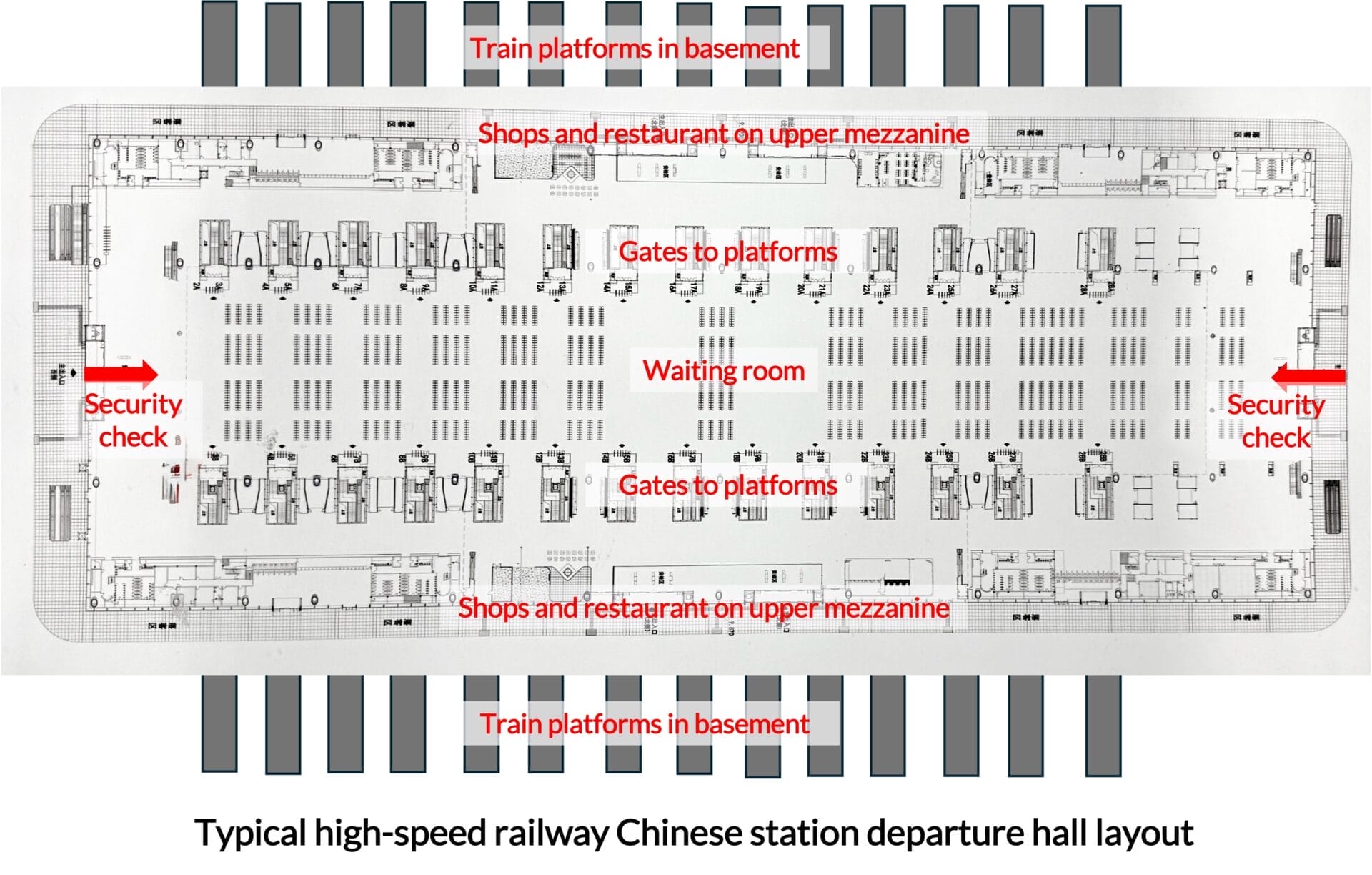
Departure and arrival passenger flows are strictly separated.
The interior volume of the station is often immense and architects have always included a spectacular element, such as the station facade at Shenzhen Bei or Harbin Xi.
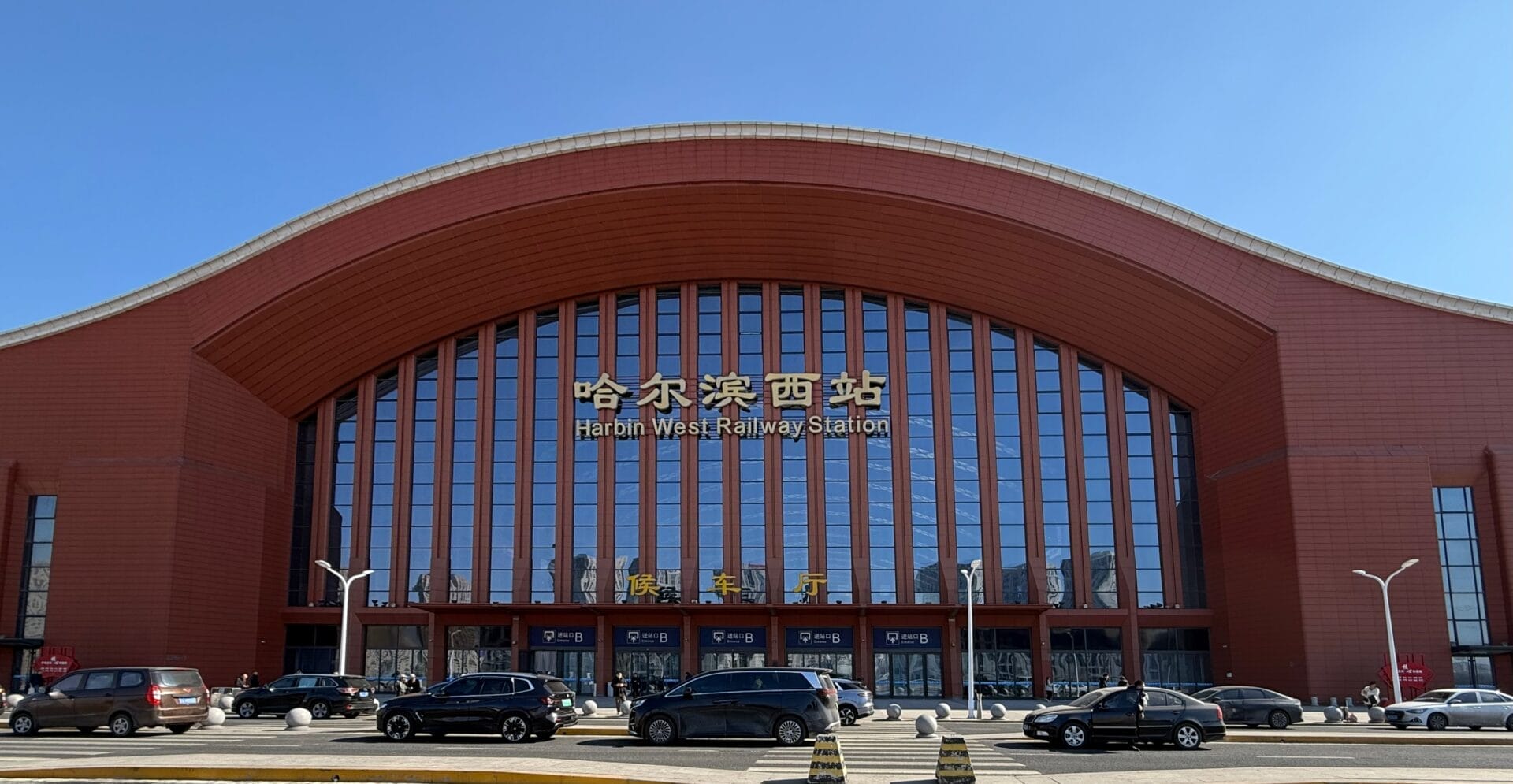 Harbin Xi Station
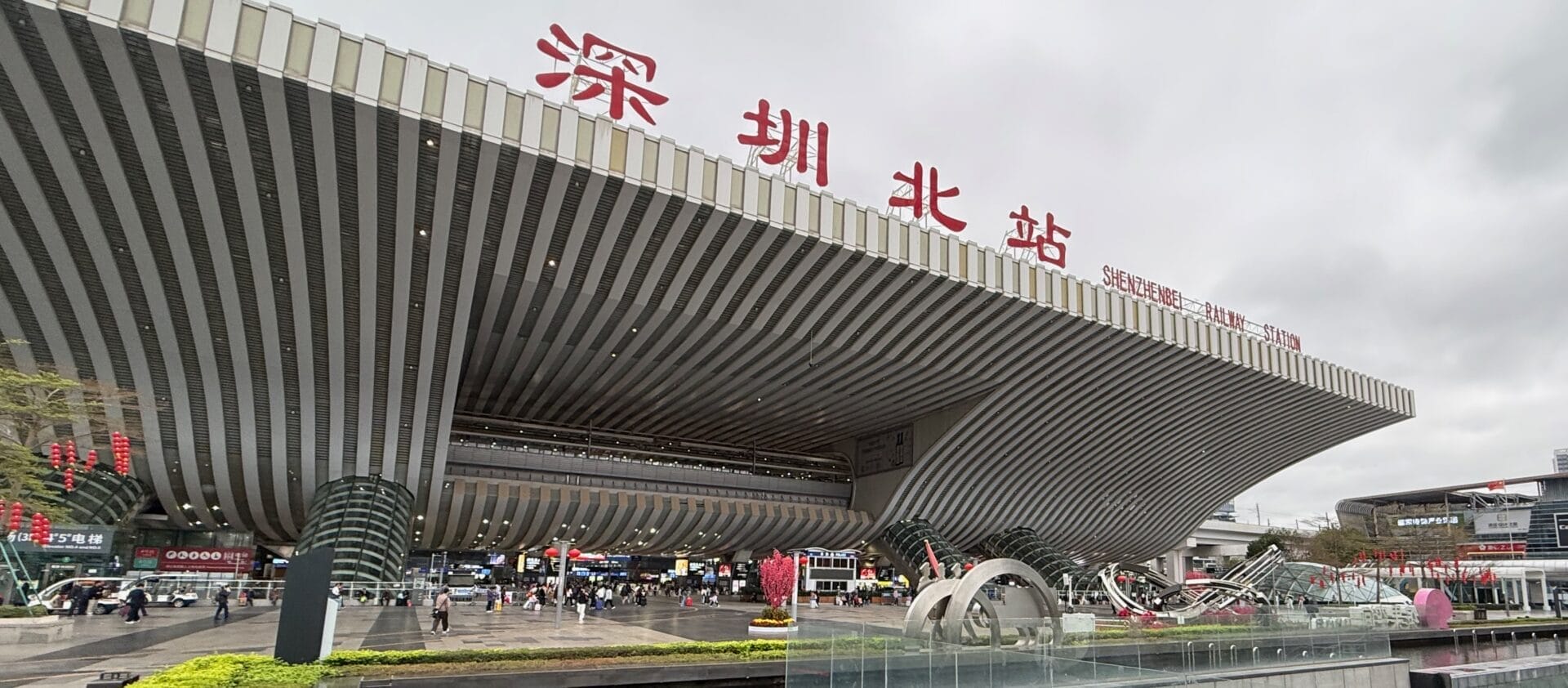 Shenzhen Bei Station
The second generation: functional stations
The stations at Chaoyang and Fengtai in Beijing are examples of the latest generation. The emphasis is primarily on station functionality and its integration into the city and its urban transport network. Thus, Fengtai is built on multiple levels with several halls.
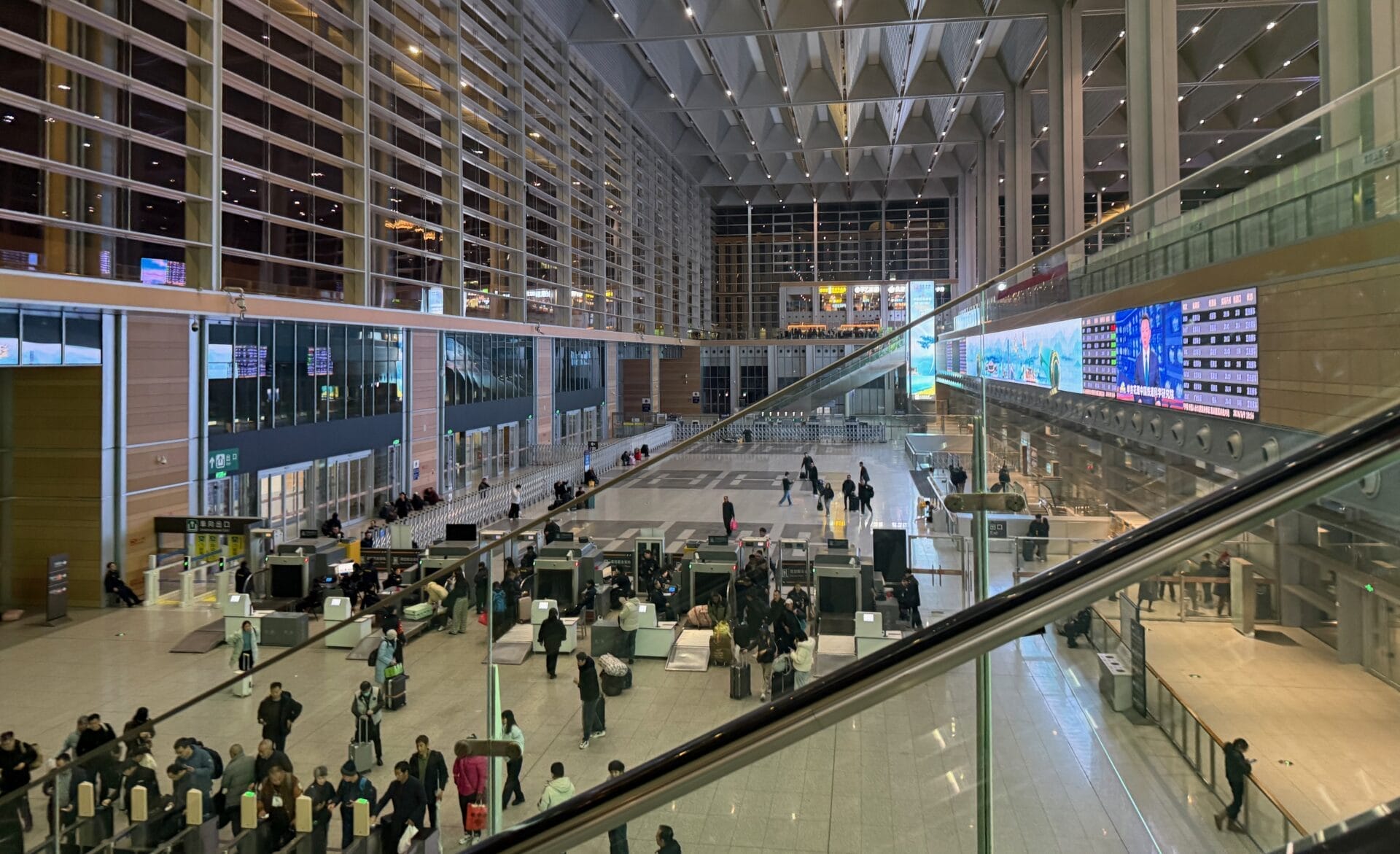 Beijing Fengtai Station
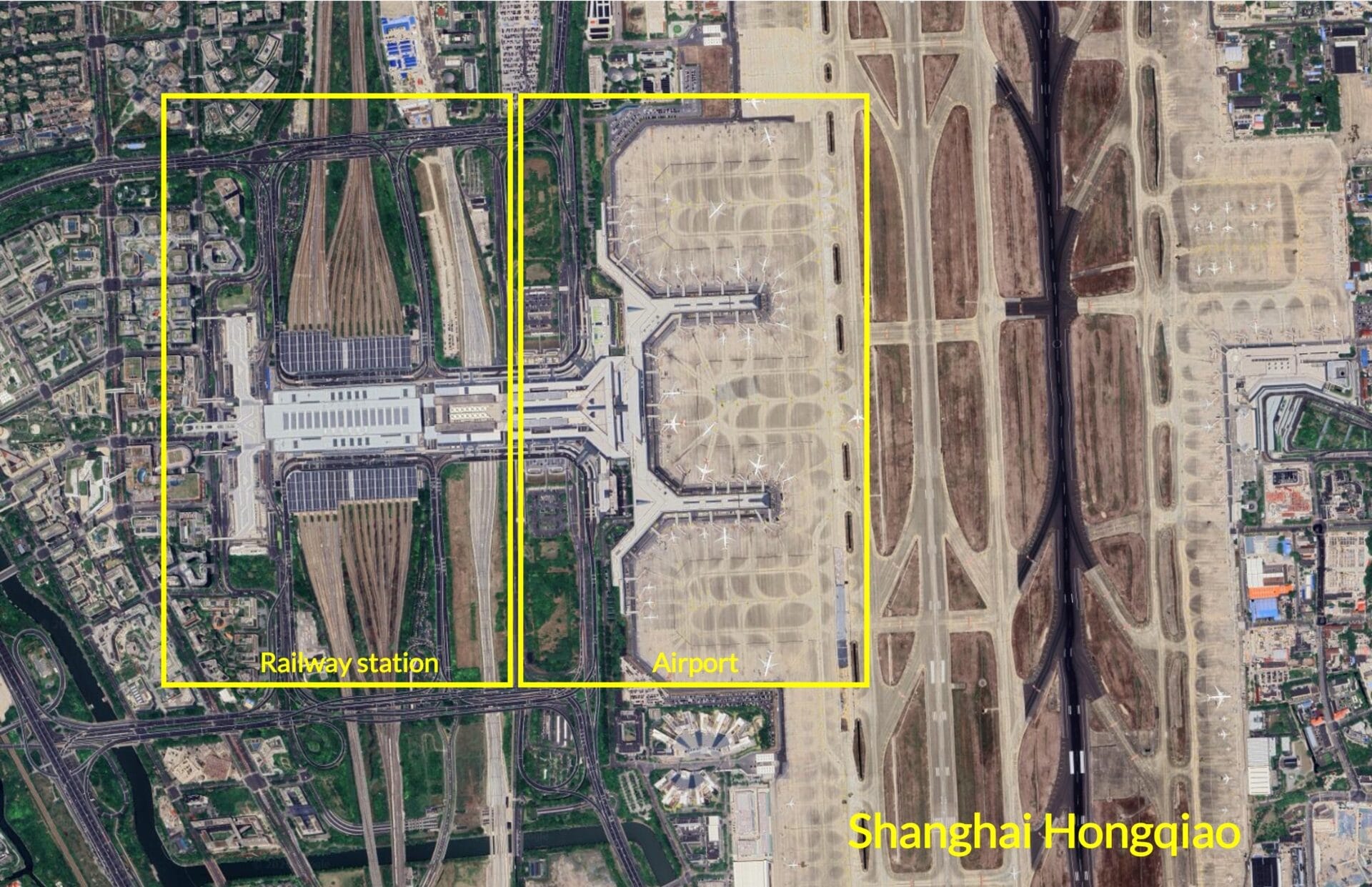
Even though it is not the most recent, I would classify Shanghai Hongqiao in the functional stations category. Indeed, it combines the largest high-speed train station and the city's second airport. Hongqiao thus constitutes a unique transport hub in its scale.
Assessment: on the one hand, undeniable success
Coming from a pioneering country in high-speed rail, France, I didn't expect to be impressed, and yet I was.
Remarkable punctuality
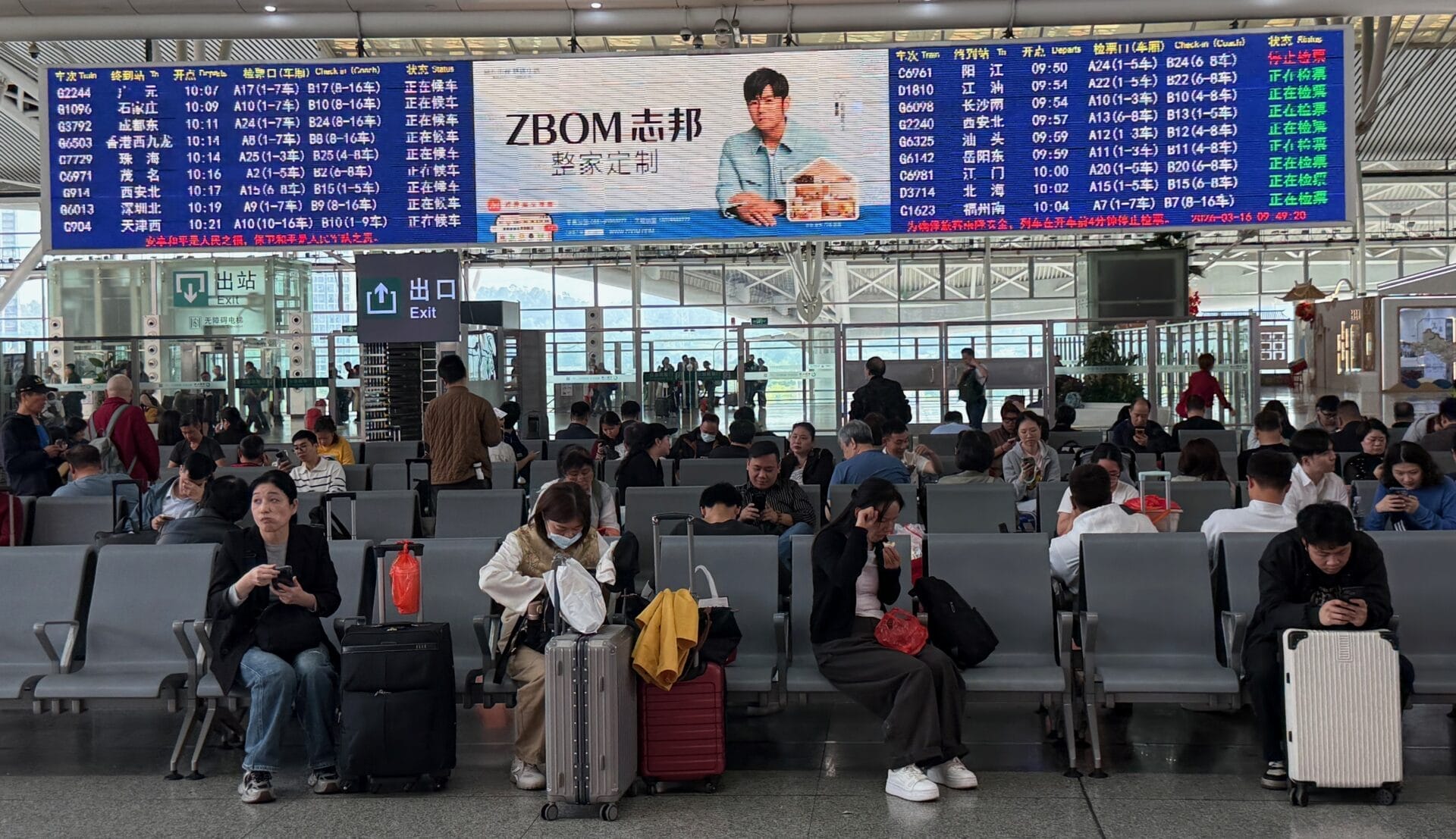
According to the Chinese, the punctuality of their high-speed trains would be 95% to 98% within five minutes of delay. Of course, these figures should be taken with caution, but that was my experience.
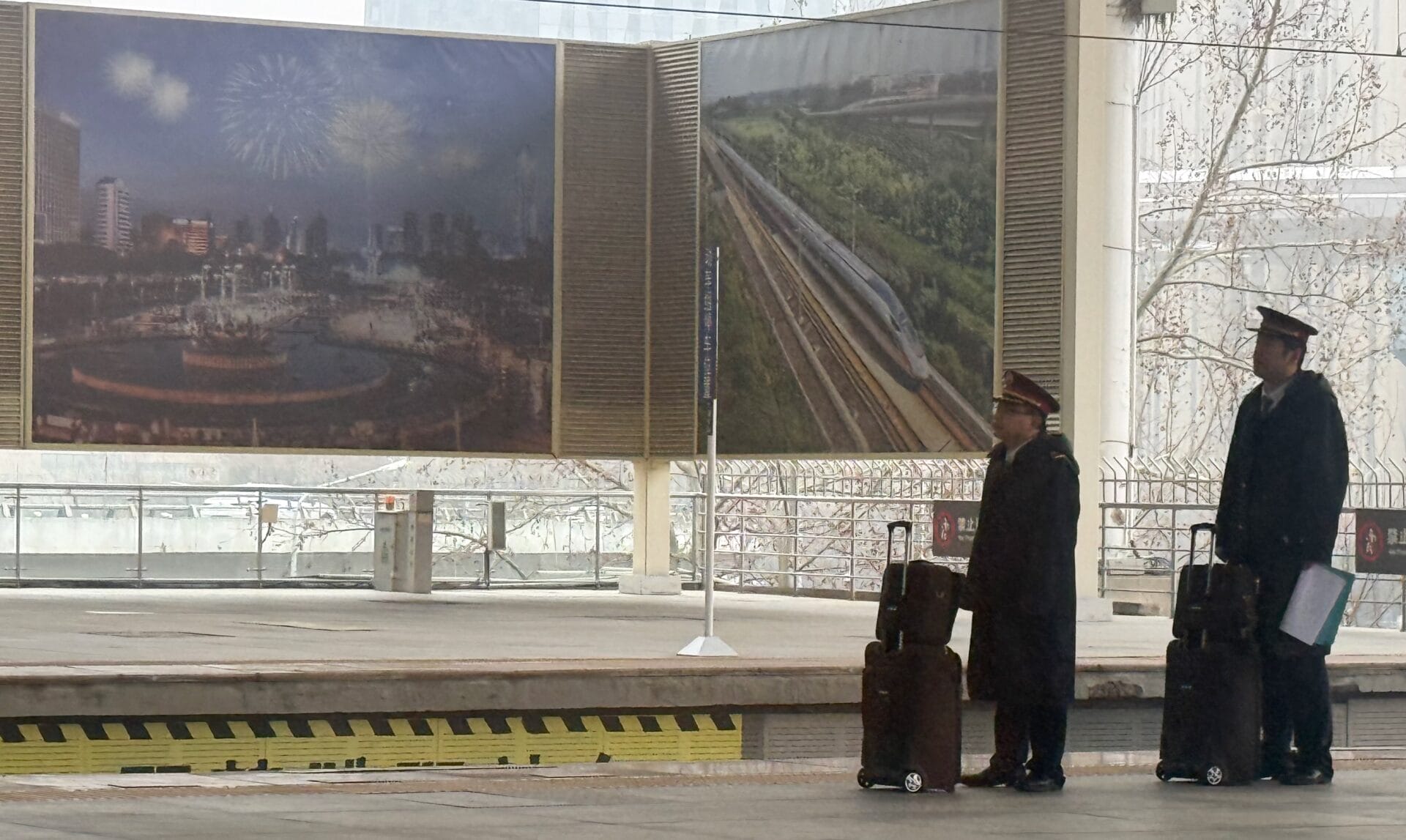
In three weeks of travel in China, I took five daytime high-speed trains, two overnight trains, and one conventional train for a 24-hour journey. I covered nearly 11,000 km! All my trains departed and arrived perfectly on time. This was the case for all trains on the display boards. This performance alone is already remarkable.
The key to success lies in operation on a brand-new ultra-dedicated network, almost military operational discipline, and also the impossibility for staff to strike.
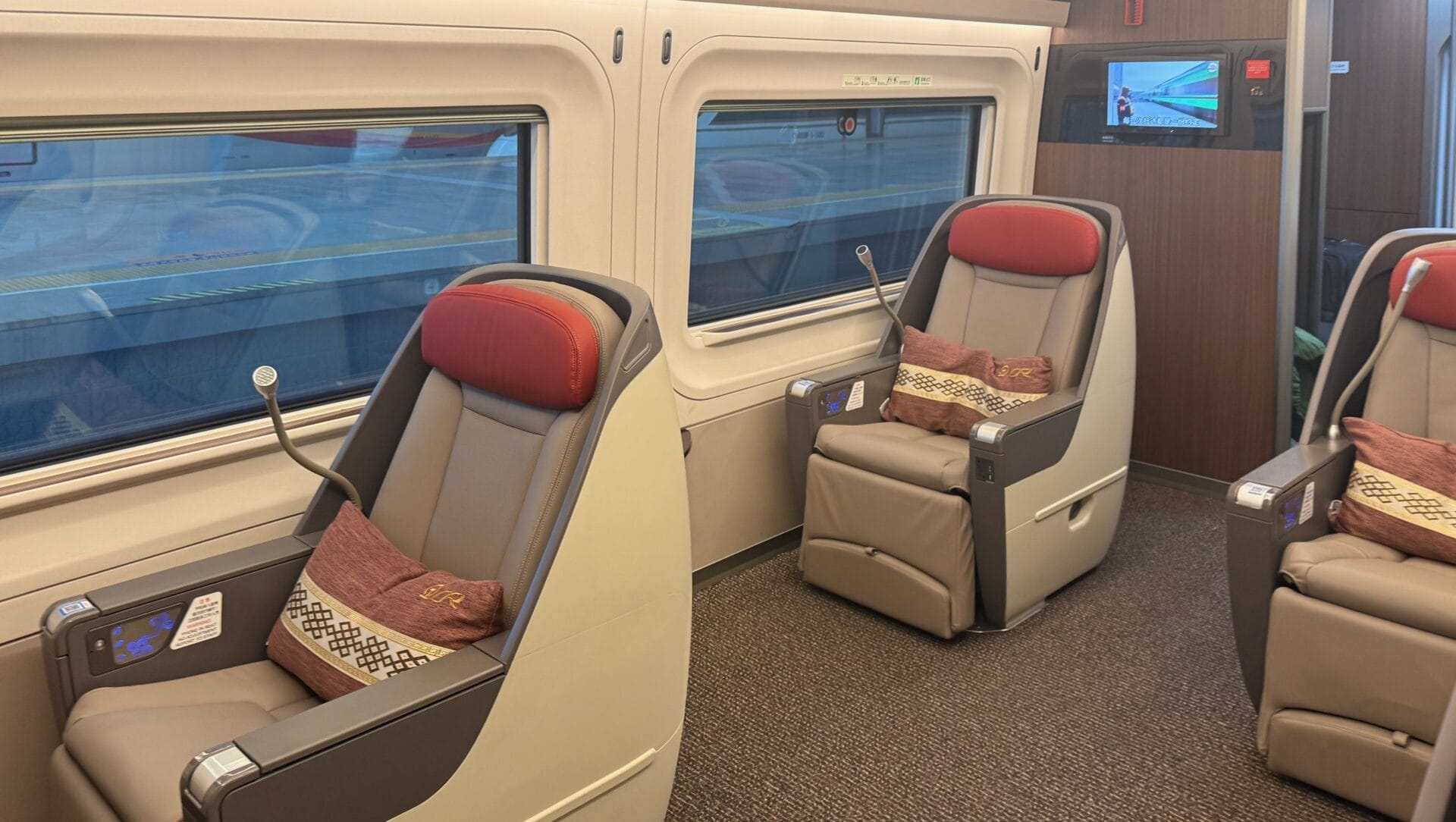
Very comfortable, quiet, and clean trains
I was also impressed by the stability of the trains. I really felt like I was gliding on the railway tracks. The soundproofing of the trains was also excellent, with one caveat when passing through tunnels where the noise increases by ten decibels.
The trains are also very clean, even at the end of a several-hour journey, thanks to a cleaning crew always present.
Huge, functional stations, but lacking charm
The new stations are huge, sometimes a bit impersonal, but they are highly efficient at managing enormous passenger flows. They are also very well connected to the urban transport network, although often in peripheral districts.
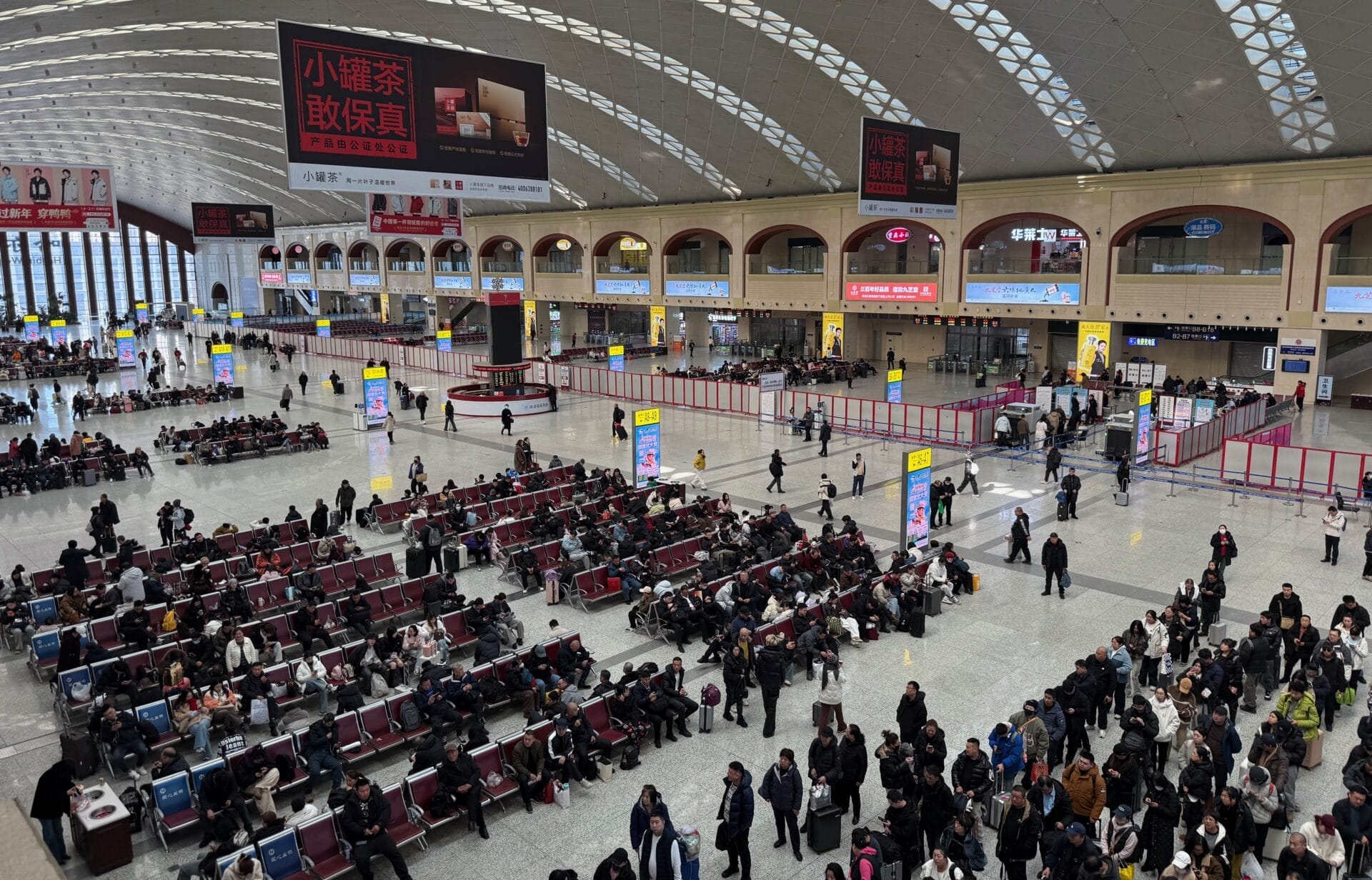 Harbin Xi Station
Business class: a real innovation in railway customer experience
Overall, the business class on Chinese trains is a success that could be a source of inspiration for attracting high-end air travel customers to very long European routes.
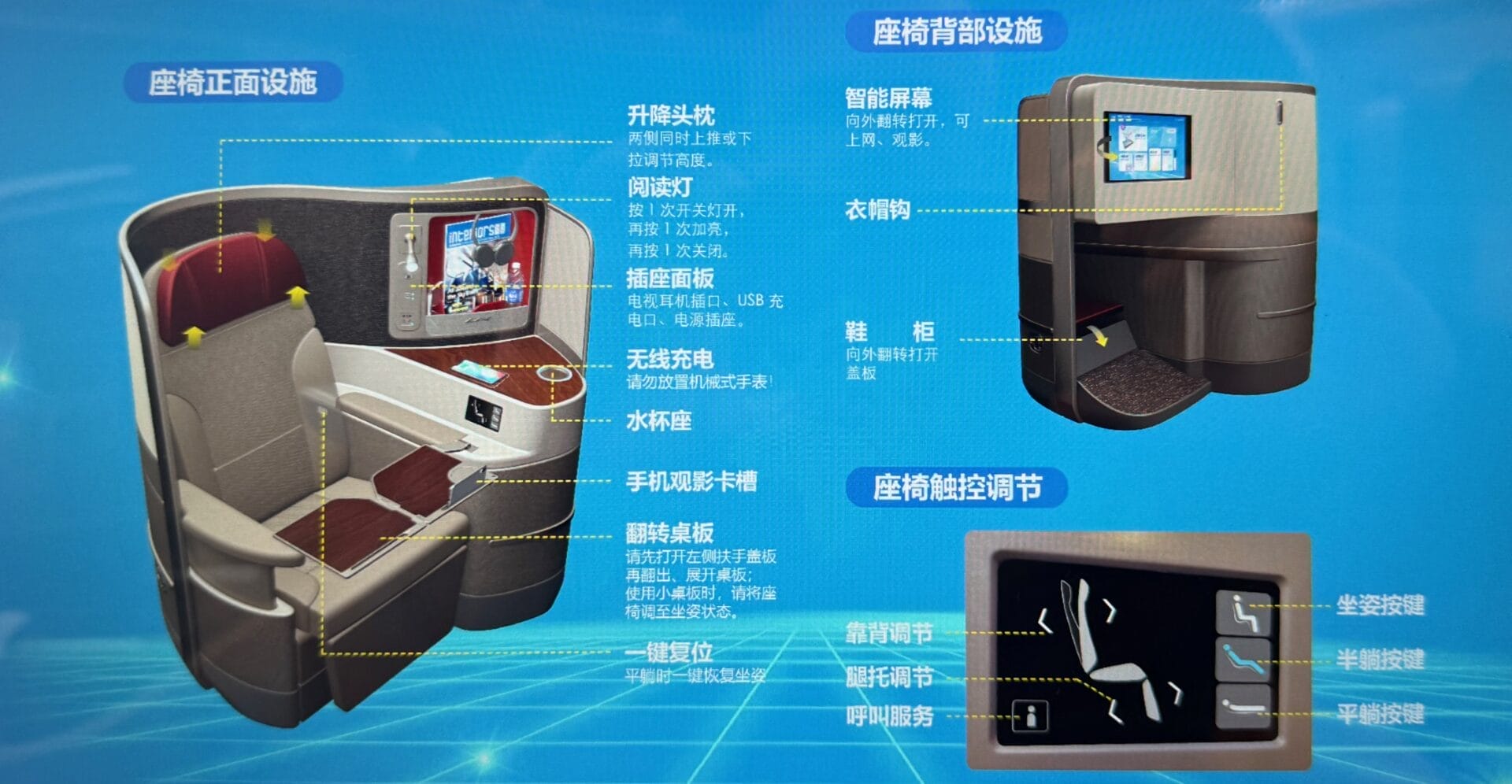 Excerpt from Business seat presentation video
Remarkable implementation of national plans
Having succeeded in creating a new network and modernizing the old one in less than twenty years is quite an achievement that deserves recognition. Chinese-style planning is effective.
For the coming years, the heart of the plan remains the completion of the national high-speed network, namely:
- Complete the high-speed network grid "8 × 8 corridors" to reach 60,000 km with the goal of systematically connecting all cities with over 500,000 inhabitants
- Make rail the dominant mode for distances up to 1,000 km, in direct competition with air travel.
On the other hand: insufficiently controlled costs
Creating such a network in so little time does not come without trade-offs. In a country as opaque as China, it remains difficult to precisely measure all the effects. One thing is nevertheless widely acknowledged: the cost of such development is considerable and far exceeds just infrastructure and rolling stock investments.
Economic cost
The network's development responds to both economic logic and regional development objectives. While certain major lines—such as the Beijing–Shanghai axis—show high ridership rates, many secondary lines appear significantly less profitable.
During my trips between Beijing–Hangzhou and Beijing–Chongqing, the trains were, for example, far from full.
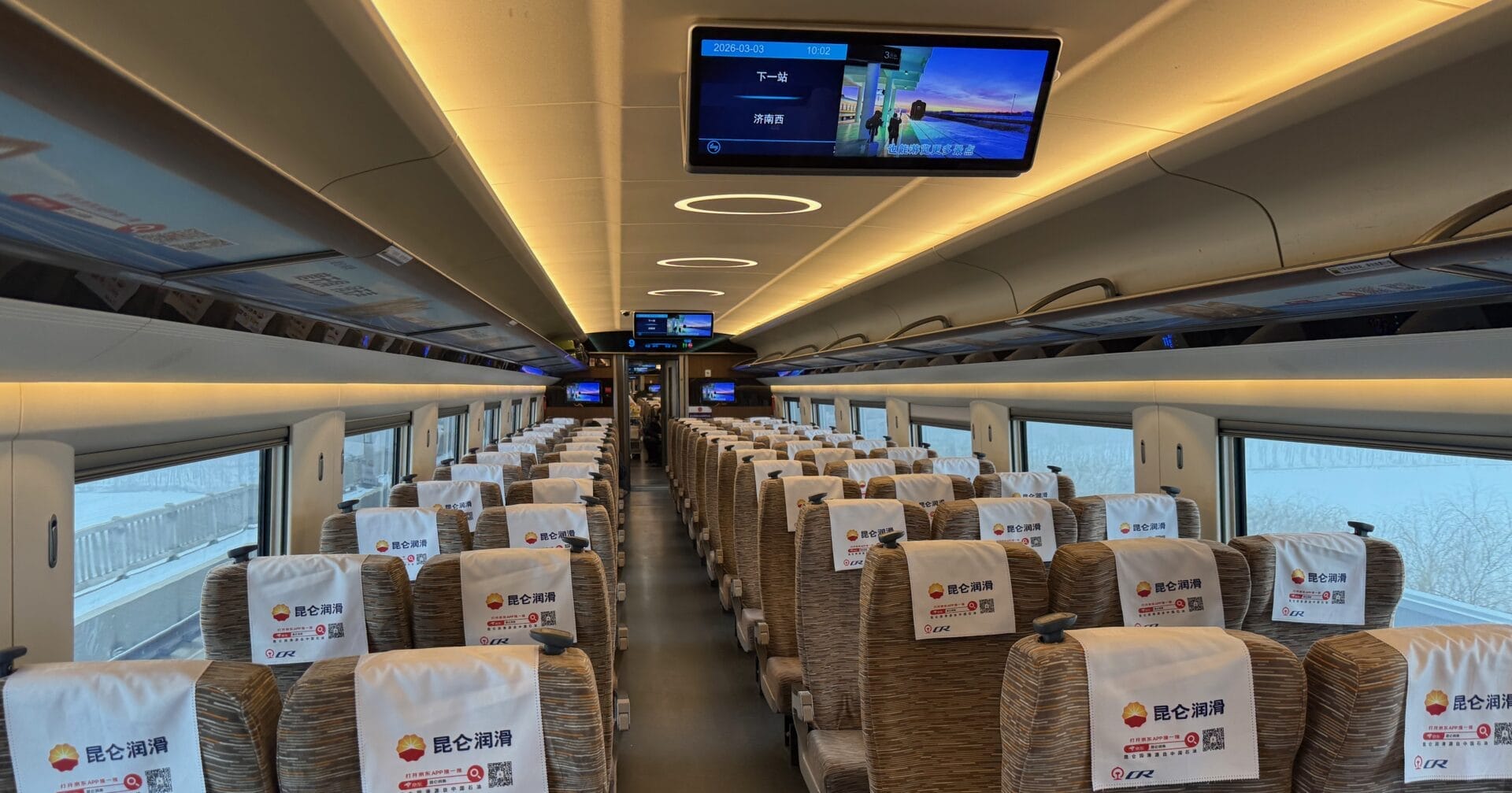 Train G43 Beijing Hangzhou March 3, 2026
In this context, China Railway's debt reaches very high levels, regularly pointed out by analysts and considered excessive.
Environmental cost
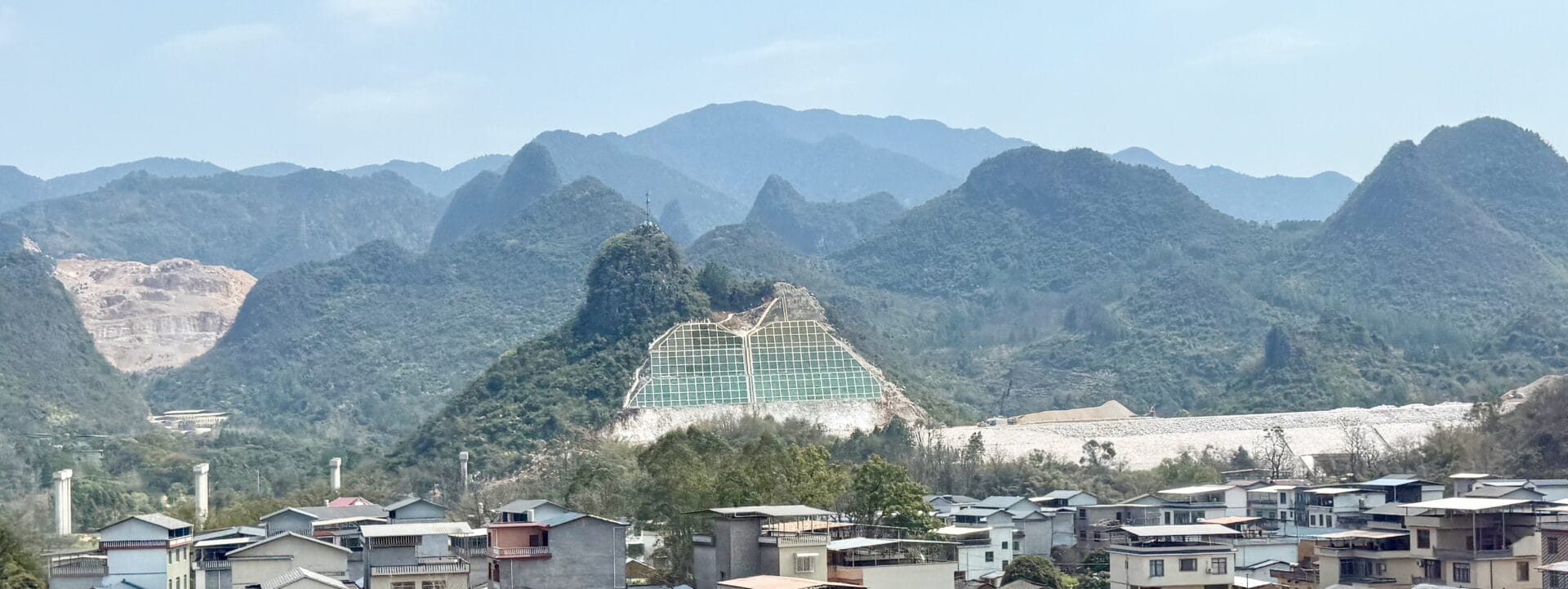
Building such a dense network relies on heavy construction work (viaducts, tunnels, engineering structures) that has a significant impact on the territories crossed.
Environmental impact studies exist, but their level of transparency and actual scope are debated.
In use, trains remain more virtuous than planes or cars, but the overall assessment depends heavily on line ridership levels.
Social cost
The network's development involves numerous expropriations. In a context where information is limited, relocation and compensation conditions remain difficult to assess precisely, but they are regularly questioned.
Cost for travelers
High-speed trains, faster and more comfortable, are also more expensive than conventional trains. They are therefore not equally accessible to the entire population, which accentuates a form of segmentation between "fast" and "affordable" mobility.
Maintenance cost
Today the infrastructure is new, but over time, it will need to be maintained.
The cost will match the gigantic investments, except that in twenty or thirty years, China with its low birth rate will have become old with a declining population.
Political cost
Finally, this development takes place within a highly centralized governance system. The lack of transparency and the complexity of decision-making circuits fuel recurring questions about the trade-offs made, as well as the risks of poor resource allocation.
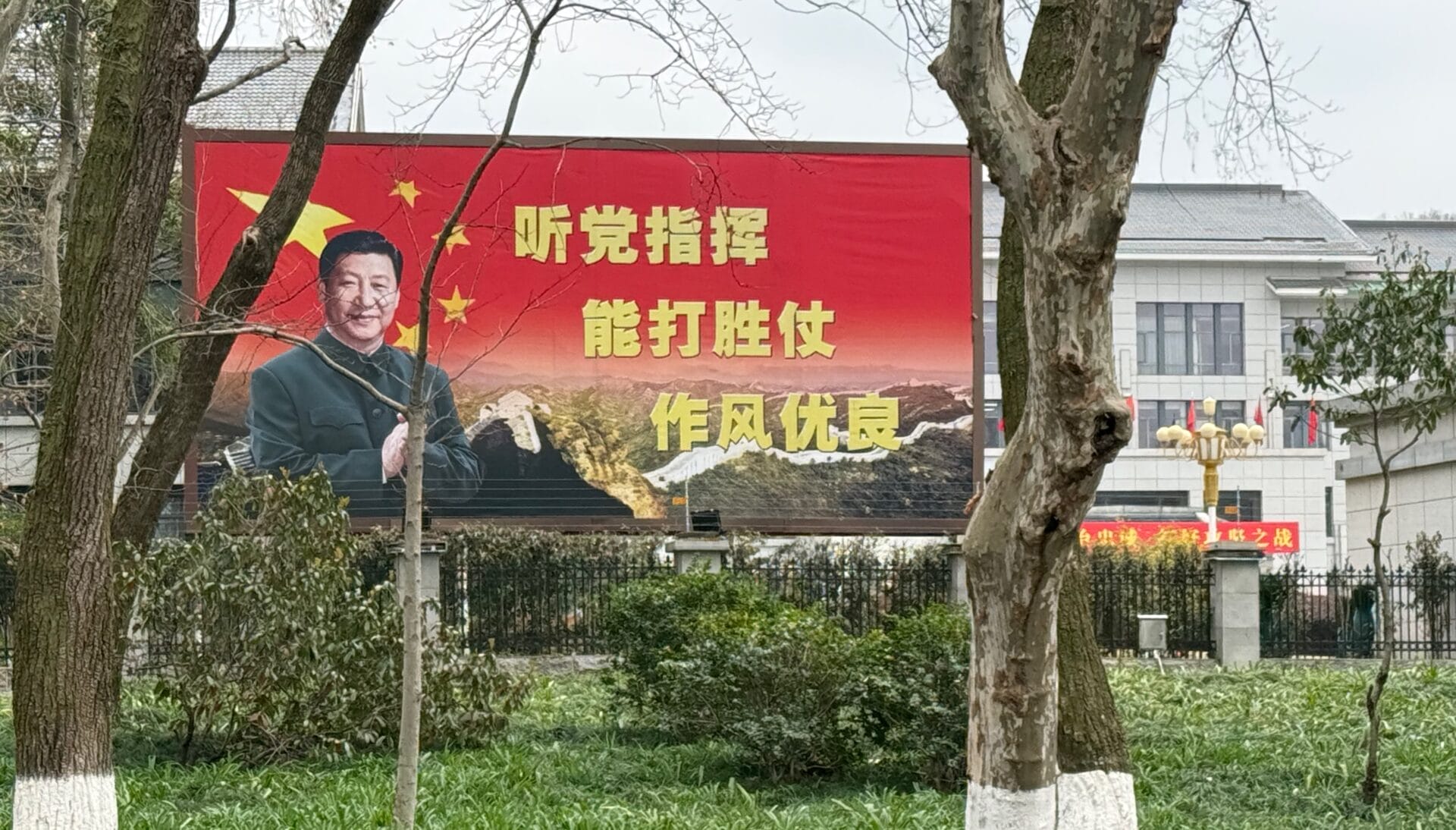
- 听党指挥: "Obey the Party's directives."
- 能打胜仗: "Be capable of winning victories."
- 作风优良: "Have excellent discipline."
Four lessons for Europe
Europe has four lessons to learn from the Chinese railway model.
Don't underestimate the Chinese
The first lesson is that Europeans and Japanese largely underestimated the Chinese in their ability to assimilate high-speed rail technology.
In the 2000s, the desire to win large contracts and make short-term profits prevailed over protecting Europe's long-term strategic interests. Today, Europe is paying the price: the Chinese market is completely closed and China is a fierce competitor for winning contracts abroad, such as:
- In Indonesia: Jakarta-Bandung, inaugurated in late 2023.
- In Thailand: the future Bangkok-Nakhon Ratchasima line and, in the longer term, Kunming.
- And even in the heart of Europe with the Budapest–Belgrade line under construction.
Have a long-term vision
The second lesson is that the Chinese have been able to have a thirty-year long-term vision with the will to connect all cities with over 500,000 inhabitants to the high-speed network articulated around the famous 8 × 8 plan.
Today, it is clear that the European Union faces fragmented power among states that each have their own transport objectives and policies and railway systems that are far from harmonized.
Prioritize European interests
In its contracts with foreign companies, China has been able to protect its interests with technology transfer and domestic production clauses.
Europe should draw inspiration from this to better regulate access to its market and protect its industrial players.
Question whether competition is necessary in railways
The fourth lesson is that China shows that it is possible to have an efficient railway system without competition.
An impressive model, but difficult to replicate
China's dominance in high-speed rail does not stem from a single factor, but from a coherent combination of strategic choices.
Technology transfer, standardization, centralized planning, and large-scale execution capacity have enabled the construction, in less than two decades, of an integrated and efficient system.
The results are impressive, both in terms of territorial coverage and operational quality. But this model also relies on specific conditions—political, economic, and social—that make it difficult to replicate as is elsewhere.
Rather than making it a model to reproduce, it is more relevant to see it as a source of lessons: on execution speed, coherence of industrial choices, and the role of rail in regional development.
My travel experience on Chinese trains
To concretely measure the effects, nothing replaces the travel experience, whether aboard high-speed trains or night trains, which I invite you to read about in the following articles:
- High-speed train travel in China: my take after 11,000 km
- Night trains in China: three generations between tradition and innovation
Some additional sources
In addition to my trip to China in March 2026, I did a fair amount of internet research and I recommend these sites:
- World Bank Report: an economic analysis of the Chinese railway model conducted in 2018.
- China-emu.cn: a Chinese-language site that provides extensive technical information on trains.
- China-railway.com.cn: the official website of the national railway company.
- China train map: a very detailed site for viewing traffic by train number or station.
- Guangzhou Baiyun Railway Station: very interesting article on this new station.

0 Comments